Clear Roofing Panels: 2026 Cost Estimator & Quantity Guide
Calculate exact material needs and 2026 costs for clear roofing panels. Includes polycarbonate vs. fiberglass pricing, overlap math, and fastener counts.
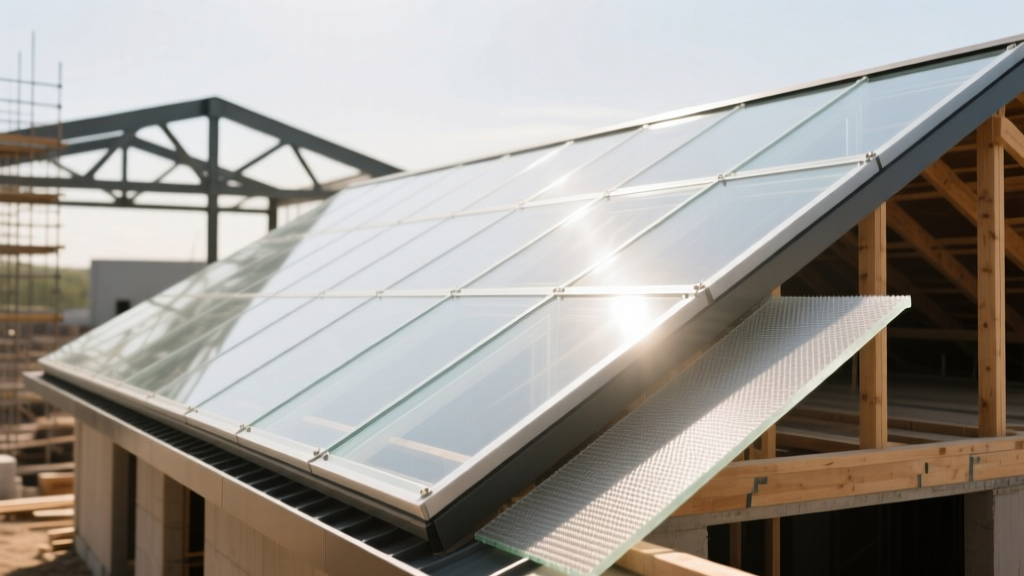
The True Cost of Clear Roofing Panels in 2026
Estimating the cost of clear roofing panels requires moving beyond the basic price-per-sheet metric. Transparent and translucent roofing systems—primarily polycarbonate, fiberglass, and PVC—have distinct structural profiles, lifespans, and hidden accessory costs that drastically alter the final budget. In 2026, supply chain stabilization has normalized prices, but the shift toward co-extruded UV-resistant manufacturing has increased the baseline cost of premium multiwall polycarbonate.
According to manufacturing specifications from Palram Americas, modern polycarbonate panels feature a microscopically thin UV-blocking layer co-extruded into the top surface, which prevents yellowing and brittle failure. This manufacturing upgrade is reflected in current pricing tiers.
- Multiwall Polycarbonate (8mm - 16mm): $3.50 - $5.80 / sq. ft.
- Corrugated Polycarbonate (Single Wall): $2.20 - $3.80 / sq. ft.
- Corrugated Fiberglass (FRP): $1.60 - $2.90 / sq. ft.
- Corrugated PVC: $1.80 - $3.10 / sq. ft.
While fiberglass offers the lowest upfront cost, the American Composites Manufacturers Association (ACMA) notes that standard polyester-based fiberglass panels will eventually experience 'fiber bloom' (where UV exposure degrades the surface resin, exposing glass fibers) within 7 to 12 years unless treated with specialized UV-inhibited gel coats. For long-term patios, sunrooms, or pergolas, multiwall polycarbonate remains the highest-ROI choice despite the premium initial cost.
The Quantity Calculator: Factoring in Overlaps and Pitch
The most common estimation error is calculating panel quantity based on nominal width rather than effective coverage width. Clear corrugated panels must overlap to prevent wind-driven rain infiltration. Furthermore, the International Code Council (ICC) mandates specific end-lap minimums based on roof pitch.
Step-by-Step Quantity Formula
- Identify Nominal vs. Effective Width: A standard corrugated clear panel has a nominal width of 26 inches. However, it requires a side lap of 1.5 corrugations (approximately 2.5 inches). Therefore, the effective coverage width is 23.5 inches.
- Calculate Panels Across (Width): Divide the total roof width in inches by 23.5. Always round up to the next whole number. (e.g., A 120-inch wide roof requires 120 / 23.5 = 5.1, meaning you need 6 panels across).
- Calculate Panels Down (Length): Determine your roof pitch. For a 3:12 pitch or steeper, panels require a 4-inch end lap. For a 2:12 to 3:12 pitch, a 6-inch end lap is required. If your roof run is 144 inches (12 feet) and you are using 8-foot (96-inch) panels, two panels will yield 192 inches. Minus a 6-inch overlap, your coverage is 186 inches, which easily covers the 144-inch run.
- Add 10% for Waste and Cuts: Clear panels are notoriously difficult to cut cleanly without specialized tools (carbide-tipped hollow-tooth blades are required to prevent micro-cracking). Always add a 10% waste factor to your final panel count.
| Panel Profile | Nominal Width | Side Lap Required | Effective Coverage Width | Panels per 100 sq. ft. (12' run) |
|---|---|---|---|---|
| Standard Corrugated (72/25) | 26 inches | 2.5 inches (1.5 ribs) | 23.5 inches | 43 panels (8' length) |
| Greca / Roma Tile Profile | 36 inches | 4.0 inches (1 rib) | 32.0 inches | 32 panels (8' length) |
| Multiwall (Flat/Box Rib) | 48 inches | 1.5 inches (H-profile) | 46.5 inches | 22 panels (8' length) |
Thermal Expansion Allowances in Quantity Math
Polycarbonate expands and contracts at a rate of approximately 1/16 inch per linear foot for every 40°F temperature swing. If you are installing clear polycarbonate panels in a region with high seasonal temperature variance, you must account for thermal expansion gaps in your layout.
Fasteners, Closures, and Flashing Cost Estimator
Clear roofing panels require specialized hardware. Standard zinc-plated roofing screws will cause galvanic corrosion when in contact with polycarbonate, and rigid metal washers will crack the panels during thermal expansion. You must budget for polycarbonate-compatible fasteners featuring 100% EPDM (ethylene propylene diene monomer) sealing washers and stainless steel or heavily coated carbon steel shanks.
Accessory Pricing Matrix (2026)
| Accessory Component | Unit Cost | Estimated Quantity per 100 sq. ft. | Total Accessory Cost |
|---|---|---|---|
| #12 x 2" SS Screws w/ EPDM | $0.28 / ea | 45 fasteners | $12.60 |
| Foam Closure Strips (Eave/Ridge) | $1.15 / lin. ft. | 25 linear feet | $28.75 |
| Polycarbonate H-Connectors (Multiwall) | $14.50 / 12' pc | 4 connectors | $58.00 |
| Clear Polycarbonate Ridge Cap | $6.20 / lin. ft. | 10 linear feet | $62.00 |
| Butyl Tape (End Lap Sealing) | $18.00 / roll | 1 roll | $18.00 |
Note: Multiwall polycarbonate requires aluminum or polycarbonate H-profiles and U-profiles to join panels and seal the open flutes at the bottom edge, preventing moisture and insect ingress. Corrugated single-wall panels rely on overlaps and foam closures instead.
Framing and Purlin Spacing Requirements
Your substructure dictates both material choices and overall project costs. Clear panels are not structural; they rely entirely on the purlins (horizontal framing members) beneath them.
- Corrugated Single-Wall Polycarbonate & Fiberglass: Require purlin spacing of 24 inches on-center (O.C.) for standard snow loads, or 16 inches O.C. in high-wind/heavy-snow regions.
- 8mm Multiwall Polycarbonate: Maximum 24 inches O.C. purlin spacing.
- 10mm to 16mm Multiwall Polycarbonate: Can span up to 36 inches or 48 inches O.C., respectively, which can reduce your lumber or aluminum framing costs by up to 20%.
When estimating framing lumber, use pressure-treated southern yellow pine or cedar for wood structures to prevent rot from condensation, or opt for 1/8-inch thick structural aluminum box tubing for a maintenance-free, rot-proof pergola base.
DIY vs. Professional Installation Labor Costs
Professional installation of clear roofing panels typically ranges from $4.50 to $8.00 per square foot in labor alone, depending on the complexity of the roof pitch, the height of the structure, and the need for custom flashing integration with existing shingles.
For a standard 200-square-foot pergola roof, professional labor will add $900 to $1,600 to your total budget. DIY installation is highly feasible for single-story pergolas and patio covers, provided you have a cordless drill with a clutch-adjustable depth setting (to prevent over-driving and crushing the EPDM washers) and a carbide-tipped saw blade for trimming.
Common Estimation & Installation Mistakes to Avoid
- Ignoring the UV-Coated Side: Multiwall and premium corrugated polycarbonate panels have a UV-blocking layer on only one side. Installing the panel upside down will result in severe yellowing and embrittlement within 2 to 3 years. The UV-protected side is always covered by a printed plastic film, which must be left on until the exact moment of installation to prevent scratching.
- Skipping Butyl Tape on End Laps: Wind-driven rain will easily bypass a simple 4-inch overlap on low-pitch roofs. Applying a 1/4-inch bead of butyl sealant tape between the end laps before fastening is mandatory for watertight integrity.
- Over-tightening Fasteners: The EPDM washer should be compressed just enough to form a seal, but not so tight that it bulges out from under the screw head. Over-tightening creates localized stress points that will crack the clear panel during winter contraction.
- Using Opaque Silicone Sealants: Standard silicone adheres poorly to polycarbonate and blocks light. If sealant is required at flashing joints, use a 100% clear, polycarbonate-compatible polyurethane or neutral-cure silicone. Acid-cure silicones will chemically attack and cloud the plastic.