EPDM Flat Roof Materials: A Climate-Specific Selection Guide
Discover how EPDM flat roof materials perform across extreme climates. Compare UV, freeze-thaw, and coastal resistance to choose the right membrane.

The Climate Imperative for EPDM Membranes
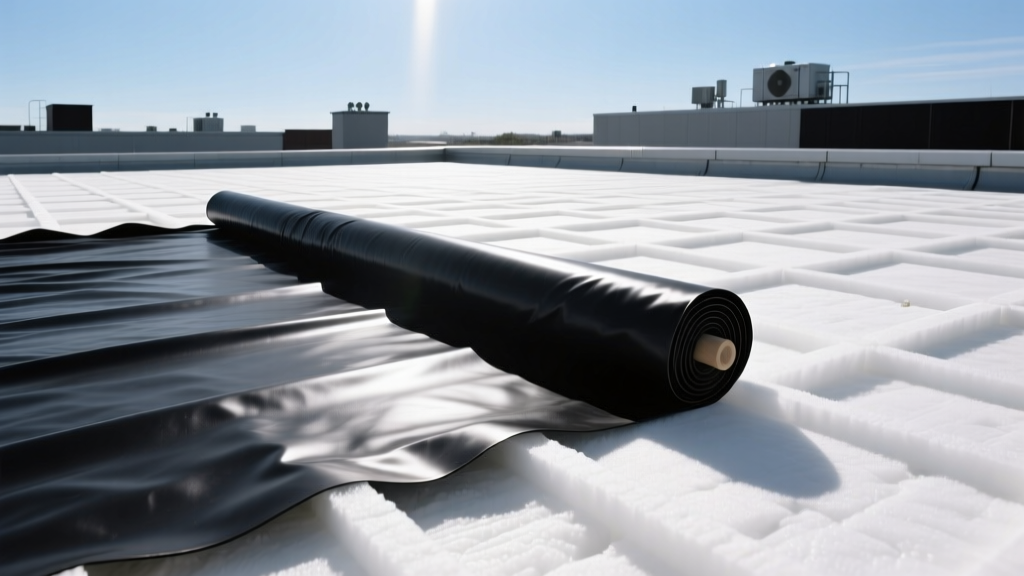
Ethylene Propylene Diene Monomer (EPDM) has dominated the low-slope commercial roofing sector for over four decades due to its exceptional ozone and UV resistance. However, treating all epdm flat roof materials as a monolithic product category is a critical specification error. The physical performance, longevity, and required installation methodology of EPDM shift dramatically depending on the local macroclimate. A 60-mil black membrane that performs flawlessly in Minnesota’s freeze-thaw cycles will trigger severe cooling penalties and premature adhesive degradation in Arizona’s Sonoran Desert.
This guide deconstructs EPDM selection through a climate-specific lens, providing exact material specifications, installation protocols, and cost data for roofing professionals and facility managers.
Climate Performance Matrix: EPDM Specifications
The table below outlines the optimal EPDM configuration based on primary climate stressors. These recommendations align with current ASTM D4637 standards and 2026 manufacturer guidelines from major suppliers like Holcim Elevate and Carlisle SynTec.
| Climate Zone | Primary Stressor | Recommended Thickness | Color / Coating | Attachment Method |
|---|---|---|---|---|
| Hot / Arid (Southwest US) | Extreme UV, Thermal Shock | 60-mil (Unreinforced) | White EPDM or Silicone Coated | Fully Adhered |
| Cold / Alpine (Northern US) | Freeze-Thaw, Hail, Snow Load | 90-mil (Reinforced) | Black (Standard) | Fully Adhered (Solvent-based) |
| Coastal / Hurricane-Prone | Wind Uplift, Salt Spray | 60-mil or 90-mil | Black or White | Mechanically Attached + Adhered Perimeter |
| Heavy Precipitation (Pacific NW) | Ponding Water, Biological Growth | 60-mil (Unreinforced) | Black (with algaecide treatment) | Ballasted or Fully Adhered |
Hot and Arid Climates: Managing Thermal Shock and UV
In regions where summer ambient temperatures routinely exceed 100°F, standard black EPDM can reach surface temperatures of 175°F. This extreme thermal expansion and contraction stresses the membrane seams and accelerates the degradation of underlying polyisocyanurate insulation.
The White EPDM vs. Coated Black EPDM Debate
While white TPO and PVC are common in hot climates, white EPDM is available (e.g., Holcim’s UltraWhite EPDM) and offers superior puncture resistance compared to standard TPO. However, white EPDM carries a 20% to 30% material premium.
Cost-Effective Alternative: Specify standard 60-mil black EPDM and apply a high-solids silicone roof coating (such as GacoFlex S2000 or Henry 887 HS) after installation. According to the EPA’s Heat Island Effect guidelines, cool roof coatings can reduce peak cooling demand by 10% to 15%. Silicone is preferred over acrylic in flat applications because it withstands ponding water indefinitely without re-emulsifying.
When installing EPDM in temperatures above 90°F, water-based contact adhesives can flash off too quickly, leading to weak seam bonds. Always specify solvent-based contact adhesives (like Carlisle Sure-Seal) for high-temperature applications, applying them in thin, uniform coats to prevent blistering.
Cold and Freeze-Thaw Climates: Combating Shrinkage and Hail
EPDM’s Achilles heel in cold climates is long-term membrane shrinkage. Unreinforced EPDM can shrink up to 5% over a 20-year lifespan. In freezing climates, this shrinkage pulls the membrane taut, causing catastrophic failure at parapet flashings and roof penetrations during ice expansion.
Why 90-Mil Reinforced EPDM is Mandatory
For climates experiencing severe hail (FM 4473 Class 3 or 4) and deep freeze-thaw cycles, 90-mil internally reinforced EPDM is the only viable specification. The internal polyester scrim prevents shrinkage and provides the tensile strength necessary to resist hail impact.
- Seam Technology: Move away from traditional liquid adhesives and EPDM tape. Specify 6-inch wide factory-applied seam tape (e.g., QuickSeam) with a primer. This creates a vulcanized, monolithic seam that will not become brittle at -20°F.
- Insulation Strategy: Use a dual-layer polyiso setup (e.g., 2.5-inch base + 1.5-inch staggered top layer) to achieve an R-value of R-25 or higher, preventing ice damming at the roof edges.
Coastal and High-Wind Zones: Uplift and Salt Resistance
EPDM rubber is inherently immune to salt spray degradation, making it chemically ideal for coastal environments. The primary threat in these zones is wind uplift. The Whole Building Design Guide (WBDG) emphasizes that edge detailing and perimeter securement are the most common points of failure in high-wind events.
Engineered Attachment for Wind Uplift
A purely ballasted system is strictly prohibited in hurricane-prone coastal zones due to the risk of ballast becoming airborne projectiles. Instead, utilize a hybrid attachment method:
- Field of Roof: Mechanically attach the membrane using heavy-duty batten bars and corrosion-resistant (stainless steel or polymer-coated) fasteners driven into the structural deck.
- Perimeter and Corners: Transition to a fully adhered system in the perimeter, corner, and edge zones (typically the outer 8 to 12 feet). Use a two-part polyurethane insulation adhesive to bond the polyiso to the deck, and a low-VOC bonding adhesive to adhere the EPDM to the insulation.
- Edge Metal: Specify .040-inch or .050-inch aluminum edge metal with a continuous cleat, sealed with a high-grade polyurethane joint sealant.
2026 Cost and ROI Breakdown
Understanding the financial implications of climate-specific EPDM specifications is crucial for lifecycle cost analysis. Below are the current market rates for material and installed costs.
| System Specification | Material Cost (per sq. ft.) | Fully Installed Cost (per sq. ft.) | Expected Lifespan |
|---|---|---|---|
| 60-mil Black EPDM (Mechanically Attached) | $0.85 - $1.10 | $4.50 - $5.50 | 20 - 25 Years |
| 90-mil Reinforced EPDM (Fully Adhered) | $1.40 - $1.75 | $6.50 - $8.00 | 30+ Years |
| 60-mil Black + Silicone Coating | $2.20 - $2.80 (incl. coating) | $7.00 - $9.00 | 30+ Years (with maintenance) |
| White EPDM (Fully Adhered) | $1.60 - $2.00 | $7.50 - $9.50 | 25 - 30 Years |
Common Installation Failures to Avoid
Even the most perfectly specified EPDM membrane will fail if installation protocols are ignored. Inspectors and project managers must vigilantly monitor for these climate-exacerbated errors:
- Moisture Trapped in Seams: Applying seam primer and tape over morning dew or frost. The trapped moisture will vaporize in the sun, creating blisters and "fishmouths" that eventually split.
- Improper Flashing Shrinkage Allowance: Failing to provide a 2-inch relaxation fold (slack) at the base of parapet walls. When the membrane shrinks or thermally contracts, the lack of slack will tear the flashing away from the termination bar.
- Substrate Outgassing: Installing EPDM directly over wet or green wood decking, or over asphalt-based substrates without a proper separation slip sheet. The oils and moisture will degrade the rubber from beneath.
Final Specification Directives
Selecting the right EPDM flat roof materials requires moving beyond the baseline 60-mil black membrane default. By matching the membrane thickness, reinforcement, color, and attachment method to the specific thermal, wind, and moisture loads of your climate zone, you transform EPDM from a basic waterproofing layer into a highly resilient, multi-decade building envelope asset. Always demand manufacturer-certified applicators and require third-party infrared moisture scans and core cuts prior to final warranty issuance.
Written by
James ThorntonJames Thornton is a construction industry veteran with 25 years of hands-on experience in wood framing, lumber grading, and residential building codes. He started as a framing carpenter in rural Oregon, earned his ICC Residential Building Inspector certification, and eventually became a senior plan reviewer for the City of Portland Bureau of Development Services. James holds a B.S. in Wood Science & Technology from Oregon State University and is a certified lumber grader through the West Coast Lumber Inspection Bureau (WCLIB). He has inspected over 3,000 residential construction sites and authored the city's internal guide on advanced framing techniques (2x6 at 24" O.C.). James lives in Bend, OR, where he builds custom timber-frame cabins and competes in lumberjack sports.
More from James Thornton
View all
Insulation
Best Home Insulation Materials: Complete 2026 Guide
Compare top home insulation materials for 2026. Find R-values, installed costs per square foot, and best uses for fiberglass, spray foam, and mineral wool.
Aug 4, 2026

Sustainable Building
Certify Your Green Building Material for LEED and WELL
Step-by-step guide to certifying a green building material for LEED v5 and WELL v2. Master EPDs, HPDs, and VOC limits for 2026 project specifications.
Aug 4, 2026

Stone & Masonry
Veneer Stacked Stone Panels: Interior Design & Style Showcase
Discover how veneer stacked stone panels transform interiors. Explore modern design profiles, material pairings, and technical installation specs.
Aug 4, 2026