Plastic Roofing Materials Durability and Expected Lifespan
Analyze the durability and lifespan of plastic roofing materials, including polycarbonate, PVC, and acrylic, with expert installation and maintenance tips.

The Evolution of Plastic Roofing: Beyond the Stigma
When evaluating plastic roofing materials for residential, commercial, or agricultural applications, the conversation must move past outdated assumptions. Modern polymer roofing is no longer limited to brittle, corrugated fiberglass panels that yellow and crack within a few seasons. Today's engineered plastics—specifically polycarbonate, polyvinyl chloride (PVC), and polymethyl methacrylate (PMMA/acrylic)—offer highly predictable lifespans, exceptional impact resistance, and specialized UV-blocking co-extrusions. However, the actual longevity of these materials is entirely dependent on matching the specific polymer to the environmental stressors of the site and adhering to strict, material-specific installation tolerances.
Material Breakdown: Polymer Lifespans and Characteristics
Not all plastics react to solar radiation and thermal cycling equally. The table below outlines the expected service life and physical properties of the three dominant plastic roofing categories in 2026.
| Polymer Type | Expected Lifespan | UV Resistance | Impact Strength | Avg. Material Cost (per sq. ft.) |
|---|---|---|---|---|
| Polycarbonate (Multiwall) | 15 - 20 Years | Excellent (with co-extruded UV layer) | Extremely High (250x glass) | $1.50 - $3.50 |
| PVC Membrane (60-mil) | 20 - 30+ Years | Superior (highly reflective) | High (puncture resistant) | $2.50 - $4.50 |
| Acrylic (PMMA) | 15 - 25 Years | Exceptional (inherent UV stability) | Moderate (15x glass) | $4.00 - $8.00 |
| PET / PETG | 3 - 5 Years | Poor (rapid degradation) | Moderate | $0.75 - $1.25 |
Environmental Stressors: What Actually Degrades Plastic Roofs?
To maximize the lifespan of plastic roofing materials, you must understand the specific failure modes associated with polymer chemistry. The primary enemies of plastic roofing are photo-oxidation, thermal cycling, and chemical incompatibility.
According to the British Plastics Federation, polycarbonate is inherently susceptible to UV degradation, which causes polymer chain scission, leading to yellowing and micro-cracking. Modern high-lifespan polycarbonate sheets solve this not with surface sprays, but through a co-extruded UV-blocking layer (typically 50 microns thick) applied to the exterior surface during manufacturing. Installing the sheet upside-down (UV layer facing inward) will reduce a 20-year product's lifespan to less than 3 years.
1. Thermal Expansion and Contraction
Plastics expand and contract significantly more than traditional materials like metal, wood, or asphalt. Polycarbonate has a linear thermal expansion coefficient of approximately 6.5 x 10⁻⁵ /°C. For a standard 3-meter (approx. 10-foot) roof panel experiencing a 40°C (72°F) temperature swing between winter nights and summer days, the panel will expand and contract by roughly 7.8 millimeters. If the fastening system does not accommodate this movement, the plastic will warp, buckle, or tear around the screw shafts.
2. Plasticizer Migration in PVC Membranes
For commercial flat roofs, PVC (polyvinyl chloride) membranes are a top-tier choice. The Vinyl Roofing Division notes that PVC membranes achieve their flexibility through the addition of plasticizers. Over a 20 to 30-year lifespan, these plasticizers can slowly migrate to the surface and leach out, a process accelerated by constant water ponding and extreme heat. High-quality 2026 PVC formulations utilize polymeric plasticizers that resist migration, maintaining the membrane's flexibility and preventing the brittle cracking that plagued older generations of PVC roofs.
Installation Flaws That Cut Lifespan in Half
The most common reason plastic roofing materials fail prematurely is improper installation. Contractors accustomed to metal or wood often apply techniques that are destructive to polymers. Avoid these three critical errors:
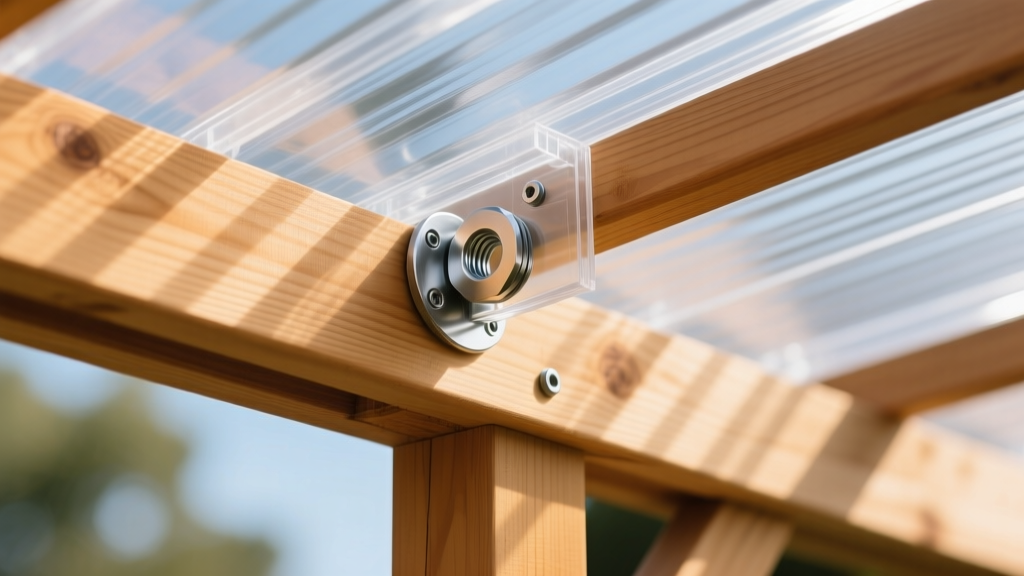
- Over-Torquing Fasteners: Driving screws flush or overtightening them compresses the plastic. When the material attempts to expand in the heat, the compressed area experiences immense shear stress, resulting in radial micro-cracks that eventually propagate into full fractures. Fasteners should be tightened until the neoprene washer just makes contact and seals, with zero indentation on the plastic surface.
- Undersized Fastener Holes: Because of the thermal expansion mentioned above, all fastener holes in rigid plastic sheets (polycarbonate or acrylic) must be drilled 3mm to 4mm (1/8 to 3/16 inch) larger than the shank diameter of the screw. This creates a slip plane that allows the roof to 'float' over the structural framing.
- Incompatible Sealants: Never use standard silicone, polyurethane, or solvent-based adhesives on polycarbonate or acrylic. The solvents in these sealants chemically attack the polymer chains, causing immediate stress crazing and structural weakening. Only use neutral-cure, polymer-specific sealants (often labeled as 'polycarbonate compatible' or neutral-cure silicone specifically formulated for plastics).
Real-World Lifespan Expectancies by Application
Patio Covers and Pergolas (Multiwall Polycarbonate)
For residential pergolas and patio enclosures, 10mm or 16mm multiwall polycarbonate is the industry standard. When installed with proper H-profile and U-profile aluminum extrusions that allow for drainage and expansion, these roofs routinely last 15 to 20 years. The multiwall structure provides excellent thermal insulation (R-values up to 1.5) while diffusing harsh sunlight. Failure usually occurs not in the panels themselves, but in the degradation of the aluminum tape used to seal the flutes; if left unsealed, algae and dust enter the channels, blocking light and retaining moisture.
Commercial Flat Roofs (PVC Membranes)
In commercial low-slope applications, 60-mil reinforced PVC membranes are highly durable, often lasting 25 to 30 years. The U.S. Department of Energy highlights that white PVC membranes are exceptional 'cool roofs,' reflecting up to 80% of solar radiation, which drastically reduces the thermal load on the building and slows the aging process of the membrane itself. The longevity of a PVC roof relies heavily on the seams; hot-air welded seams create a monolithic, watertight bond that is actually stronger than the membrane itself, eliminating the primary failure point found in glued EPDM or modified bitumen systems.
Agricultural Skylights and Greenhouses (Acrylic / PMMA)
Acrylic (PMMA) is preferred for applications requiring maximum, unyielding light transmission over decades. Unlike polycarbonate, which may experience a slight drop in light transmission over 15 years due to surface micro-scratching, acrylic maintains up to 92% light transmission indefinitely. However, its lower impact resistance means it is unsuitable for areas prone to severe hail or falling branches. In controlled agricultural environments, acrylic domes and flat sheets easily exceed 25 years of service life.
Maintenance Framework for Maximum Longevity
Plastic roofs are often marketed as 'maintenance-free,' but a proactive maintenance protocol will ensure they reach the absolute maximum end of their lifespan spectrum.
Annual Plastic Roof Maintenance Checklist
- Bi-Annual Cleaning: Wash panels using only lukewarm water and a mild, non-abrasive, pH-neutral soap (like car wash soap). Never use pressure washers, as the high PSI will strip the co-extruded UV layer and force water into the multiwall flutes.
- Sealant and Tape Inspection: Check all perimeter U-tapes and H-profile gaskets. Replace any tape that has become brittle or peeled back to prevent biological growth inside polycarbonate chambers.
- Fastener Torque Check: Inspect screws after the first full seasonal cycle (post-winter and post-summer). If the neoprene washers are bulging, back the screws out slightly to relieve compressive stress.
- Membrane Seam Probing (PVC Roofs): For commercial flat roofs, use a blunt-nosed seam probe annually to check heat-welded seams for any voids or cold-weld failures, repairing immediately with a hot-air welder and PVC patch.
"The longevity of a plastic roof is rarely determined by the material's inherent chemistry alone; it is dictated by the installer's understanding of polymer thermodynamics. Accommodate the expansion, protect the UV layer, and the material will outlast traditional alternatives."
By selecting the correct polymer for your specific structural and environmental needs, avoiding chemical incompatibilities during installation, and accommodating thermal movement, plastic roofing materials offer a highly durable, cost-effective, and long-lasting roofing solution for modern construction.
Written by
Priya KapoorPriya Kapoor is a real estate market analyst and construction economics researcher with expertise in housing affordability, development feasibility, and infrastructure investment. She holds a Master of Regional Planning from Cornell University and previously worked as a senior analyst at CBRE's Investment Properties group, where she modeled returns for $4B in mixed-use development pipelines. Priya now runs an independent research practice advising developers, municipalities, and REITs on construction cost forecasting and market timing. She publishes the quarterly "BuildMat Market Pulse" report tracking material price indices across 12 commodity categories. Based in Austin, TX, Priya serves on the board of Habitat for Humanity Austin and is a marathon runner.
More from Priya Kapoor
View all
Construction Cost
Cost to Build a 1600 Sq Ft Home in 2026: Full Breakdown
Accurate 2026 cost to build a 1600 sq ft home—material, labor, and regional pricing breakdowns included. Plan your budget with real-time estimates.
Aug 11, 2026

Wood & Lumber
Name the Types of Wood for Pressure Treatment and Preservation
Learn how to name the types of wood best suited for pressure treatment. Compare species treatability, chemical retention levels, and 2026 preservation costs.
Aug 4, 2026

Stone & Masonry
Stone Veneer Suppliers Lindenhurst: 2026 Cost Analysis
Analyze 2026 stone veneer costs in Lindenhurst, NY. Compare local supplier pricing, delivery fees, and Suffolk County installation labor rates.
Aug 4, 2026