Roof Tile Material Types: 2026 Cost Breakdown & Pricing Guide
Compare the cost of popular roof tile material types in 2026. Detailed pricing breakdown for clay, concrete, slate, and synthetic tiles per square foot.
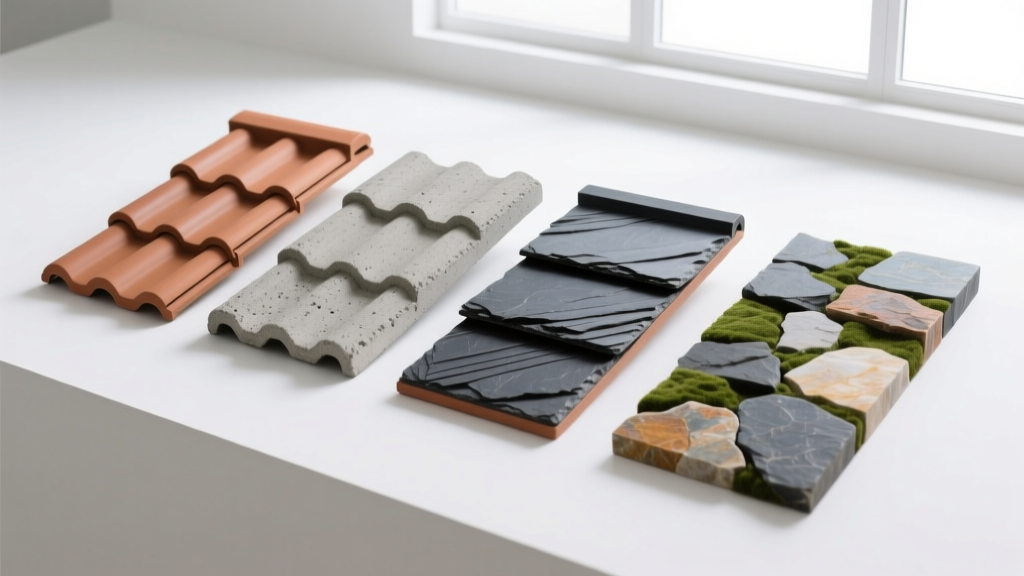
The True Cost Matrix: Roof Tile Material Types Compared
Calculating the true cost of a tile roof requires looking beyond the per-square-foot price of the tiles themselves. Tile roofing is a premium, heavy-duty system where material costs represent only 40% to 50% of the total project expense. The remaining costs are driven by specialized labor, structural reinforcement, and high-performance underlayments. According to the Tile Roofing Institute Alliance, a properly installed tile system can last 50 to 100 years, but achieving that lifespan requires strict adherence to material-specific installation protocols.
| Roof Tile Material Types | Material Cost (Per Sq. Ft.) | Installed Cost (Per Sq. Ft.) | Weight Per Square (100 Sq. Ft.) | Expected Lifespan |
|---|---|---|---|---|
| Concrete Tile | $4.00 - $8.00 | $12.00 - $18.00 | 900 - 1,100 lbs | 40 - 50 Years |
| Clay / Terracotta | $8.00 - $15.00 | $18.00 - $28.00 | 600 - 900 lbs | 50 - 100 Years |
| Natural Slate | $15.00 - $35.00+ | $30.00 - $55.00 | 800 - 1,500 lbs | 75 - 150+ Years |
| Synthetic / Composite | $6.00 - $12.00 | $14.00 - $22.00 | 300 - 500 lbs | 50 Years |
Deep Dive: Material Costs, Lifespans, and Hidden Expenses
Each of the primary roof tile material types carries distinct manufacturing costs, installation quirks, and long-term maintenance profiles. Selecting the right material depends on your regional climate, architectural style, and structural capacity.
Concrete Roof Tiles
Concrete tiles are manufactured from a mixture of Portland cement, sand, and water, extruded under high pressure. Brands like BMI (formerly Monier) and Eagle Roofing dominate this market. While concrete is the most budget-friendly tile option, it is highly porous. Hidden Cost Factor: Concrete tiles are prone to efflorescence (white, powdery salt deposits) and color fading. To maintain their appearance and prevent water absorption, they require an acrylic sealer application every 7 to 10 years, adding approximately $1.50 to $2.50 per square foot in long-term maintenance costs.
Clay and Terracotta Tiles
Fired at extreme temperatures, clay tiles are virtually impervious to water and UV degradation. Premium manufacturers like Ludowici and Boral offer tiles that meet ASTM C1167 Grade 1 standards, meaning they can withstand severe freeze-thaw cycles without cracking. Hidden Cost Factor: Clay tiles are brittle. Walking on a clay roof to clean gutters or service HVAC units can easily crack the tiles. Homeowners must budget for specialized foam walkway pads or permanent roof anchors during installation, which adds $400 to $800 to the initial project cost.
Natural Slate Tiles
Slate is the undisputed heavyweight in longevity, with quarries in Vermont and Virginia producing stone that routinely outlasts the buildings it covers. However, slate requires absolute precision in installation. Hidden Cost Factor: Slate must be fastened using solid copper or stainless steel nails. If a contractor uses standard hot-dipped galvanized nails to cut costs, the nails will rust and fail in 30 years, causing the slate to slide off while the stone itself remains perfectly intact. Copper fasteners add roughly $0.80 to $1.20 per square foot to the material budget.
Synthetic and Composite Tiles
Engineered from recycled plastics, rubber, and stone dust, synthetic tiles (such as DaVinci Roofscapes or EcoStar) mimic the look of slate and shake without the extreme weight. They consistently achieve Class 4 impact resistance (UL 2218) and Class A fire ratings. Hidden Cost Factor: While the material cost is moderate, synthetic tiles require specific thermal expansion gaps during installation. If installed too tightly in cold weather, the tiles will buckle and warp during summer heatwaves, voiding the manufacturer's warranty.
Tile is a water-shedding cladding, not a waterproof barrier. The underlayment beneath the tile is the actual waterproofing layer. The National Roofing Contractors Association strongly recommends upgrading from standard #30 asphalt felt to a high-tensile synthetic underlayment or a self-adhering ice and water shield in valleys and eaves. Budget an additional $1.50 to $3.50 per square foot for premium underlayment to ensure the roof survives the 50-year lifespan of the tiles.
Structural Reinforcement: The Hidden Cost Factor
The most frequently overlooked expense when transitioning from asphalt shingles to tile is structural reinforcement. A standard architectural asphalt shingle roof weighs approximately 250 pounds per square (100 square feet). A concrete tile roof weighs roughly 950 pounds per square.
For a typical 2,500-square-foot roof (25 squares), switching to concrete tile adds over 17,500 pounds of dead load to your home's truss system. If your home was originally framed for asphalt or wood shake, the existing trusses will likely fail under the snow and wind loads combined with the tile weight.
- Structural Engineering Assessment: $600 - $1,500 to evaluate truss capacity and draft reinforcement plans.
- Truss Reinforcement / Sistering: $8,000 - $20,000+ to add supplemental framing in the attic. This requires opening drywall ceilings, reinforcing joints with structural steel plates, and repairing the interior finishes.
- Alternative Solution: If structural reinforcement is cost-prohibitive, pivot to synthetic composite tiles, which weigh under 500 lbs per square and rarely require framing upgrades.
Labor and Installation Variables by Region
Tile installation is a specialized trade. General roofing contractors who primarily install asphalt shingles should not be hired for tile work. Labor rates fluctuate based on roof complexity and regional demand.
Pitch and Complexity Multipliers
Contractors calculate labor based on a 'base rate' for a standard 4/12 to 6/12 pitch roof with minimal valleys. Expect the following labor multipliers applied to your base installation cost:
- Steep Pitch (8/12 to 10/12): Adds 15% to 25% to labor costs due to the need for specialized scaffolding and roof jacks.
- Extreme Pitch (12/12 and above): Adds 30% to 50% to labor costs. Safety harnesses and slower material staging drastically reduce daily productivity.
- Complex Geometry: Every valley, dormer, and turret requires custom tile cutting and specialized lead or copper flashing. Homes with more than four valleys will see labor costs increase by 20% or more.
Energy Efficiency and Cooling Rebates
The thermal mass of clay and concrete tiles provides natural insulation, but modern manufacturing has introduced 'cool roof' tile coatings that reflect solar radiation. According to the U.S. Department of Energy, cool roofs can reduce peak cooling demand by 10% to 15%. Many clay and concrete manufacturers now offer ENERGY STAR-rated reflective coatings. In states like California and Florida, installing these reflective tile systems can qualify homeowners for utility rebates ranging from $500 to $1,500, effectively offsetting a portion of the premium material costs.
Decision Framework: Which Tile Type Fits Your Project?
Use this practical framework to align your budget and structural constraints with the correct roof tile material types:
- If your budget is under $15/sq. ft. installed and your trusses are heavily reinforced: Choose Concrete Tile. It offers the classic barrel-tile aesthetic at the lowest entry price, provided you budget for decade-long sealing maintenance.
- If you want a 100-year legacy roof and budget is secondary: Choose Natural Slate. Ensure your contractor uses solid copper fasteners and a premium synthetic underlayment. This is a 'buy it for life' investment that increases property appraisal value.
- If your home's framing cannot support heavy loads and you want a slate aesthetic: Choose Synthetic Composite. You avoid the $15,000+ structural retrofit costs while gaining Class 4 impact resistance against hail.
- If you are building in a coastal, high-salt, or hurricane-prone environment: Choose Clay / Terracotta. Clay is entirely immune to salt spray corrosion and, when installed with hurricane-rated polyurethane adhesive and mechanical clips, can withstand 150+ mph wind uplift.
Written by
David NakamuraDavid Nakamura is a licensed architect (AIA) and construction technology writer focused on sustainable building methods, mass timber engineering, and high-performance building envelopes. He holds a Master of Architecture from the University of Washington and is a certified Passive House Consultant (CPHC). David spent eight years at the Seattle firm Mithun, where he led the design of three LEED Platinum projects, before founding his own practice specializing in net-zero residential design. He serves on the editorial advisory board of GreenBuilder Magazine and has authored peer-reviewed papers on cross-laminated timber (CLT) connections for the Journal of Structural Engineering. In his spare time, David teaches woodworking at Pratt Fine Arts Center and kayaks the Puget Sound.
More from David Nakamura
View all
Construction Cost
Labor Cost to Build a Deck Per Sq Ft: 2026 Installation Guide
Discover the exact labor cost to build a deck per sq ft in 2026. This installation guide breaks down contractor rates, complexity factors, and hidden fees.
Aug 4, 2026

Construction Cost
How Much Does It Cost to Build a 3 Bedroom House? Financing Guide
Learn exactly how much it costs to build a 3 bedroom house and explore 2026 financing options, construction loan types, and budget frameworks for your build.
Aug 4, 2026

Construction Cost
Cost to Build a Tennis Court: 2026 Guide
How much does it cost to build a tennis court in 2026? Breakdowns for asphalt, concrete, and synthetic surfaces plus fencing and lighting.
Jul 30, 2026