Roof Ridge Vent Lifespan: Durability Analysis & Failure Modes
Analyze the true lifespan of a roof ridge vent. Discover common failure modes, material durability comparisons, and maintenance tips to maximize ventilation.
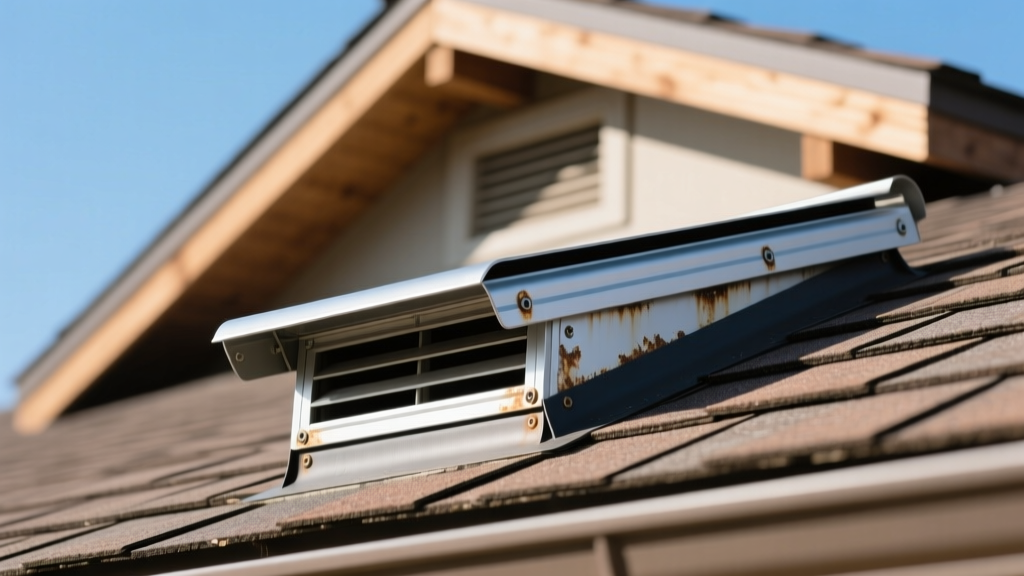
The Expected Lifespan of Roof Ridge Vents
A properly designed continuous ventilation system relies on the roof ridge vent to serve as the primary exhaust mechanism, leveraging the stack effect to pull cool air from the soffits and expel superheated, moisture-laden air from the attic. While modern architectural asphalt shingles are routinely rated for 30 to 50 years of service life, the roof ridge vent is frequently the weakest link in the roofing assembly. As of 2026, industry data indicates that standard polycarbonate ridge vents often exhibit critical failure between years 12 and 15, necessitating premature replacement or causing cascading moisture damage to the roof deck.
The lifespan discrepancy stems from the vent’s position at the absolute peak of the roof, where it endures the highest concentration of solar radiation, extreme thermal cycling, and maximum wind uplift forces. When evaluating products like the GAF Cobra III or Air Vent ShingleVent II, contractors and homeowners must look beyond the manufacturer’s basic warranty and examine the material science governing the vent’s long-term durability.
Average Architectural Shingle Lifespan: 30 Years
Average Polycarbonate Ridge Vent Lifespan: 12-15 Years
Average Aluminum Ridge Vent Lifespan: 25-30+ Years
Closing this gap requires upgrading vent materials and strictly adhering to enhanced fastening protocols.
Material Durability Matrix
Not all ridge vents are engineered equally. The choice of base material dictates the vent’s resistance to ultraviolet (UV) degradation, impact from hail or falling branches, and dimensional stability during temperature fluctuations. Below is a comparative analysis of the four primary materials used in modern ridge vent manufacturing.
| Material | UV Resistance | Impact Resistance | Thermal Expansion Rate | Expected Lifespan |
|---|---|---|---|---|
| Polycarbonate | Moderate (Requires HALS inhibitors) | High (Flexible) | High (Prone to fastener back-out) | 12 - 15 Years |
| High-Density Polyethylene (HDPE) | Low to Moderate | Moderate | Very High | 10 - 12 Years |
| Extruded Aluminum | Excellent (Non-degrading) | Low (Can dent from large hail) | Low (Matches wood decking closely) | 25 - 30+ Years |
| Galvanized Steel | High (Until zinc coating fails) | High | Low | 20 - 25 Years |
For maximum longevity, extruded aluminum ridge vents offer the best lifecycle match for premium roofing systems. While polycarbonate is highly impact-resistant and easily conforms to roof curves, it requires Hindered Amine Light Stabilizers (HALS) to prevent polymer chain scission caused by UV exposure. Once the HALS depletes, the plastic becomes brittle and shatters under minor physical stress.
Primary Failure Modes & Environmental Stressors
Understanding how a roof ridge vent fails is critical for specifying the right product and installation method. Field inspections of roofs aged 15+ years reveal three dominant failure modes:
1. UV Degradation and Thermal Embrittlement
Plastic ridge vents absorb intense solar radiation. Over time, UV rays break down the molecular bonds in the polymer. This process, accelerated by high attic exhaust temperatures, causes the vent flange to warp, curl, and eventually crack. Once the flange cracks, water infiltrates the roof deck, leading to OSB delamination and mold growth—a primary concern highlighted in EPA guidelines on indoor moisture and mold prevention.
2. Thermal Expansion and Fastener Back-Out
Plastics expand and contract at a significantly higher coefficient than the wood or OSB roof deck beneath them. During a 24-hour cycle, a 4-foot section of polycarbonate vent can expand and contract by up to 1/8 of an inch. This constant micro-movement gradually works the roofing nails out of the deck, breaking the asphalt seal and creating direct pathways for wind-driven rain.
3. Wind Uplift and Structural Detachment
The roof ridge experiences the highest wind uplift pressures on the entire structure. According to the IBHS FORTIFIED Roof standard, ridge vents must withstand severe uplift forces without tearing away from the deck. Vents with narrow nailing flanges or those installed with insufficient fasteners are routinely ripped off during tropical storms and derechos, taking the surrounding shingles and underlayment with them.
Installation Flaws That Halve Vent Lifespan
Even a premium, UV-stabilized aluminum ridge vent will fail prematurely if installed incorrectly. The National Roofing Contractors Association (NRCA) emphasizes that installation precision is just as critical as material selection. Avoid these common field errors:
- Using Staples: Never use pneumatic staples to secure a ridge vent. Staples lack the withdrawal resistance required for long-term wind uplift and will pull out as the vent expands.
- Over-driving Nails: Driving the nail head too deeply into a polycarbonate flange creates a stress concentration point. As the plastic expands, it will crack radially outward from the over-driven nail head.
- Wrong Nail Type: Standard smooth-shank roofing nails are unacceptable. You must use 11-gauge or 12-gauge hot-dipped galvanized ring-shank roofing nails with a minimum 3/8-inch head diameter.
The Proper Fastening Protocol
For a standard 4-foot ridge vent section, install a minimum of six ring-shank nails (three on each side). The nails must penetrate through the vent flange, through the shingle cap, and bite at least 3/4 of an inch directly into the solid wood roof deck (not just the OSB or plywood). If the roof deck is thick, use 2.5-inch or 3-inch nails to ensure adequate penetration. Apply a 1-inch diameter dab of high-grade polyurethane roofing sealant over every nail head immediately after driving it to prevent capillary water intrusion.
Proactive Maintenance & Inspection Framework
Ridge vents are largely maintenance-free, but they are not maintenance-ignored. To ensure the vent achieves its maximum rated lifespan and maintains its required Net Free Area (NFA), implement this bi-annual inspection checklist:
- Flange Integrity Check: Walk the ridge line (or use binoculars from the ground) to look for curled, lifted, or cracked flanges. Pay special attention to the overlapping joints between vent sections, which are prime targets for wind-driven rain.
- Mesh and Filter Inspection: Most modern ridge vents feature an internal fiberglass or plastic mesh to block insects and wind-blown debris. Ensure this mesh has not collapsed or degraded, which would allow bees, wasps, or birds to nest in the attic space.
- Attic-Side NFA Verification: From inside the attic, inspect the ridge slot. Blown-in cellulose or fiberglass insulation often migrates and piles up against the ridge vent slot, choking off the exhaust flow. Maintain a minimum 2-inch clearance between the insulation baffles and the ridge vent opening.
- Fastener Seal Check: Look for exposed nail heads where the asphalt shingle cap has failed to seal over the vent flange. Re-seal any exposed fasteners immediately with polyurethane sealant.
Replacement Costs & ROI Analysis
When a roof ridge vent reaches the end of its service life, replacing it concurrently with a full roof replacement is highly cost-effective. However, retrofitting a new ridge vent onto an existing roof requires careful shingle cap removal and replacement, increasing labor costs.
| Cost Factor | Polycarbonate Vent | Extruded Aluminum Vent |
|---|---|---|
| Material Cost (per linear ft) | $2.50 - $4.00 | $5.50 - $8.50 |
| Labor Cost (per linear ft) | $3.50 - $5.00 | $4.00 - $6.00 |
| Total Installed (60 linear ft) | $360 - $540 | $570 - $870 |
| Expected Replacement Cycle | Every 12-15 Years | Every 30+ Years |
The ROI Verdict: While extruded aluminum ridge vents cost approximately 50% more upfront in material costs, they eliminate the need for a mid-cycle roof penetration repair. Considering that a premature ridge vent failure can lead to attic moisture damage, compromised insulation R-values, and accelerated decking rot, the marginal upfront investment in aluminum and ring-shank fasteners yields a massive return in long-term building envelope preservation.