How Many Layers of Materials Does Your Roof Currently Have?
Discover how many layers of materials your roof currently has and compare the structural, financial, and warranty impacts of tear-offs versus overlays.
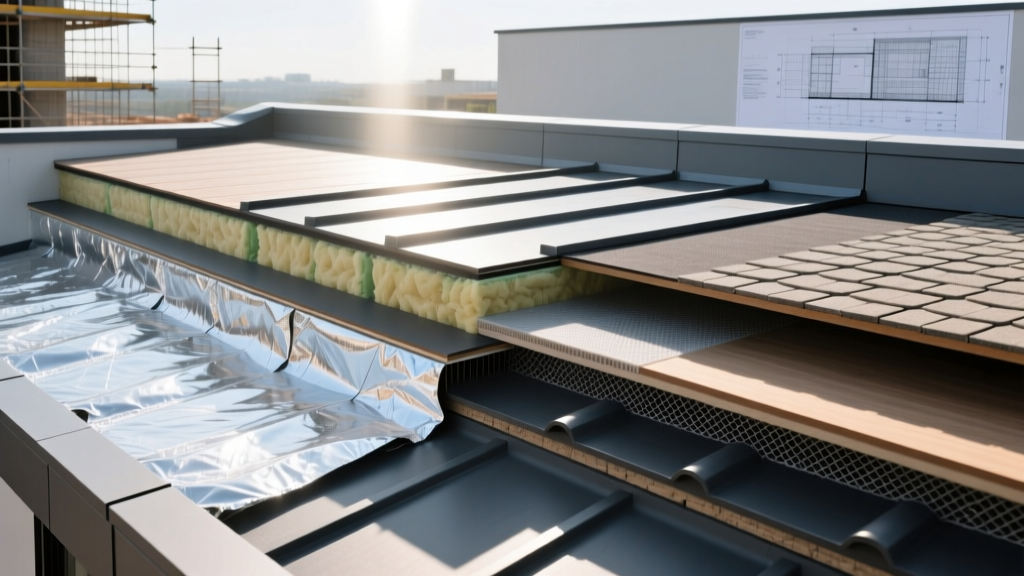
The Structural Reality of Your Existing Roof Assembly
Before selecting a new roofing system, determining exactly how many layers of materials does your roof currently have is the most critical diagnostic step you can take. The layer count dictates your legal options under the 2024/2026 International Residential Code (IRC), influences the structural dead load on your trusses, and determines whether premium manufacturer warranties will be honored. While a single-layer overlay might seem like a cost-effective shortcut, the material science of thermal trapping and moisture retention often turns this short-term savings into long-term structural degradation.
Material Science: Why Layer Count Dictates Performance
The physical properties of roofing materials change drastically depending on what sits beneath them. Comparing a fresh-deck installation to an overlay reveals stark differences in material longevity.
Thermal Degradation in Overlaid Asphalt
Asphalt shingles are designed with a specific thermal profile. They rely on ambient air circulation across the back surface to dissipate heat absorbed from solar radiation. When you install a new layer of architectural shingles over an existing layer, the bottom layer acts as an insulator. According to roofing material engineers, this trapped heat can increase the roof surface temperature by 15°F to 25°F. This accelerated thermal cycling causes the asphalt binder to volatilize faster, leading to premature granule loss, edge curling, and a lifespan reduction of up to 30% compared to a single-layer installation on bare decking.
Metal Roofing and the Vented Rainscreen Advantage
Unlike asphalt, standing seam metal roofing can sometimes be safely installed over a single existing layer of shingles, provided the structural load allows it. However, this requires a material comparison of the installation method. Installing metal directly over shingles traps moisture. The correct material application involves laying down a synthetic underlayment followed by a 1x4 or 2x4 wood batten grid. This creates a vented rainscreen—a crucial air gap that allows convective cooling, entirely bypassing the thermal trapping issue that plagues asphalt overlays.
1-Layer vs. 2-Layer vs. 3-Layer: Tear-Off & Material Cost Matrix
The financial and material implications scale non-linearly with each additional layer. The following matrix outlines the 2026 industry averages for residential tear-offs, structural loads, and material compatibility.
| Existing Layer Count | Est. Dead Load (per sq.) | 2026 Tear-Off Cost | Allowed Overlay Materials | Warranty Status |
|---|---|---|---|---|
| 1 Layer (Standard 3-Tab) | ~250 lbs | $120 - $160 | Architectural Asphalt, Batten Metal | Valid (Tear-off) / Void (Overlay) |
| 1 Layer (Architectural) | ~350 lbs | $140 - $190 | Batten Metal Only | Void (Overlay not recommended) |
| 2 Layers (Mixed) | ~600+ lbs | $250 - $350 | NONE (Code Violation) | N/A |
| 3+ Layers | ~900+ lbs | $400 - $600+ | NONE (Structural Hazard) | N/A |
Building Codes & Manufacturer Warranty Implications
Local building departments enforce the International Residential Code (IRC), which sets strict limits on re-roofing. According to IRC Section R907, a new roof covering cannot be installed over an existing water-soaked or deteriorated base, and you are legally prohibited from installing a new roof over two or more existing applications of any type of roof covering.
"The International Residential Code explicitly limits residential structures to a maximum of two roof coverings. Attempting to overlay a third layer is not only a code violation that will fail municipal inspection, but it also voids homeowner insurance coverage in the event of a structural failure or leak."
— International Code Council (ICC) Guidelines
Beyond municipal codes, material manufacturers have tightened their warranty requirements. Major producers like Owens Corning and GAF explicitly state in their limited warranty documentation that installing shingles over an existing layer voids the lifetime limited warranty and the wind resistance warranty. To qualify for premium system warranties (like the GAF Golden Pledge), a complete tear-off down to the bare decking, followed by a new ice and water shield and synthetic underlayment, is strictly mandatory. The Asphalt Roofing Manufacturers Association (ARMA) further advises that overlaying hides decking defects, such as soft spots or rot, which will eventually telegraph through the new shingles, causing visible dips and premature material failure.
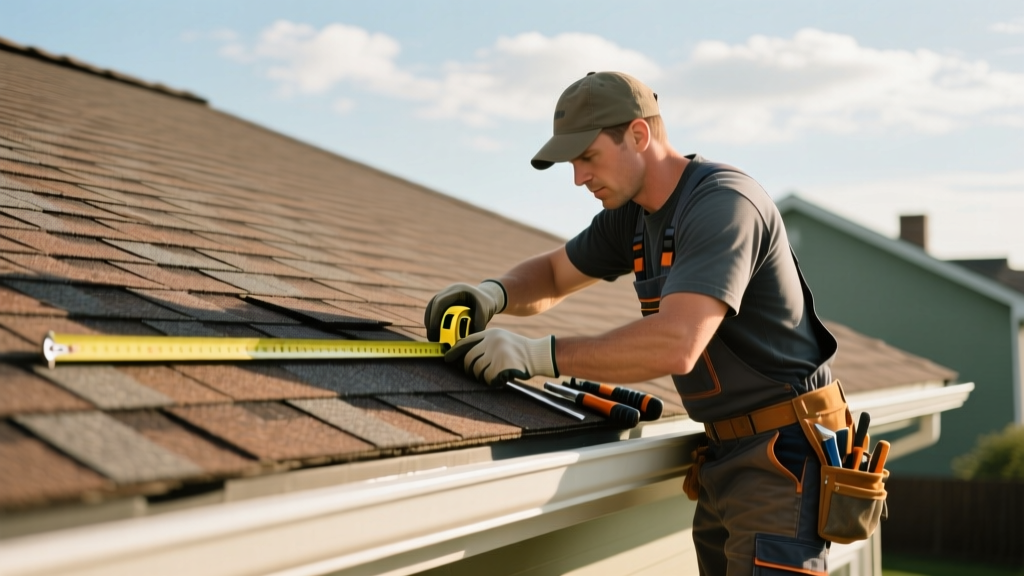
Actionable Decision Framework: Matching Layer Count to Material
Use this framework to determine your next steps based on your current roof layer count:
- If you have 1 Layer of 3-Tab Shingles: You have a choice. If budget is the primary constraint, you may legally overlay with architectural shingles, provided the decking is inspected and fasteners are long enough (minimum 1.5-inch roofing nails) to penetrate the deck. However, for maximum ROI and material lifespan, invest the extra $1,500-$2,500 for a full tear-off to secure a 50-year manufacturer warranty.
- If you have 1 Layer of Architectural Shingles: Do not overlay with asphalt. The uneven surface of the existing dimensional shingles will cause the new layer to sit flat, creating voids that lead to cracking and wind uplift. Your best material comparison here is switching to a batten-mounted standing seam metal roof, which bridges the uneven surface while shedding the heat.
- If you have 2 Layers: A full tear-off is legally required. Use this opportunity to upgrade your decking material. Replace any compromised 1/2-inch CDX plywood with 5/8-inch OSB or plywood to provide a stiffer substrate, which is especially critical if you plan to install heavy materials like synthetic slate or concrete tile.
- If you have 3+ Layers: Halt all material purchasing until a structural engineer evaluates the trusses. The tear-off will be labor-intensive and expensive. Budget an additional $1,000 to $3,000 for potential decking replacement, as the bottom layers have likely trapped decades of condensation against the wood substrate.
Ultimately, the longevity of your new roofing investment is entirely dependent on the foundation it rests upon. Stripping the roof down to bare wood ensures that your new underlayment, ice barriers, and shingles perform exactly as engineered, free from the hidden thermal and moisture liabilities of the past.
Written by
Priya KapoorPriya Kapoor is a real estate market analyst and construction economics researcher with expertise in housing affordability, development feasibility, and infrastructure investment. She holds a Master of Regional Planning from Cornell University and previously worked as a senior analyst at CBRE's Investment Properties group, where she modeled returns for $4B in mixed-use development pipelines. Priya now runs an independent research practice advising developers, municipalities, and REITs on construction cost forecasting and market timing. She publishes the quarterly "BuildMat Market Pulse" report tracking material price indices across 12 commodity categories. Based in Austin, TX, Priya serves on the board of Habitat for Humanity Austin and is a marathon runner.
More from Priya Kapoor
View all
Construction Cost
Cost to Build a 1600 Sq Ft Home in 2026: Full Breakdown
Accurate 2026 cost to build a 1600 sq ft home—material, labor, and regional pricing breakdowns included. Plan your budget with real-time estimates.
Aug 11, 2026

Wood & Lumber
Name the Types of Wood for Pressure Treatment and Preservation
Learn how to name the types of wood best suited for pressure treatment. Compare species treatability, chemical retention levels, and 2026 preservation costs.
Aug 4, 2026

Stone & Masonry
Stone Veneer Suppliers Lindenhurst: 2026 Cost Analysis
Analyze 2026 stone veneer costs in Lindenhurst, NY. Compare local supplier pricing, delivery fees, and Suffolk County installation labor rates.
Aug 4, 2026