Silicone Roof Coating Lifespan: Durability Analysis & Failure Modes
Discover the true lifespan of silicone roof coating systems. We analyze durability, UV resistance, common failure modes, and restoration costs.
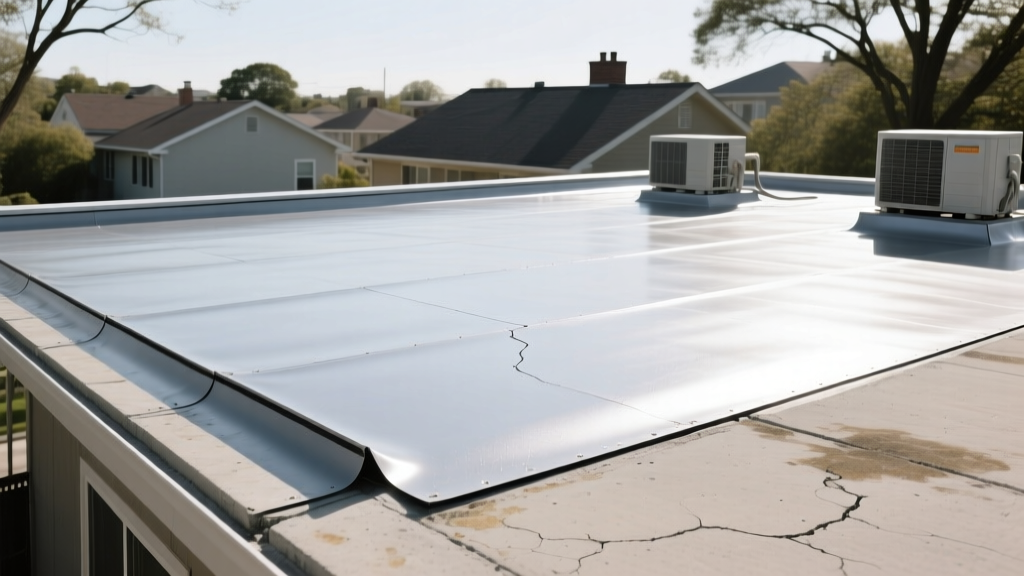
The Chemistry of Durability: Why Silicone Outlasts Acrylics
When evaluating liquid-applied roofing membranes, facility managers frequently debate the merits of silicone versus acrylic or urethane systems. The superior lifespan of a silicone roof coating is rooted in its inorganic polymer backbone. Unlike acrylics, which rely on water evaporation and are susceptible to UV degradation and hydrolysis, high-solids silicone cures via moisture from the atmosphere. This creates a chemically stable, fully cross-linked matrix that does not become brittle over time.
According to the U.S. Department of Energy, reflective roof coatings must maintain their solar reflectance to prevent thermal shock and substrate degradation. Silicone inherently resists UV breakdown, retaining over 80% of its initial reflectance after a decade of exposure, whereas acrylics often chalk, erode, and lose reflectivity within five to seven years.
Real-World Lifespan Expectancy & Degradation Curves
The service life of a silicone restoration system is not a single number; it is a variable dictated by substrate preparation, applied dry mil thickness, and local climate zones. A properly installed high-build silicone system (such as GacoRoof or Henry 887 Tropi-Cool) typically delivers a 15- to 20-year watertight lifecycle before requiring a maintenance re-coat.
| Existing Substrate | Required Dry Mil Thickness | Expected Lifespan | Critical Prep Step |
|---|---|---|---|
| EPDM Rubber | 30 Mil | 15-20 Years | EPDM cleaner & primer required |
| TPO / PVC | 30 Mil | 15-20 Years | Power wash + specific TPO primer |
| Modified Bitumen | 35-40 Mil | 15-20 Years | Bleed-tracker stain-blocking primer |
| Metal (Standing Seam) | 20-25 Mil | 10-15 Years | Rust treatment & seam reinforcement |
Top 5 Silicone Roof Coating Failure Modes (And How to Avoid Them)
While the material chemistry is highly durable, application errors and environmental factors can prematurely terminate a silicone system. Understanding these failure modes is critical for quality assurance during installation.
1. Adhesion Loss on Weathered TPO and EPDM
Single-ply membranes oxidize and accumulate environmental pollutants over time. If a contractor applies silicone directly to a weathered TPO roof without mechanical abrasion or a specialized bonding primer, the coating will peel off in large sheets during high-wind events. Fix: Mandate an adhesion pull-test on a 4x4 foot test patch before full-scale application begins.
2. Asphalt Bleed-Through on Bitumen Roofs
When coating modified bitumen or built-up roofs, the oils in the asphalt can migrate through the silicone membrane, turning the bright white roof a permanent yellow or brown. This destroys the roof's solar reflectance index (SRI). Fix: Always apply a heavy coat of a stain-blocking, high-solids primer (e.g., GacoFlex E5320) over all bitumen surfaces before the topcoat.
3. Dirt Pickup and Static Charge
Silicone possesses a slight static charge that attracts airborne dust, pollen, and industrial exhaust. Over time, this dirt layer reduces the roof's reflectivity, increasing cooling loads. The Cool Roof Rating Council (CRRC) notes that unmaintained reflective roofs can lose up to 20% of their energy efficiency. Fix: Implement a biannual low-pressure wash protocol using a non-abrasive, pH-neutral detergent.
4. Moisture Entrapment and Blistering
Silicone is highly vapor-permeable, which is generally a benefit. However, if the substrate contains trapped moisture from a prior leak, the heat of the sun will vaporize the water, causing blisters in the coating. Fix: Require a non-destructive infrared moisture survey prior to coating. Cut out and replace all wet insulation sections before priming.
5. Insufficient Mil Thickness at Seams
Contractors often achieve the required 30 mils in the field of the roof but fail to build up the thickness at seams, penetrations, and drains. These high-stress areas are where the roof physically moves and tears. Fix: Specify a reinforced "three-course" application (base coat, polyester reinforcing fabric, and top coat) at all seams, flashings, and HVAC curbs.
2026 Cost Analysis: Silicone Restoration vs. Full Tear-Off
From a lifecycle cost perspective, silicone roof restoration offers massive capital expenditure savings compared to a full commercial tear-off. By avoiding landfill fees and minimizing structural disruption, facility managers can extend the roof's life for a fraction of the replacement cost.
| Cost Factor (Per Sq. Ft.) | Silicone Coating System | Full TPO Tear-Off & Replace |
|---|---|---|
| Material Costs | $1.20 - $1.80 | $3.50 - $5.00 |
| Labor & Equipment | $1.50 - $2.50 | $4.00 - $6.50 |
| Tear-Off & Disposal Fees | $0.00 | $1.50 - $2.50 |
| Total Estimated Cost | $2.70 - $4.30 | $9.00 - $14.00 |
| Business Disruption | Minimal (No odors, quiet) | High (Noise, debris, leaks) |
Maintenance Protocols to Guarantee a 20-Year Service Life
A silicone roof coating is not a "set it and forget it" product. To ensure the membrane reaches its maximum lifespan and maintains its warranty validity, facility managers must implement a proactive maintenance schedule.
- Biannual Inspections: Conduct visual inspections in the spring and fall. Pay special attention to HVAC curbs, pipe penetrations, and drain scuppers, as these are the primary entry points for water.
- Debris Removal: Clear leaves, branches, and dirt from drains and scuppers. While silicone is highly resistant to ponding water (unlike acrylics, which will re-emulsify), standing water accelerates dirt accumulation and hides physical membrane damage.
- Infrared Scanning (Year 5 and Year 10): Hire a certified thermographer to scan the roof for subsurface moisture. Catching a minor seam failure early prevents water from migrating beneath the coating and saturating the polyiso insulation.
- Re-coating Protocol: At year 15, the silicone membrane will likely still be watertight but may have thinned due to minor abrasion and weathering. Applying a light 15-mil maintenance coat at this stage will reset the 20-year clock at a fraction of the initial installation cost.
"The longevity of a liquid-applied silicone system is entirely dependent on the initial substrate preparation. A $50,000 coating job will fail in three years if the contractor skips the $2,000 power-washing and priming phase. Always mandate manufacturer-certified applicators who adhere to ASTM D6694 application standards."
By selecting a high-solids, 100% silicone product, enforcing rigorous substrate preparation, and executing a disciplined maintenance plan, commercial building owners can leverage silicone roof coatings to achieve a highly durable, energy-efficient roofing asset that reliably performs for two decades or more.