Composite Roofing Materials Lifespan: Durability and Failure Guide
Discover the true lifespan of composite roofing materials. We analyze impact resistance, UV degradation, and top polymer brands for long-term durability.

The Engineering Behind Composite Roofing Lifespans
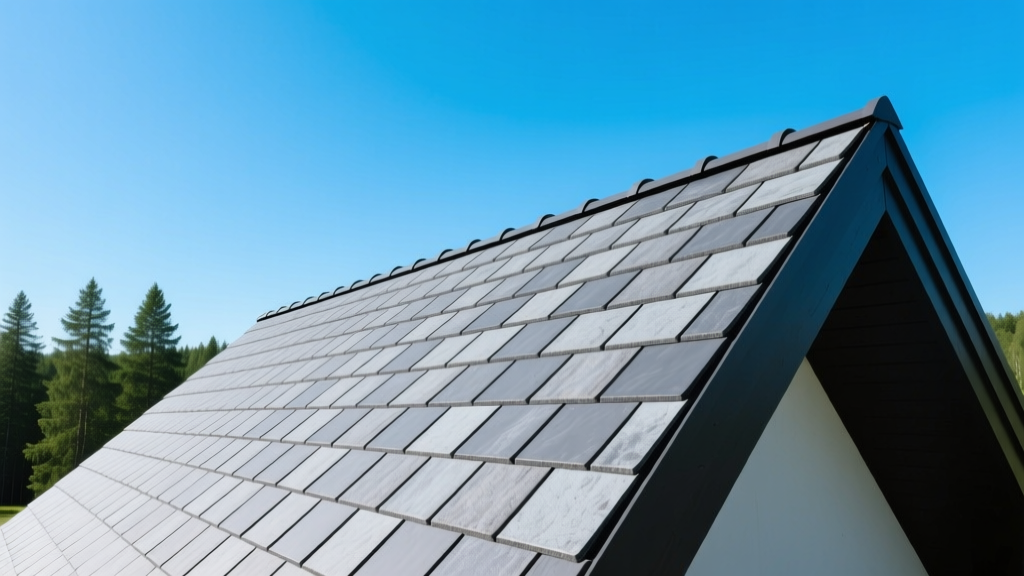
Composite roofing materials—encompassing synthetic slate, engineered polymer shakes, and rubber-plastic blends—have captured significant market share by promising the aesthetic profile of natural materials without the structural weight or maintenance burden. However, the claimed 50-year lifespans of these products are not universal. The actual durability of composite roofing materials is dictated by their resin formulation, UV stabilizer packages, and thermal expansion coefficients. Unlike asphalt shingles that fail via granule loss and mat degradation, or natural slate that fails via delamination, composite shingles fail primarily through plasticizer migration, UV chalking, and thermal buckling. Understanding the chemical and mechanical distinctions between material grades is critical for specifying a roof that will genuinely survive a half-century of environmental exposure.
Real-World Lifespan Expectations by Material Grade
Not all composite roofing materials are engineered equally. The market is segmented into three distinct tiers based on the base resin and manufacturing process. The following matrix outlines the realistic lifespan, installed cost, and primary failure mode for each tier in the current market.
| Material Grade | Base Resin / Composition | Expected Lifespan | Installed Cost (per sq. ft.) | Primary Failure Mode |
|---|---|---|---|---|
| Low-Tier (Economy) | Recycled PVC/PE blends with basic pigments | 15–25 Years | $7.50 – $9.50 | UV chalking, color fading, brittleness |
| Mid-Tier (Standard) | TPO/EPDM rubber blends with mineral fillers | 30–40 Years | $10.00 – $13.00 | Thermal warping, edge curling |
| High-Tier (Premium) | Virgin engineered polymers with advanced UV inhibitors (e.g., DaVinci, EcoStar) | 50+ Years | $14.00 – $19.00 | Extreme mechanical trauma (rare) |
Critical Durability Metrics: Impact, Wind, and Fire
When evaluating composite roofing materials, rely on standardized testing metrics rather than manufacturer marketing claims. High-end synthetic slate and shake products consistently achieve top-tier ratings across all three major durability vectors.
- Impact Resistance (UL 2218 Class 4): Premium composites possess elastomeric memory, allowing them to absorb the kinetic energy of a 2-inch steel ball dropped from 20 feet without cracking. This is the highest rating available and is a prerequisite for the IBHS FORTIFIED Home Standard, which often unlocks substantial insurance premium discounts in hail-prone regions.
- Wind Uplift (ASTM D3161 Class F): Engineered polymer shingles, when installed with the manufacturer-specified 6-nail high-wind pattern, routinely achieve Class F ratings, resisting wind speeds up to 110 mph. The interlocking side-laps and heavy weight of premium composites prevent the wind from getting underneath the shingle courses.
- Fire Resistance (UL 790 Class A): Unlike natural cedar shakes which require periodic chemical fire-retardant treatments that wash away over time, high-quality composite roofing materials are inherently Class A fire-rated due to the inclusion of fire-retardant resins and mineral fillers directly in the extrusion mix.
Common Failure Modes in Composite Roofing
While premium composite roofing materials are exceptionally durable, improper specification or installation can trigger premature failure. Recognizing these edge cases is vital for roof consultants and homeowners.
Plasticizer Migration and UV Degradation
Low-tier composite shingles often rely on liquid plasticizers to maintain flexibility. Over 10 to 15 years of UV exposure and thermal cycling, these plasticizers evaporate or leach out of the material. The result is a shingle that becomes rigid, chalky on the surface, and highly susceptible to shattering from minor impacts like fallen branches. Premium manufacturers utilize polymeric modifiers and high concentrations of titanium dioxide (TiO2) as a UV blocker, which remains stable within the resin matrix for decades without migrating to the surface.
Thermal Expansion and Fastener Back-Out
Composite roofing materials have a significantly higher coefficient of thermal expansion compared to asphalt or concrete tile. A 40-degree temperature swing from morning to afternoon can cause a 12-inch polymer shingle to expand and contract by up to 1/8 of an inch. If installers over-drive the nails (sinking the nail head flush or below the shingle surface), the shingle is pinned tightly to the deck. As the material expands, it has nowhere to go, leading to buckling, ridging, or tearing around the nail shank. Nails must be driven so the head rests exactly flush on the shingle surface, allowing for microscopic lateral movement.
Installation Tolerances That Dictate Longevity
The longevity of composite roofing materials is inextricably linked to the roof deck preparation and underlayment selection. Because synthetic polymers are entirely non-porous, they do not breathe. If moisture from the attic migrates upward and hits the cold underside of the composite shingle, condensation will form.
Using traditional asphalt-saturated felt underlayment in this scenario is a critical error; felt will absorb this condensation, degrade, and eventually rot the roof decking. A high-tensile synthetic underlayment (such as polypropylene-based products) is mandatory for composite roofs. Furthermore, adequate attic ventilation (intake at the eaves, exhaust at the ridge) must be verified to ensure the underside of the roof deck remains within 10°F of the ambient exterior temperature, preventing condensation from forming in the first place.
Composite vs. Natural Slate and Cedar: A Durability Matrix
How do composite roofing materials stack up against the traditional materials they are designed to mimic? The following comparison highlights the structural and maintenance differences.
| Feature | Premium Composite Slate/Shake | Natural Quarried Slate | Natural Cedar Shakes |
|---|---|---|---|
| Weight per Square (100 sq ft) | 250 – 350 lbs | 800 – 1,200 lbs | 350 – 450 lbs |
| Structural Reinforcement Needed | No (Standard framing is sufficient) | Yes (Requires heavy timber trusses) | No |
| Hail Impact Resistance | Excellent (Absorbs and rebounds) | Poor (Shatters and cracks) | Moderate (Dents and splits) |
| Biological Growth (Algae/Moss) | None (Inorganic material) | Moderate (Porous surface) | High (Organic food source) |
| Maintenance Requirements | Minimal (Debris clearing only) | Moderate (Flashing and nail checks) | High (Chemical treatments, moss removal) |
Maintenance Protocols for a 50-Year Lifespan
While composite roofing materials are frequently marketed as 'maintenance-free,' a more accurate term is 'low-maintenance.' To ensure the roof reaches its maximum engineered lifespan, property owners should adhere to the following protocol:
- Biannual Debris Clearance: Remove leaf litter and pine needles from valleys and gutters. While the composite material itself will not rot, trapped organic debris holds moisture against the roof surface and can accelerate the degradation of the metal flashings and fasteners.
- Prohibited Cleaning Methods: Never use a high-pressure power washer on composite roofing materials. The extreme PSI can force water upward past the interlocking side-laps and top-laps, infiltrating the underlayment. If cleaning is required for aesthetic reasons (e.g., pollen buildup), use a low-pressure garden hose and a soft-bristle brush with a mild, non-abrasive detergent.
- Flashing and Penetration Inspections: The composite shingles will easily outlast the metal flashings. Every 10 to 15 years, have a licensed roofing contractor inspect and, if necessary, replace the step flashing, valley metal, and pipe boots. Upgrading to heavy-gauge copper or stainless steel flashings during the initial installation aligns the flashing lifespan with the 50-year composite shingle lifespan.
- Snow Guard Maintenance: In snow-load regions, composite roofs are highly slippery due to their smooth polymer surface. Pad-style snow guards must be installed. Inspect these guards annually to ensure the adhesive or mechanical fasteners have not compromised the shingle integrity.
By specifying virgin engineered polymers, enforcing strict nailing tolerances to accommodate thermal expansion, and pairing the system with synthetic underlayment, composite roofing materials deliver a highly resilient, aesthetically superior alternative to natural materials. The initial premium in material cost is rapidly offset by the elimination of structural reinforcement requirements and the near-total eradication of long-term maintenance expenses.
Written by
David NakamuraDavid Nakamura is a licensed architect (AIA) and construction technology writer focused on sustainable building methods, mass timber engineering, and high-performance building envelopes. He holds a Master of Architecture from the University of Washington and is a certified Passive House Consultant (CPHC). David spent eight years at the Seattle firm Mithun, where he led the design of three LEED Platinum projects, before founding his own practice specializing in net-zero residential design. He serves on the editorial advisory board of GreenBuilder Magazine and has authored peer-reviewed papers on cross-laminated timber (CLT) connections for the Journal of Structural Engineering. In his spare time, David teaches woodworking at Pratt Fine Arts Center and kayaks the Puget Sound.
More from David Nakamura
View all
Construction Cost
Labor Cost to Build a Deck Per Sq Ft: 2026 Installation Guide
Discover the exact labor cost to build a deck per sq ft in 2026. This installation guide breaks down contractor rates, complexity factors, and hidden fees.
Aug 4, 2026

Construction Cost
How Much Does It Cost to Build a 3 Bedroom House? Financing Guide
Learn exactly how much it costs to build a 3 bedroom house and explore 2026 financing options, construction loan types, and budget frameworks for your build.
Aug 4, 2026

Construction Cost
Cost to Build a Tennis Court: 2026 Guide
How much does it cost to build a tennis court in 2026? Breakdowns for asphalt, concrete, and synthetic surfaces plus fencing and lighting.
Jul 30, 2026