What's the Best Material for Underwear for Construction Workers?
Discover what's the best material for underwear on construction sites. Compare merino, synthetics, and FR base layers for safety and comfort.
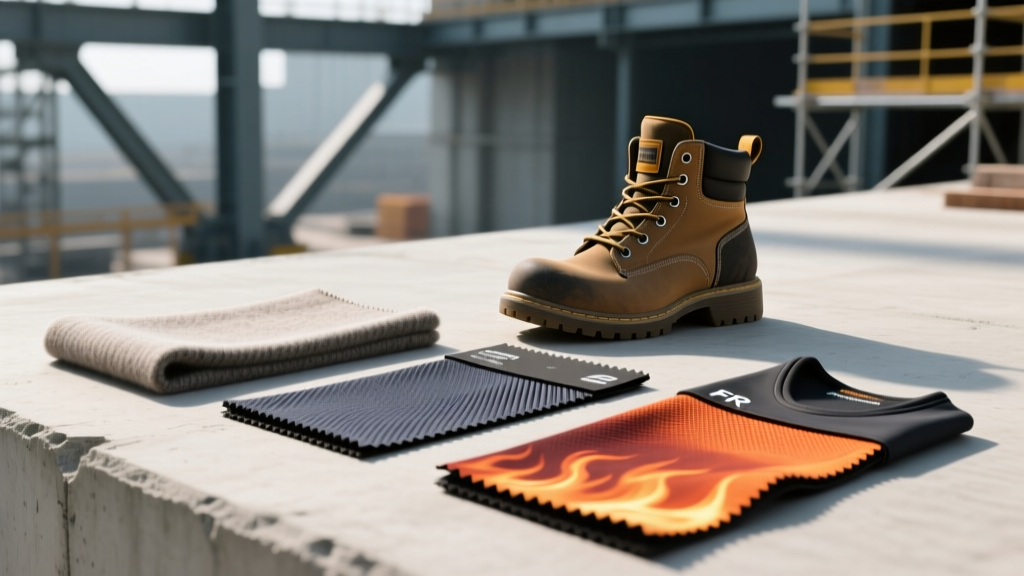
The Hidden PPE: Why Base Layer Material Dictates Site Safety
The outer shell of a construction worker's gear takes the brunt of the weather and physical abuse, but the base layer—specifically the underwear and undershirts worn directly against the skin—dictates core thermal regulation and safety. When safety managers and tradespeople ask what's the best material for underwear on the job site, the answer requires looking past retail fashion and focusing on thermal dynamics, friction management, and hazard-specific compliance.
Wearing the wrong base layer on a commercial build or residential framing site is not merely a comfort issue; it is a severe safety liability. Cotton, for example, retains up to 27 times its weight in water. In winter construction environments, a cotton t-shirt soaked in sweat from heavy lifting will rapidly sap body heat the moment the worker stops moving, accelerating the onset of hypothermia. According to the Occupational Safety and Health Administration (OSHA), improper clothing that fails to manage moisture is a primary contributing factor to cold-stress injuries on site.
The Material Matrix: Merino vs. Synthetics vs. FR Blends
To determine the optimal base layer, we must evaluate the three primary material categories used in modern construction workwear based on moisture-wicking capability, durability, and thermal retention.
| Material Type | Best Use Case | Moisture Management | Durability & Friction | Avg. Cost (2026) |
|---|---|---|---|---|
| Merino Wool (150-250 GSM) | Extreme cold, multi-day shifts, odor control | Absorbs 30% of weight in moisture without feeling wet | Moderate; prone to pilling under heavy tool belts | $65 - $110 |
| Synthetic Blends (Polyester/Spandex) | High-exertion summer work, roofing, framing | Hydrophobic; pushes sweat to outer layers via capillary action | High; resists abrasion from harnesses and tool pouches | $25 - $45 |
| Modacrylic / Nomex Blends | Electrical work, welding, arc-flash hazard zones | Moderate wicking; prioritizes thermal barrier over cooling | High; inherently flame-resistant, will not melt to skin | $80 - $140 |
| Cotton (Standard) | None (Avoid on active sites) | Traps moisture against the skin, destroying insulation | High friction when wet; causes severe chafing | $10 - $20 |
Merino Wool: The Cold-Weather Standard
For foundation pouring, steel erection in winter, and outdoor utility work, Merino wool is the undisputed champion of base layers. Unlike synthetic fibers that simply move liquid water away from the skin, the keratin protein structure of Merino wool is hygroscopic. It actively absorbs water vapor (sweat) into the core of the fiber while the outer surface remains hydrophobic. This creates a microclimate of warm, dry air against the skin.
Specification Guide: Look for Merino base layers in the 200 to 250 GSM (grams per square meter) range for winter construction. Brands like Smartwool and Icebreaker utilize core-spun technology, wrapping Merino fibers around a nylon core to increase tensile strength and prevent the fabric from tearing under the friction of a heavy canvas tool belt.
Synthetics: The High-Exertion Summer Solution
When the question of what's the best material for underwear shifts to high-heat environments—such as summer roofing or asphalt paving—synthetics take the lead. Polyester and nylon blends are entirely hydrophobic. They do not absorb water; instead, they use mechanical capillary action (engineered micro-channels in the yarn) to spread sweat across a massive surface area for rapid evaporation.
For construction underwear, ensure the synthetic blend contains no more than 5-8% spandex (elastane). Higher spandex content increases compression but drastically reduces the fabric's breathability and traps heat against the skin, defeating the purpose of a summer cooling layer.
The Arc-Flash Hazard: When Standard Underwear Becomes Lethal
For electricians, HVAC technicians working near high-voltage panels, and welders, standard synthetic underwear is a critical safety violation. Under the intense thermal energy of an arc flash, standard polyester and nylon will instantly melt, fusing directly to the skin and causing catastrophic, difficult-to-treat burns.
The NFPA 70E Standard for Electrical Safety in the Workplace explicitly mandates that base layers worn under Flame-Resistant (FR) outerwear must be non-melting. This is where Modacrylic and Nomex blends become mandatory.
Never wear standard polyester, nylon, or rayon underwear beneath FR-rated coveralls. According to ASTM F1506 guidelines, if an arc flash occurs, the outer FR layer may self-extinguish, but the heat transfer will melt the synthetic base layer underneath. Always specify inherently FR base layers (Modacrylic/Lenzing FR blends) for any Cat 2 or higher arc-flash task.
Decoding FR Base Layer Certifications
When procuring FR underwear for a crew, verify the garment tags for the following certifications:
- ASTM F1506: Standard Performance Specification for Flame-Resistant and Electric Arc-Rated Textile Materials for Wearing Apparel.
- NFPA 70E Compliance: Ensures the garment meets the required Arc Thermal Performance Value (ATPV) or Energy Breakopen Threshold (EBT) when layered.
- CAT 2 Rating: Most FR base layers provide an ATPV of 4 to 8 cal/cm², which, when layered under an FR shirt and jacket, helps the system achieve the necessary 8+ cal/cm² rating for standard panel work.
Friction Management and Seam Architecture
Material composition is only half the battle. Construction work involves repetitive motion, heavy lifting, and the constant rubbing of tool belts, fall-arrest harnesses, and knee pads. The best material for underwear will fail if the garment's construction causes inguinal or axillary chafing.
- Flatlock Seams: Reject any base layer with traditional overlock seams that leave a raised ridge of thread against the skin. Flatlock seams interlock the fabric edges flat, eliminating the friction point under a harness.
- Gusseted Crotches: A diamond-shaped gusset in the crotch of work underwear redistributes tension when climbing scaffolding or ladders, preventing the central seam from tearing and reducing skin friction.
- Tagless Printing: Woven tags at the nape of the neck or waistband act as abrasion points when wearing a hard hat strap or heavy tool belt. Look for screen-printed or heat-transferred care labels.
Base Layer Maintenance: Preserving Wicking and FR Ratings
A $90 Merino base layer or a $120 Modacrylic FR layer will lose its functional properties if laundered incorrectly on site or at home. The National Institute for Occupational Safety and Health (NIOSH) notes that improper PPE maintenance directly degrades thermal protection.
The 'Never Use' Laundry List
- Fabric Softeners: These coat fibers in a lipid-based film that completely destroys the capillary action of synthetics and blocks the hygroscopic pores of Merino wool.
- Bleach: Degrades the structural integrity of spandex and completely neutralizes the flame-resistant chemical bonds in FR-treated cotton.
- High-Heat Drying: Melts the elastane fibers in synthetic blends, causing the underwear to lose its shape and compressive support, leading to fabric bunching and subsequent chafing.
Final Procurement Strategy for Site Managers
Answering what's the best material for underwear requires matching the fiber to the specific trade and environmental hazard. Equip framing and roofing crews with hydrophobic polyester/spandex blends featuring flatlock seams for maximum sweat evaporation. Transition winter excavation and steel crews to 250 GSM core-spun Merino wool to prevent cold-stress injuries. Finally, strictly enforce ASTM F1506-compliant Modacrylic base layers for all electrical and hot-work trades to ensure that the foundational layer of PPE protects rather than endangers the worker.
Written by
Priya KapoorPriya Kapoor is a real estate market analyst and construction economics researcher with expertise in housing affordability, development feasibility, and infrastructure investment. She holds a Master of Regional Planning from Cornell University and previously worked as a senior analyst at CBRE's Investment Properties group, where she modeled returns for $4B in mixed-use development pipelines. Priya now runs an independent research practice advising developers, municipalities, and REITs on construction cost forecasting and market timing. She publishes the quarterly "BuildMat Market Pulse" report tracking material price indices across 12 commodity categories. Based in Austin, TX, Priya serves on the board of Habitat for Humanity Austin and is a marathon runner.
More from Priya Kapoor
View all
Construction Cost
Cost to Build a 1600 Sq Ft Home in 2026: Full Breakdown
Accurate 2026 cost to build a 1600 sq ft home—material, labor, and regional pricing breakdowns included. Plan your budget with real-time estimates.
Aug 11, 2026

Wood & Lumber
Name the Types of Wood for Pressure Treatment and Preservation
Learn how to name the types of wood best suited for pressure treatment. Compare species treatability, chemical retention levels, and 2026 preservation costs.
Aug 4, 2026

Stone & Masonry
Stone Veneer Suppliers Lindenhurst: 2026 Cost Analysis
Analyze 2026 stone veneer costs in Lindenhurst, NY. Compare local supplier pricing, delivery fees, and Suffolk County installation labor rates.
Aug 4, 2026