What Underwear Material Is Best for Women? Fabric Science Guide
Discover what underwear material is best for women. We analyze cotton, modal, merino wool, and synthetics using textile science data.
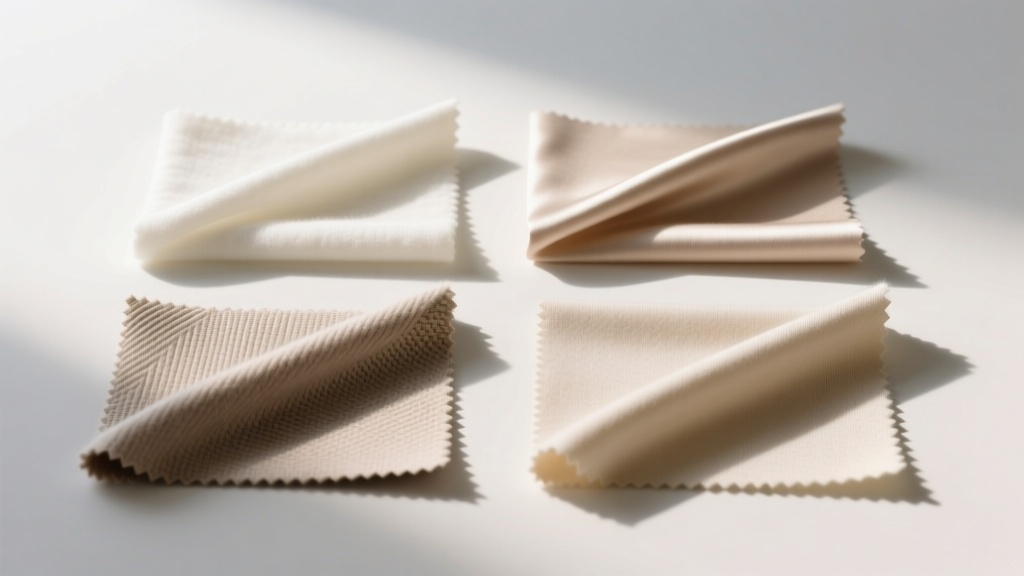
The Textile Engineering of Intimate Apparel
Selecting the optimal textile for intimate apparel requires evaluating fiber morphology, moisture vapor transmission rates (MVTR), and microbiological impact. The skin microclimate in the pelvic region is highly sensitive to humidity and temperature fluctuations. When evaluating what underwear material is best for women, textile engineers and dermatologists look beyond basic comfort to analyze how different polymer structures interact with human physiology, sweat composition, and the local microbiome.
This material overview deconstructs the primary fiber categories used in women's underwear—natural cellulosics, semi-synthetic rayons, protein fibers, and synthetic polymers—providing a data-driven framework for material selection based on specific physiological and environmental demands.
Natural Cellulosics: Cotton and the Microbiome
Cotton (Gossypium) remains the clinical baseline for intimate apparel due to its high breathability and hydrophilic (water-attracting) nature. The fiber's molecular structure contains abundant hydroxyl (-OH) groups, which readily form hydrogen bonds with water molecules. This allows cotton to absorb significant moisture, but it also means the fabric retains that moisture against the skin, which can be problematic in high-humidity environments.
Staple Length and Tensile Durability
Not all cotton is engineered equally. The durability and pilling resistance of cotton underwear are dictated by the fiber's staple length:
- Upland Cotton: Comprises the majority of the market. Staple lengths range from 22mm to 30mm. Prone to pilling and mechanical degradation after repeated laundering.
- Extra-Long Staple (ELS) Cotton (Supima/Pima): Staple lengths exceed 34mm. ELS fibers produce smoother, stronger yarns with significantly higher resistance to abrasive wear and a superior hand-feel. For everyday wear, ELS cotton offers the best balance of dermal health and textile longevity.
From a clinical perspective, the breathability of cotton is paramount. According to the Mayo Clinic, wearing breathable, cotton-crotch underwear is a primary preventative measure against vulvovaginal candidiasis (yeast infections), as it prevents the trapping of heat and moisture that facilitates fungal proliferation.
Semi-Synthetics: Modal, Lyocell, and the 'Bamboo' Misconception
Semi-synthetic fibers are derived from natural cellulose (usually wood pulp) but are chemically dissolved and extruded through spinnerets to form continuous filaments. These materials offer a silk-like drape and high initial moisture absorption.
Modal and Lyocell (Tencel)
Modal, typically derived from beechwood pulp, is engineered for high wet-strength and exceptional softness. It boasts a moisture absorption rate approximately 50% higher than standard cotton per unit volume. Lyocell, produced via a closed-loop solvent spinning process, is highly regarded for its environmental profile and smooth fiber surface, which minimizes dermal friction.
The Federal Trade Commission (FTC) strictly regulates textile labeling. Unless a fabric is made directly from mechanically processed bamboo fibers (which is rare and resembles coarse linen), it must be labeled as 'rayon' or 'rayon made from bamboo.' The chemical process required to turn hard bamboo into soft underwear completely strips the plant of its natural antimicrobial properties. Consumers paying a premium for 'antimicrobial bamboo underwear' are often purchasing standard viscose rayon.

Protein Fibers: Ultrafine Merino Wool's Microclimate Control
Merino wool is a complex protein fiber composed of keratin. While historically associated with heavy winter garments, modern textile engineering has produced ultrafine merino (17.5 microns or less) that is exceptionally soft and suitable for direct skin contact.
Merino wool excels in dynamic moisture management. The fiber's cortex is hydrophilic, capable of absorbing up to 30% of its weight in moisture vapor without feeling damp. Simultaneously, the epicuticle (outer layer) is hydrophobic, repelling liquid water. This dual-action mechanism allows merino wool to buffer rapid changes in skin humidity, making it an elite material for women engaging in multi-day backcountry activities or temperature-variable environments where laundry access is restricted. Furthermore, the keratin structure naturally resists odor-causing bacteria, extending the garment's usable lifecycle between washes.
Synthetic Polymers: Capillary Wicking in Nylon and Polyester
Synthetic fibers like Polyamide (Nylon 6,6) and Polyester (PET) are inherently hydrophobic. They do not absorb moisture into the fiber core. Instead, modern athletic underwear utilizes engineered yarn cross-sections—such as trilobal or channel-shaped profiles—to move liquid sweat away from the skin via capillary action.
While synthetics offer superior mechanical stretch, rapid drying times, and high abrasion resistance, they pose microbiological risks for everyday wear. The hydrophobic nature of polyester can trap sebum and dead skin cells in the fabric matrix, leading to the proliferation of Micrococcus bacteria, which generates persistent malodors. The American College of Obstetricians and Gynecologists (ACOG) advises against prolonged use of tight, non-breathable synthetic garments to maintain optimal vaginal flora and prevent contact dermatitis.
Material Comparison Matrix
| Fiber Classification | Specific Material | Moisture Management | Wet Tensile Strength | Optimal GSM Range | Best Use Case |
|---|---|---|---|---|---|
| Natural Cellulosic | Supima Cotton | Absorbs & Retains | Increases when wet | 140 - 180 g/m² | Everyday wear, sleep, sensitive skin |
| Semi-Synthetic | Lyocell (Tencel) | High Absorption, Moderate Release | Decreases slightly when wet | 120 - 160 g/m² | Luxury everyday, low-impact leisure |
| Protein | Ultrafine Merino (17.5µm) | Vapor Buffering & Slow Release | Decreases when wet | 150 - 175 g/m² | Travel, hiking, temperature regulation |
| Synthetic | Nylon 6,6 / Spandex Blend | Surface Wicking (Capillary) | Unaffected | 130 - 160 g/m² | High-intensity athletics, seamless designs |
Decision Framework: Matching Material to Activity
Determining what underwear material is best for women requires mapping the fiber's physical properties to the user's specific physiological output and environmental conditions.
Sedentary, Sleep, and Clinical Health
For low-activity periods, sleep, or individuals prone to contact dermatitis and fungal imbalances, 100% Extra-Long Staple Cotton is the undisputed optimal choice. The target fabric weight should be between 140 and 160 GSM (grams per square meter) to ensure adequate airflow. Avoid synthetic elastics in the primary gusset area; look for garments with a 100% cotton-lined gusset at minimum.
High-Output Athletics and Friction Environments
During high-intensity interval training, running, or cycling, cotton's moisture retention becomes a liability, leading to chafing and thermal drag. Nylon-Spandex blends (typically 80% Polyamide / 20% Elastane) are required. The nylon provides rapid capillary wicking and high abrasion resistance against the inner thigh, while the elastane ensures the garment maintains compression and structural integrity during repetitive biomechanical movements.
Multi-Day Travel and Variable Climates
When laundry access is restricted, or when transitioning between extreme cold and heated interiors, Ultrafine Merino Wool provides unmatched microclimate buffering. Its natural odor resistance allows a single garment to be worn multiple times without microbiological degradation of the fabric environment.
Chemical Safety and Dermal Certifications
Because intimate apparel maintains prolonged, direct contact with highly permeable mucosal tissues and sensitive dermal layers, chemical finishing agents used in textile manufacturing (such as formaldehyde resins, AZO dyes, and perfluorinated chemicals) pose significant health risks.
When sourcing materials, verify that the textile holds OEKO-TEX Standard 100 certification. Specifically, look for Product Class II, which mandates rigorous testing limits for harmful substances in garments worn directly against the skin. This certification ensures the fabric's pH value is skin-friendly and that it is free from regulated allergenic and carcinogenic dyes, providing a critical layer of quality assurance beyond basic fiber composition.
Written by
James ThorntonJames Thornton is a construction industry veteran with 25 years of hands-on experience in wood framing, lumber grading, and residential building codes. He started as a framing carpenter in rural Oregon, earned his ICC Residential Building Inspector certification, and eventually became a senior plan reviewer for the City of Portland Bureau of Development Services. James holds a B.S. in Wood Science & Technology from Oregon State University and is a certified lumber grader through the West Coast Lumber Inspection Bureau (WCLIB). He has inspected over 3,000 residential construction sites and authored the city's internal guide on advanced framing techniques (2x6 at 24" O.C.). James lives in Bend, OR, where he builds custom timber-frame cabins and competes in lumberjack sports.
More from James Thornton
View all
Insulation
Best Home Insulation Materials: Complete 2026 Guide
Compare top home insulation materials for 2026. Find R-values, installed costs per square foot, and best uses for fiberglass, spray foam, and mineral wool.
Aug 4, 2026

Sustainable Building
Certify Your Green Building Material for LEED and WELL
Step-by-step guide to certifying a green building material for LEED v5 and WELL v2. Master EPDs, HPDs, and VOC limits for 2026 project specifications.
Aug 4, 2026

Stone & Masonry
Veneer Stacked Stone Panels: Interior Design & Style Showcase
Discover how veneer stacked stone panels transform interiors. Explore modern design profiles, material pairings, and technical installation specs.
Aug 4, 2026