Window Insulation Guide: Matching Methods to Home Scenarios
Match the right window insulation to your home scenario. Compare costs, R-values, and acoustic ratings for historic, cold, and urban environments.
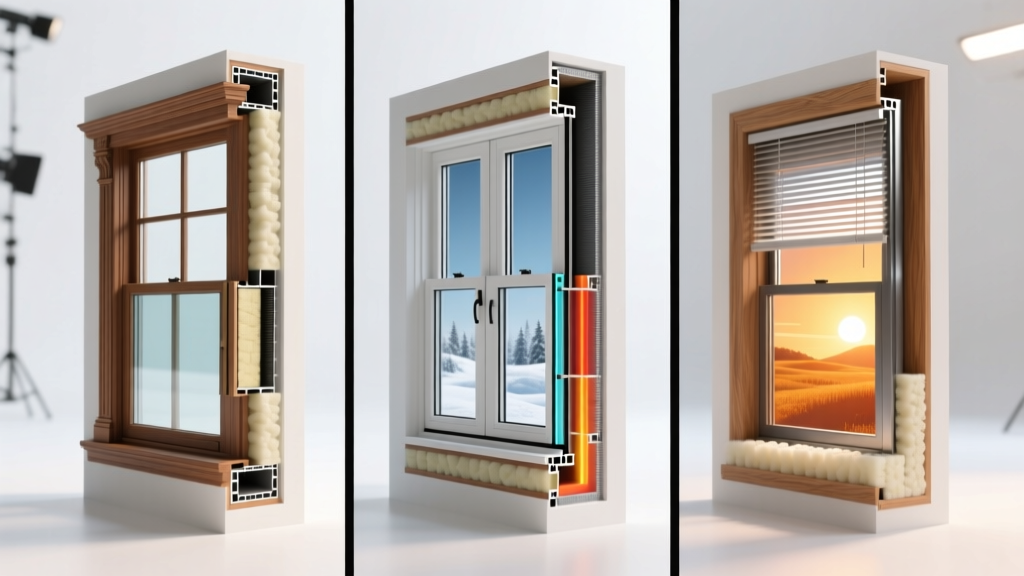
The Window Insulation Scenario-Matching Framework
Windows account for 25% to 30% of residential heating and cooling energy loss. While full window replacement is the ultimate fix, it costs between $800 and $1,500+ per opening and is often prohibited in historic districts or impractical for renters. Modern window insulation attachments offer a targeted, high-ROI alternative, but their effectiveness depends entirely on application fit. A solution that maximizes thermal resistance in a freezing climate might fail catastrophically by trapping moisture in a humid, historic home.
According to the U.S. Department of Energy, properly selected window attachments can reduce window heat loss by up to 50%. To achieve this, you must match the insulation method to your specific structural, climatic, and acoustic scenario.
Quick-Reference Scenario Matrix
| Home Scenario | Primary Goal | Recommended Solution | Added R-Value | Est. Cost (per sq. ft.) |
|---|---|---|---|---|
| Historic / Single-Pane | Preservation & Draft Stopping | Low-E Interior Film / Interior Storms | +1.1 to +2.0 | $2.50 - $8.00 |
| Extreme Cold Climate | Maximum Thermal Resistance | Cellular Shades with Side Tracks | +3.5 to +5.0 | $12.00 - $22.00 |
| Urban / High-Traffic | Acoustic Dampening & Thermal | Acrylic Compression Inserts | +1.5 to +2.5 | $25.00 - $35.00 |
| Rental / Temporary | Budget & Non-Destructive | Heat-Shrink Film Kits | +1.0 to +1.3 | $0.75 - $1.50 |
Scenario 1: Historic and Single-Pane Homes (Preservation Focus)
Owners of pre-1950s homes face a unique challenge: original single-pane wavy glass and wooden sashes are architecturally significant but thermally disastrous (R-0.9). Exterior storm windows can alter the facade, and replacing them outright destroys historical integrity.
Interior Low-E Films and Compression Storms
For historic preservation, the Attachments Energy Rating Council (AERC) recommends interior solutions that do not alter the exterior envelope. 3M Thinsulate Climate Control Window Film (specifically the CC70 series) applies directly to the interior glass. It reflects long-wave infrared heat back into the room, bumping a single-pane window's R-value from 0.9 to approximately 2.1. Crucially, it maintains 70% visible light transmission, preserving the historic aesthetic.
Never apply interior insulating film to single-pane glass if you have unsealed, exterior wooden storm windows. The interior film keeps the primary glass cold in winter. If warm, moist indoor air bypasses the interior film and hits the freezing primary glass, it will condense and pool on the wooden sill, causing rapid rot. Always ensure the primary window sash is weatherstripped before applying interior film.
Scenario 2: Extreme Cold Climates (Maximum R-Value Focus)
In zones experiencing prolonged sub-zero temperatures (IECC Climate Zones 6 and 7), the goal is absolute thermal resistance. Standard blinds or drapes fail here because they allow 'convective looping'—cold air sinks at the glass, pulls warm air from the top of the treatment, and creates a continuous draft cycle.
Sealed Cellular Shades and Insulated Shutters
To defeat convective looping, you must use cellular (honeycomb) shades equipped with edge-sealing side tracks. The Hunter Douglas Duette Architella line features a honeycomb-within-a-honeycomb construction, creating four distinct air pockets. When paired with a ComforTrack side-track system that seals the edges to the window frame, this setup achieves an added R-value of up to 4.8, bringing a double-pane window's total assembly R-value to nearly 8.0.
Installation Nuance: The Bottom Rail Seal
A common failure mode in extreme cold is leaving a gap at the bottom rail of the cellular shade. Cold air pooling at the sill will migrate under the shade. Specify a magnetic bottom-rail seal or a weighted weatherstrip sweep when ordering custom cellular shades to ensure an airtight boundary at the sill.
Scenario 3: High-Traffic Urban Areas (Acoustic and Thermal Focus)
Urban dwellers dealing with street noise, sirens, and HVAC hum need window insulation that addresses Sound Transmission Class (STC) ratings alongside thermal metrics. Standard fiberglass or foam treatments do nothing for low-frequency sound waves.
Acoustic Compression Inserts
Products like Indow Acoustic Inserts utilize a laser-measured acrylic pane edged with a patented silicone compression tube. The insert presses tightly into the interior window frame, creating an airtight dead-air space between the primary glass and the acrylic. This assembly yields an STC rating of 38 to 45, effectively reducing exterior noise by up to 70%. Because the acrylic is optically clear and the tube is nearly invisible, it serves as both a premium thermal barrier (adding R-1.5 to R-2.0) and a high-end acoustic solution without requiring structural modifications to the window frame.
Scenario 4: Budget Rentals and Temporary Fixes
Renters and homeowners on a strict budget need non-destructive, low-cost window insulation that can be removed without damaging trim or glass.
Heat-Shrink Film Kits
Polyolefin heat-shrink kits (such as those by Frost King or 3M) remain the most cost-effective temporary insulation. The double-sided tape adheres to the casing, the film is stretched over the opening, and a hair dryer shrinks it drum-tight, creating a sealed dead-air pocket.
- Surface Prep: Clean the window casing with isopropyl alcohol. Do not use standard glass cleaner, as the ammonia and surfactants leave a residue that degrades the tape adhesive.
- Temperature Check: Apply the tape only when the casing surface is above 50°F (10°C). Adhesive polymers fail to bond properly to cold wood or vinyl.
- Curing Time: Press the tape firmly and wait 2 hours before applying the film. This allows the pressure-sensitive adhesive to flow into the microscopic pores of the casing.
- Shrinking: Use a hair dryer on high heat, starting from the center and moving outward in concentric circles to prevent uneven tension wrinkles.
Cost and ROI Breakdown by Method
When evaluating window insulation, calculate the payback period based on local energy costs. The ENERGY STAR program notes that upgrading from single-pane to high-efficiency attachments can save up to 15% on heating bills.
| Insulation Method | Avg. Cost per 3x5 Window | Lifespan | Estimated Annual Energy Savings | Payback Period |
|---|---|---|---|---|
| Shrink Film Kit | $12 - $18 | 1 Season | $15 - $25 | Immediate |
| Low-E Interior Film | $60 - $90 | 10 - 15 Years | $30 - $45 | 1.5 - 2.5 Years |
| Cellular Shade (Tracked) | $250 - $400 | 15 - 20 Years | $40 - $65 | 5 - 7 Years |
| Acoustic Acrylic Insert | $400 - $600 | 20+ Years | $35 - $50 | 8 - 12 Years |
Common Failure Modes and Edge Cases
Even the best window insulation materials fail if installed without considering building physics. Watch for these specific edge cases:
- Interstitial Condensation: If an interior insulation method is too effective, the primary exterior glass drops below the outdoor dew point. In humid climates, this causes condensation on the outside of the primary glass, which can freeze and damage exterior seals. Ensure the primary window has adequate exterior ventilation or weep holes.
- Thermal Stress Fractures: Applying dark or highly reflective Low-E films to the interior pane of a double-pane window can cause the inner glass to heat up significantly while the outer glass remains cold. This thermal gradient can shatter tempered or annealed glass. Always check the film manufacturer's 'thermal stress warranty' and avoid applying interior film to double-pane units unless explicitly rated for it.
- Off-Gassing in Vinyl Frames: Some adhesive tapes used in shrink films and interior storms can chemically react with vinyl window frames in high UV environments, causing permanent discoloration. Use UV-stable, acrylic-based adhesive tapes specifically formulated for vinyl extrusions.
By diagnosing your specific structural and climatic scenario first, you can select a window insulation method that delivers precise thermal and acoustic performance without triggering secondary building envelope failures.