Stone Veneer Fieldstone: The Ultimate Buyer's Selection Guide
Compare natural and manufactured stone veneer fieldstone. Explore 2026 costs, technical installation specs, and top brand profiles for your build.

Decoding Fieldstone Veneer: Natural vs. Manufactured
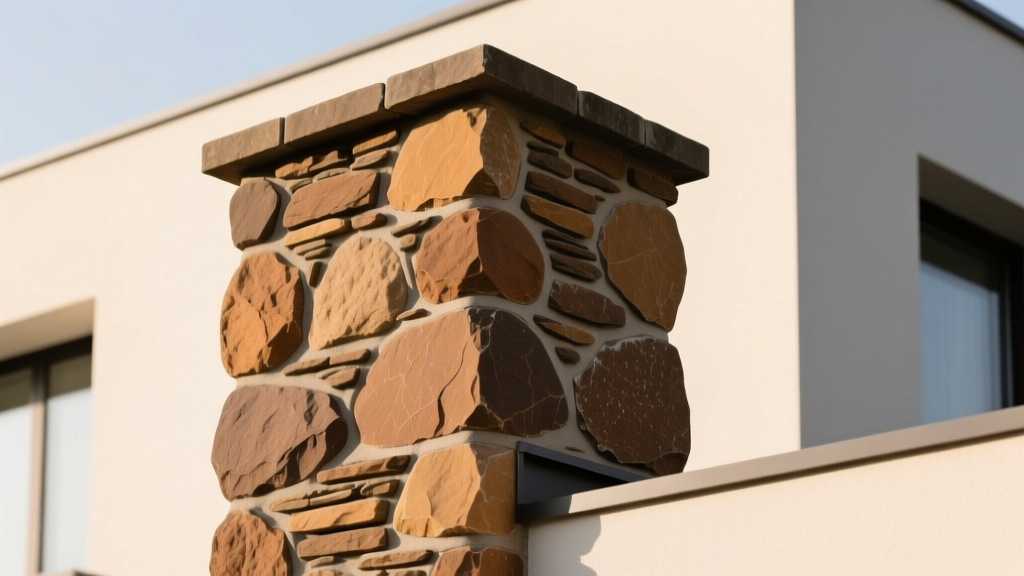
Fieldstone is characterized by its naturally rounded, uncut, and irregular shapes, historically gathered from fields and streambeds. When translated into stone veneer fieldstone profiles, this aesthetic provides a rustic, organic texture that contrasts sharply with the rigid geometry of ledgestone or ashlar patterns. For buyers and specifiers, the primary decision hinges on choosing between quarried natural fieldstone and cast manufactured concrete veneer. Both deliver the same visual impact, but their structural requirements, pricing, and installation methodologies differ significantly.
| Feature | Natural Fieldstone Veneer | Manufactured Fieldstone Veneer |
|---|---|---|
| Material Composition | Quarried natural stone (granite, basalt, river rock) | Portland cement, lightweight aggregates, iron oxide pigments |
| Weight (per sq. ft.) | 15 – 25 lbs | 8 – 12 lbs |
| Thickness | 1.5 to 3 inches | 0.75 to 2.5 inches |
| Structural Support | Often requires masonry ledge or structural reinforcement | Can be applied directly to standard wood/steel stud walls |
| Color Consistency | High variance; subject to quarry vein changes | Controlled via pigments; consistent across production runs |
The Buyer’s Decision Framework
Selecting the right stone veneer fieldstone requires aligning material properties with your project's structural realities and budget constraints. Use the following framework to finalize your specification.
Specify Natural Fieldstone If:
- The project is a high-end custom build where budget is secondary to authenticity.
- The structure already features a poured concrete or block masonry substrate capable of supporting 20+ lbs per square foot.
- You are cladding a landscape retaining wall, outdoor kitchen, or exterior foundation where concrete veneer might degrade from constant soil moisture and impact.
Specify Manufactured Fieldstone If:
- You are retrofitting an existing wood-framed structure (e.g., adding a stone facade to a standard vinyl-sided home).
- The design calls for interior applications like a full-height fireplace surround where heavy natural stone would require floor joist reinforcement.
- You require strict color matching across multiple phases of a large commercial or residential development.
2026 Cost Breakdown: Material, Labor, and Hidden Expenses
Pricing for stone veneer fieldstone has stabilized following the supply chain disruptions of the early 2020s, though regional labor rates continue to dictate the final project cost. The table below outlines the national average costs for 2026.
| Cost Category | Manufactured Veneer | Natural Stone Veneer |
|---|---|---|
| Material Only | $5.50 – $9.00 / sq. ft. | $9.00 – $16.00 / sq. ft. |
| Substrate Prep (WRB, Lath, Scratch Coat) | $2.50 – $4.00 / sq. ft. | $2.50 – $4.00 / sq. ft. |
| Mortar & Accessories | $1.00 – $1.50 / sq. ft. | $1.00 – $1.50 / sq. ft. |
| Professional Installation Labor | $12.00 – $18.00 / sq. ft. | $18.00 – $28.00 / sq. ft. |
| Total Installed Cost | $21.00 – $32.50 / sq. ft. | $30.50 – $49.50 / sq. ft. |
Note: Complex architectural features, such as radius walls, deep window returns, or intricate corner detailing, will increase labor costs by 15% to 25% due to the time required to cut and fit irregular fieldstone shapes.
Critical Installation Specifications to Prevent Failure
The most common failure modes in stone veneer fieldstone installations—efflorescence, spalling, and substrate rot—are entirely preventable through strict adherence to building science principles. According to standards outlined by the International Association of Certified Home Inspectors (InterNACHI), moisture management is the single most critical factor in exterior veneer longevity.
1. Weather-Resistive Barrier (WRB) and Weep Screeds
Never install stone veneer directly over raw sheathing or unprepared masonry. Exterior wood-framed walls require two layers of Grade D building paper or a high-performance fluid-applied WRB. At the base of the wall, a corrosion-resistant weep screed (minimum 0.019-inch thick galvanized steel) must be installed. The weep screed must maintain a minimum 4-inch clearance above final grade or 2 inches above paved surfaces to prevent soil moisture from wicking into the stone assembly.
2. Metal Lath and Scratch Coat
Use a minimum 2.5 lb per square yard self-furring galvanized metal lath. The self-furring dimples ensure the lath stands away from the WRB, allowing the scratch coat mortar to fully encapsulate the wire mesh. The scratch coat must be a minimum 3/8-inch thick and allowed to cure for at least 24 to 48 hours before setting the fieldstone.
3. Mortar Selection and Application
Choosing the correct mortar is vital for structural integrity and preventing chemical staining. The Portland Cement Association categorizes mortar by compressive strength and flexibility. For exterior stone veneer fieldstone, Type N mortar (750 psi compressive strength) is generally recommended for its optimal balance of adhesion and flexibility, which accommodates thermal expansion. Type S mortar (1,800 psi) is too rigid for standard veneer applications and can lead to cracking or stone spalling during freeze-thaw cycles. When installing manufactured stone, always utilize a polymer-modified setting mortar specifically approved by the manufacturer to ensure proper bonding to the concrete substrate.
Top Manufacturer Profiles for Fieldstone Veneer
If you are specifying manufactured stone veneer fieldstone, these three industry leaders offer the most realistic molds and durable pigment formulations on the market.
- Eldorado Stone (Fieldstone Profile): Eldorado's Fieldstone profile is cast from actual hand-selected river rocks. It features deep, rounded edges and a highly varied color palette, particularly in their 'Charcoal' and 'Sage' blends. Their proprietary efflorescence-reducing admixtures make them a top choice for high-humidity climates. Review their official installation guidelines for specific mortar requirements.
- Cultured Stone (Fieldstone Profile): As the original inventor of manufactured stone, Cultured Stone offers a Fieldstone profile that leans slightly more angular than Eldorado's, mimicking dry-stacked glacial till. It is exceptionally lightweight (approx. 8 lbs/sq. ft.) and features a 50-year limited warranty.
- Coronado Stone (River Rock & Fieldstone): Coronado provides a thicker, more robust fieldstone profile that bridges the gap between traditional river rock and standard fieldstone. Their 'Weathered Fieldstone' colorway is highly sought after for Craftsman and rustic-modern architectural styles.
Frequently Asked Questions
Can stone veneer fieldstone be installed as a dry-stack application?
True dry-stack installation (without mortar) is generally not recommended for fieldstone profiles. Because fieldstone shapes are highly irregular and rounded, they lack the flat, uniform bedding planes required for structural stability in a dry-stack assembly. Dry-stack techniques are reserved for ledgestone or ashlar profiles. Fieldstone must be installed using a grouted mortar joint technique, typically with a 0.5-inch to 1-inch recessed joint, to lock the irregular stones in place and prevent water infiltration behind the cladding.
How do I clean efflorescence off my newly installed fieldstone veneer?
Efflorescence (white, powdery salt deposits) is common in the first 6 to 12 months after installation as moisture migrates through the cementitious materials and mortar. Do not use muriatic acid or high-pressure power washers, as these will degrade the mortar joints and strip pigments from manufactured stone. Instead, allow the stone to dry completely and use a stiff, non-metallic bristle brush to sweep the deposits away. For stubborn buildup, use a specialized efflorescence remover formulated specifically for manufactured stone veneer.
Does natural fieldstone require a masonry ledge?
While thin-cut natural stone veneer (under 1.5 inches thick and under 15 lbs/sq. ft.) can be applied using the same lath-and-mortar methods as manufactured stone, traditional full-thickness natural fieldstone almost always requires a structural masonry ledge. This typically involves a poured concrete foundation step or a steel angle iron bolted to the foundation to bear the immense dead load of the stone. Always consult a structural engineer before specifying full-thickness natural stone for elevated wall sections.
Written by
Priya KapoorPriya Kapoor is a real estate market analyst and construction economics researcher with expertise in housing affordability, development feasibility, and infrastructure investment. She holds a Master of Regional Planning from Cornell University and previously worked as a senior analyst at CBRE's Investment Properties group, where she modeled returns for $4B in mixed-use development pipelines. Priya now runs an independent research practice advising developers, municipalities, and REITs on construction cost forecasting and market timing. She publishes the quarterly "BuildMat Market Pulse" report tracking material price indices across 12 commodity categories. Based in Austin, TX, Priya serves on the board of Habitat for Humanity Austin and is a marathon runner.
More from Priya Kapoor
View all
Construction Cost
Cost to Build a 1600 Sq Ft Home in 2026: Full Breakdown
Accurate 2026 cost to build a 1600 sq ft home—material, labor, and regional pricing breakdowns included. Plan your budget with real-time estimates.
Aug 11, 2026

Wood & Lumber
Name the Types of Wood for Pressure Treatment and Preservation
Learn how to name the types of wood best suited for pressure treatment. Compare species treatability, chemical retention levels, and 2026 preservation costs.
Aug 4, 2026

Stone & Masonry
Stone Veneer Suppliers Lindenhurst: 2026 Cost Analysis
Analyze 2026 stone veneer costs in Lindenhurst, NY. Compare local supplier pricing, delivery fees, and Suffolk County installation labor rates.
Aug 4, 2026