Eco Friendly Roofing Materials: 2026 Cost vs Benefit Guide
Compare upfront costs and lifetime ROI of eco friendly roofing materials. Data-driven analysis of metal, solar, cool roofs, and synthetic slate.

The Financial Reality of Sustainable Roofing
Transitioning to eco friendly roofing materials is no longer just an environmental statement; it is a complex financial calculation involving upfront capital, energy offsets, and lifecycle durability. As building codes tighten and energy costs fluctuate in 2026, homeowners and commercial developers must weigh the initial premium of green roofing against long-term dividends. The cheapest option at installation rarely yields the lowest cost per year of service. This guide dissects the exact costs, hidden expenses, and measurable benefits of the leading sustainable roofing systems on the market.
Upfront vs. Lifetime Cost Matrix
The following data reflects national average installed costs for a standard 2,000-square-foot residential roof (20 squares) with a 6/12 pitch. Costs include tear-off of one existing layer, synthetic underlayment, and standard flashing.
| Material Type | Installed Cost (per sq. ft.) | Total Project Avg. | Expected Lifespan | End-of-Life Recyclability |
|---|---|---|---|---|
| Cool Roof Asphalt (e.g., CertainTeed Solaris) | $4.50 - $7.00 | $9,000 - $14,000 | 20 - 30 Years | Low (Landfill) |
| Recycled Synthetic Slate (e.g., Euroshield) | $9.00 - $14.00 | $18,000 - $28,000 | 50+ Years | 100% Recyclable |
| Standing Seam Metal (e.g., ATAS International) | $12.00 - $18.00 | $24,000 - $36,000 | 40 - 70 Years | 100% Recyclable |
| Integrated Solar Shingles (e.g., GAF Timberline Solar) | $16.00 - $25.00 | $45,000 - $70,000 | 25 - 30 Years | Moderate (E-Waste) |
Deep Dive: ROI and Performance by Material Type
1. Integrated Solar Roof Shingles
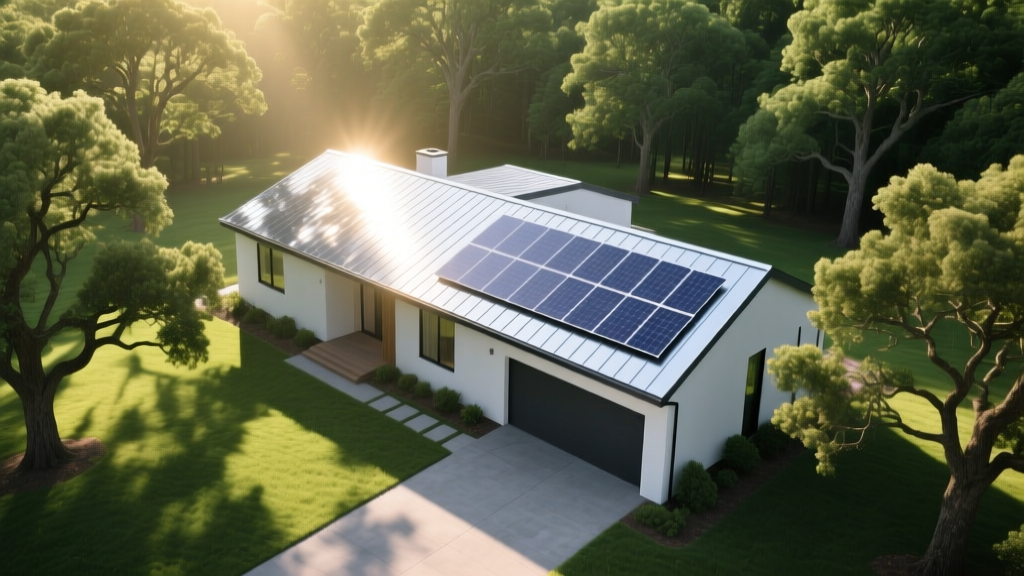
Products like the GAF Timberline Solar and Tesla Solar Roof merge weatherproofing with energy generation. Unlike rack-mounted panels, these shingles lay flush with the roofline. The primary benefit is the offset of utility costs and eligibility for the 30% Federal Solar Tax Credit (ITC), which remains fully active under current Department of Energy guidelines.
The Catch: Solar shingles are less efficient than traditional rack-mounted panels (typically 18-20% efficiency vs. 22%+ for premium panels) because they lack the airflow gap that keeps traditional panels cool. Heat degrades photovoltaic output. Furthermore, if a micro-inverter fails in year 15, replacing it requires unsealing and lifting the surrounding shingles, increasing maintenance costs.
2. Standing Seam Metal Roofing
Manufactured from 25% to 95% recycled steel or aluminum, metal roofing is the undisputed champion of lifecycle durability. A 24-gauge galvalume standing seam roof will easily outlast the mortgage on the house. The reflective pigments in modern Kynar 500 paint systems yield a Solar Reflectance Index (SRI) of 50+, drastically reducing cooling loads.
Failure Mode Alert: The most common point of failure in metal roofing is galvanic corrosion. If an installer uses copper flashing against steel panels without a proper dielectric separation membrane, the dissimilar metals will react in the presence of rainwater, destroying the steel within a decade. Always specify ASTM-compliant isolation tapes.
3. Cool Roof Asphalt Shingles
For budgets that cannot accommodate metal or solar, cool roof asphalt shingles (like CertainTeed Landmark Solaris) offer a middle ground. These utilize specialized solar-reflective granules that bounce UV radiation away from the attic space. According to the EPA's Heat Island Effect database, cool roofs can reduce peak cooling demand by 10% to 15%.
The Catch: The albedo (reflectivity) of cool shingles degrades over time. In humid climates, dark algae streaks (Gloeocapsa magma) will colonize the roof within 5 to 7 years, nullifying the reflective benefit. To protect your ROI, you must install zinc or copper ridge vents that wash heavy metals down the roof plane during rain, inhibiting algae growth.
4. Recycled Synthetic Slate
Brands like Euroshield manufacture thick, impact-resistant shingles from up to 70% recycled tire rubber and plastic polymers. They mimic the aesthetic of heavy slate but weigh a fraction of the amount, eliminating the need for structural truss reinforcement. They boast a Class 4 impact resistance rating (UL 2218), which frequently qualifies homeowners for 15% to 30% discounts on property insurance premiums in hail-prone regions.
Never pair a premium eco-friendly roof with cheap felt paper. For metal and synthetic slate, specify a high-temperature, self-adhering synthetic underlayment (e.g., Grace Ice & Water Shield or Titanium UDL). The underlayment is your true secondary water barrier; skimping here compromises a 50-year roof system.
The Benefit Side: Energy Savings and Federal Incentives
The 'benefit' column of the cost vs benefit ledger extends far beyond simple longevity. It includes active energy generation, passive thermal regulation, and tax liabilities.
- The 30% ITC Advantage: If you install a $50,000 integrated solar roof, the Federal Investment Tax Credit yields a $15,000 dollar-for-dollar reduction in your federal tax liability. This effectively drops the net cost to $35,000, bringing the price-per-watt in line with traditional rack-mounted systems.
- HVAC Downsizing: When building new construction, utilizing a highly reflective cool roof or ventilated metal roof can reduce the required tonnage of your HVAC system. Saving $3,000 on HVAC equipment offsets the roofing premium immediately.
- Insurance Premiums: Class 4 impact-resistant materials (recycled rubber and heavy-gauge metal) routinely trigger insurance discounts that save $300 to $600 annually, compounding over the life of the roof.
Hidden Costs and Structural Edge Cases
Surface-level quotes rarely account for the structural and logistical realities of sustainable materials. Budget for the following edge cases:
While synthetic slate is light, if you opt for recycled clay tiles or genuine reclaimed slate, the weight can exceed 800 lbs per square. An older home's trusses will require a structural engineer's assessment and potential sistering of rafters, adding $4,000 to $8,000 to the project before the first shingle is laid.
- Flashing Complexity: Eco-materials require specialized flashings. Metal roofs need Z-flashing with neoprene gaskets; solar roofs require specialized conduit routing through the attic. Standard step-flashing used in asphalt will void most green roofing warranties.
- Waste Disposal Fees: If tearing off an existing roof, landfill tipping fees have surged in 2026. However, if you are tearing off an old metal roof, scrap yards will actually pay you for the recycled steel, turning a disposal cost into a minor rebate.
- Inverter Replacements: For solar roofs, the panels may last 30 years, but the micro-inverters typically carry a 15-year warranty. Budget $2,500 to $4,000 for an inverter replacement cycle at the midpoint of the roof's life.
Decision Framework: Matching Material to Project Profile
Use this matrix to determine which eco friendly roofing material aligns with your specific financial and environmental goals.
Profile A: The Long-Term Holder
Goal: Install once, never replace, maximize home equity.
Winner: Standing Seam Metal.
Why: The 50-year lifespan and 100% recyclability make it the ultimate legacy asset. The high upfront cost is amortized over decades of zero maintenance.
Profile B: The Energy Maximizer
Goal: Achieve net-zero energy, leverage tax credits.
Winner: Integrated Solar Shingles.
Why: The 30% ITC drastically alters the ROI timeline. Best suited for new builds or roofs in the final years of their life where a full tear-off is already required.
Profile C: The Budget-Conscious Upgrader
Goal: Improve efficiency without taking a second mortgage.
Winner: Cool Roof Asphalt.
Why: Only a 10-15% premium over standard shingles, but yields immediate HVAC savings. Ideal for homes you plan to sell within 10 years.
Profile D: The Hail-Prone Region
Goal: Survive extreme weather, lower insurance premiums.
Winner: Recycled Synthetic Rubber.
Why: Class 4 impact resistance absorbs 2-inch hail without fracturing, unlike traditional slate or standard asphalt, ensuring continuous protection and lower premiums.
Selecting eco friendly roofing materials requires looking past the initial contractor estimate. By calculating the lifecycle cost, factoring in federal tax incentives, and anticipating maintenance realities like inverter replacements or algae mitigation, you can choose a system that delivers both ecological integrity and uncompromising financial return.
Written by
Priya KapoorPriya Kapoor is a real estate market analyst and construction economics researcher with expertise in housing affordability, development feasibility, and infrastructure investment. She holds a Master of Regional Planning from Cornell University and previously worked as a senior analyst at CBRE's Investment Properties group, where she modeled returns for $4B in mixed-use development pipelines. Priya now runs an independent research practice advising developers, municipalities, and REITs on construction cost forecasting and market timing. She publishes the quarterly "BuildMat Market Pulse" report tracking material price indices across 12 commodity categories. Based in Austin, TX, Priya serves on the board of Habitat for Humanity Austin and is a marathon runner.
More from Priya Kapoor
View all
Construction Cost
Cost to Build a 1600 Sq Ft Home in 2026: Full Breakdown
Accurate 2026 cost to build a 1600 sq ft home—material, labor, and regional pricing breakdowns included. Plan your budget with real-time estimates.
Aug 11, 2026

Wood & Lumber
Name the Types of Wood for Pressure Treatment and Preservation
Learn how to name the types of wood best suited for pressure treatment. Compare species treatability, chemical retention levels, and 2026 preservation costs.
Aug 4, 2026

Stone & Masonry
Stone Veneer Suppliers Lindenhurst: 2026 Cost Analysis
Analyze 2026 stone veneer costs in Lindenhurst, NY. Compare local supplier pricing, delivery fees, and Suffolk County installation labor rates.
Aug 4, 2026