Dutch Lap Siding Durability: Lifespan & Weather Resistance Analysis
Analyze the durability and lifespan of dutch lap siding across vinyl, fiber cement, and wood. Compare costs, failure modes, and weather resistance.
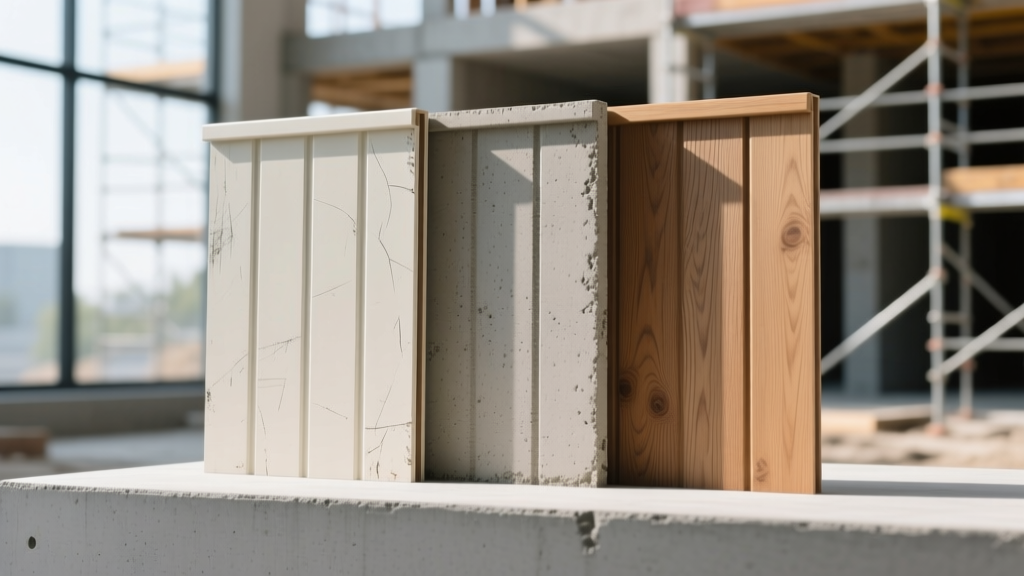
The Geometry of Dutch Lap: How Profile Dictates Durability
When evaluating exterior cladding, contractors often focus exclusively on the substrate—vinyl, fiber cement, or engineered wood. However, the physical profile of the board fundamentally alters its weather resistance and structural longevity. Dutch lap siding is defined by a distinct concave bevel at the top edge of each board, which creates a deep, dramatic shadow line (typically 5/8-inch to 3/4-inch deep) where the boards overlap.
This geometry is not merely aesthetic. The concave curve creates a micro-trough at the overlapping joint. While this deep shadow line enhances the traditional architectural appeal of Craftsman and Colonial homes, it introduces specific capillary action risks and wind-load variables that flat clapboard or beaded profiles do not face. Understanding how this specific profile interacts with modern substrates is critical for predicting true lifespan and preventing premature envelope failure.
Material Lifespan Matrix: Dutch Lap Across Core Substrates
The durability of a dutch lap installation is a multiplier of the material's inherent lifespan and the profile's geometric vulnerabilities. Below is a comparative analysis of the four primary substrates used for dutch lap profiles in the current market.
| Substrate Material | Expected Lifespan | Standard Thickness | Primary Profile Failure Mode | 2026 Avg. Installed Cost |
|---|---|---|---|---|
| Virgin Vinyl | 30 - 50 Years | 0.044" - 0.048" | Wind uplift tearing at the concave interlock | $5.50 - $8.50 / sq.ft. |
| Fiber Cement | 50+ Years | 5/16" (0.3125") | Moisture wicking into the unsealed top bevel | $10.00 - $15.00 / sq.ft. |
| Engineered Wood | 30 - 50 Years | 7/16" (0.4375") | Fungal decay if the concave trough traps debris | $8.00 - $12.50 / sq.ft. |
| Natural Wood (Cedar) | 15 - 30 Years | 1/2" - 5/8" | Cupping and splitting along the milled curve | $14.00 - $22.00 / sq.ft. |
Critical Failure Modes in Dutch Lap Profiles
Because the dutch lap profile features a carved-out depression, it behaves differently under extreme weather conditions compared to standard flat lap siding. Installers must account for two specific failure modes unique to this geometry.
⚠️ Warning: The Capillary Moisture Trap
In flat clapboard siding, water sheets directly off the overlapping joint. In dutch lap siding, the concave bevel creates a slight horizontal shelf at the top of the underlying board. If the overlap is less than 1.25 inches, wind-driven rain can bypass the joint and pool in this concave trough. According to moisture management guidelines from the Building America Solution Center, capillary action can draw this pooled water upward into the substrate. Correction: Always mandate a minimum 1.25-inch overlap for dutch lap profiles (exceeding the standard 1-inch minimum for flat lap) and apply a continuous bead of sealant at the end-joints to prevent lateral water migration into the trough.
💡 Pro Tip: Wind Uplift and the Aerodynamic Lip
The deep shadow line of a dutch lap profile acts as a minor aerodynamic lip. During high-wind events (90+ mph), negative pressure can catch this lip, creating exponential uplift forces on the interlock mechanism. When specifying vinyl dutch lap in High-Velocity Hurricane Zones (HVHZ), ensure the product is tested to ASTM D3679 standards for wind load resistance, specifically requiring a minimum thickness of 0.048 inches and reinforced nailing hems to prevent the interlock from unzipping under negative pressure.
Thermal Expansion and Fastener Tolerances
When utilizing vinyl or engineered wood dutch lap, the milled curve restricts the board's natural ability to flex laterally compared to flat profiles. This makes precise fastener placement non-negotiable to prevent buckling, which can permanently deform the concave shape.
- Nail Placement: Fasteners must be driven dead-center in the nailing slot. Off-center nailing restricts thermal movement, causing the board to warp against the concave bevel.
- Clearance Gap: Leave exactly 1/32-inch between the nail head and the siding hem. The panel must hang on the nail, not be pinned to the sheathing.
- End-Joint Spacing: Maintain a 1/4-inch gap at all end-joints and utility penetrations. In northern climate zones where temperature swings exceed 100°F annually, increase this gap to 3/8-inch to accommodate winter contraction and summer expansion.
2026 Cost vs. Lifespan ROI Breakdown
Calculating the true return on investment for dutch lap siding requires factoring in the initial installation, the expected maintenance cycle, and the material's end-of-life replacement cost. The data below reflects national averages for 2026, factoring in recent supply chain stabilizations in cementitious and polymer markets.
Lifecycle Cost Analysis (Per 2,000 Sq.Ft. Exterior)
1. Fiber Cement (e.g., James Hardie HZ10 Dutch Lap)
Initial Cost: $24,000 | Maintenance (Paint every 15 yrs): $8,000 | 50-Year Total: $32,000
ROI Verdict: Highest upfront cost, but lowest lifecycle cost due to extreme rot and impact resistance.
2. Premium Vinyl (e.g., CertainTeed CedarBoards Insulated Dutch Lap)
Initial Cost: $14,000 | Maintenance: $0 | 50-Year Total: $14,000 (Assuming no storm replacement)
ROI Verdict: Best pure financial ROI, though susceptible to hail damage and extreme UV fading over decades.
3. Engineered Wood (e.g., LP SmartSide ExpertFinish Dutch Lap)
Initial Cost: $19,000 | Maintenance (Touch-ups/Sealing): $3,500 | 50-Year Total: $22,500
ROI Verdict: Excellent middle-ground. Offers the deep shadow lines of wood with the structural stability of OSB, backed by robust fungal-decay warranties.
Expert Verdict: Selecting the Right Dutch Lap for Your Climate Zone
The durability of dutch lap siding is ultimately dictated by matching the substrate's physical properties to your specific International Energy Conservation Code (IECC) climate zone.
Zone 1-3 (Hot-Humid / Coastal): Avoid natural wood and standard engineered wood. The concave trough will trap ambient moisture and organic debris, accelerating fungal growth. Specify fiber cement (such as James Hardie's HZ10 line), which features a proprietary drip edge and cementitious core that is entirely impervious to rot and termite intrusion. Ensure a rainscreen gap (like Keene Driwall) is installed behind the siding to allow the concave joints to dry rapidly.
Zone 4-6 (Mixed / Cold): Insulated vinyl dutch lap is highly recommended. The foam backing not only improves the wall assembly's R-value but also provides rigid support behind the concave curve, drastically reducing the risk of impact damage from hail or flying debris. The interlocking hem of premium vinyl also accommodates the severe freeze-thaw expansion cycles without compromising the weather seal.
Zone 7-8 (Very Cold / Subarctic): Fiber cement or thick engineered wood (minimum 7/16-inch) performs best. Vinyl becomes brittle at sub-zero temperatures, and the aerodynamic lip of the dutch lap profile can snap under heavy snow-load shear or extreme wind chill events. Fiber cement maintains its structural rigidity regardless of temperature drops, ensuring the deep shadow lines remain intact and functional for decades.