The Ultimate Aluminum Siding Maintenance and Cleaning Playbook
Restore your home's exterior with our expert aluminum siding maintenance playbook. Learn exact cleaning ratios and oxidation removal.
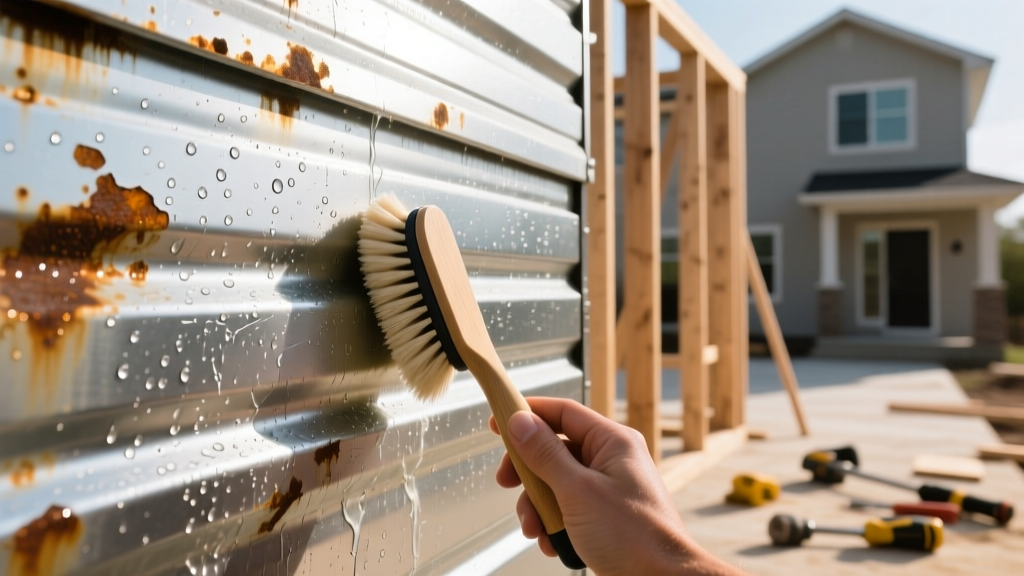
The Metallurgy of Maintenance: Why Aluminum Siding Degrades
Unlike steel siding, which fails through progressive iron oxide flaking (rust), aluminum siding relies on a microscopic layer of aluminum oxide to protect the core metal. While this makes aluminum highly resistant to structural corrosion, the factory-applied baked enamel or acrylic coating eventually breaks down under UV exposure. When the coating fails, the aluminum oxide layer thickens and manifests as "chalking"—a powdery, white residue that transfers to clothing and degrades curb appeal. According to The Aluminum Association, this oxidation layer is structurally protective but aesthetically destructive if left untreated.
Furthermore, residential aluminum siding is remarkably thin, typically ranging from 0.019 to 0.024 inches. This low gauge makes it highly susceptible to denting from high-pressure washing and impact damage, requiring a specialized, low-impact maintenance approach that differs vastly from concrete or heavy-gauge steel cleaning protocols.
Material Contrast: Aluminum vs. Steel Siding Vulnerabilities
- Steel Siding: Prone to rust if the galvanized or Galvalume coating is scratched. Requires immediate touch-up with zinc-rich primers to prevent structural perforation.
- Aluminum Siding: Will not rust, but suffers from UV-induced chalking and galvanic corrosion when placed in direct contact with dissimilar metals (like copper gutters or untreated steel flashing).
- Dent Resistance: Steel (24-gauge) can withstand minor hail; aluminum (0.024") will dent from moderate hail or aggressive pressure washing.
The 4-Stage Deep Cleaning Playbook
Standard pressure washing is the leading cause of permanent damage to aluminum siding. Water forced behind the overlapping panels can cause interior sheathing rot, while excessive PSI will crease the metal. Follow this soft-wash protocol instead.
Stage 1: Dry Prep & Pre-Rinse
Before applying any chemicals, use a soft-bristle push broom to remove loose cobwebs, pollen, and dry oxidation powder. Follow this with a low-pressure water rinse (under 800 PSI) using a standard garden hose to saturate nearby landscaping. Pre-wetting plants prevents chemical burn from the cleaning solutions used in Stage 2.
Stage 2: Chemical Formulation Matrix
Select your cleaning agent based on the specific biological or chemical failure mode present on the siding. Never mix ammonia-based cleaners with bleach.
| Condition | Recommended Cleaner | Mixing Ratio (per Gallon) | Dwell Time |
|---|---|---|---|
| Light Dirt & Pollen | Dawn Ultra Dish Soap | 1/4 cup soap | 3-5 minutes |
| Mildew & Black Algae | Jomax House Cleaner + Bleach | 1 part Jomax, 4 parts water, 1 cup 5.25% bleach | 5-10 minutes |
| Heavy Chalking / Oxidation | Krud Kutter Exterior Siding Cleaner | Undiluted or 1:1 with water | 10-15 minutes |
| Hard Water Stains | White Vinegar & Water | 1:1 ratio | 5 minutes |
Stage 3: The Soft-Wash Application
Apply the chosen solution using a pump sprayer or a specialized soft-wash system. Work from the bottom up to prevent streaking, which occurs when dirty water runs down over dry, porous oxidized aluminum. Agitate stubborn areas with a synthetic-bristle detailing brush. Never use wire brushes or steel wool, as embedded steel particles will rapidly rust and stain the aluminum surface.
Stage 4: Controlled Rinsing
Rinse from the top down. If you must use a pressure washer to reach second-story elevations, restrict the machine to a maximum of 1,200 PSI, use a 40-degree white nozzle tip to widen the spray pattern, and maintain a strict 12-inch distance from the siding. The Environmental Protection Agency (EPA) recommends thorough rinsing of exterior biological treatments to prevent soil contamination and protect local waterways.
Troubleshooting Playbook: Oxidation, Mold, and Galvanic Corrosion
Even with regular cleaning, aluminum siding presents unique failure modes that require targeted interventions.
Diagnosing and Treating Severe Chalking
Perform the "Dark Cloth Test": rub a dark microfiber towel firmly against the dry siding. If the cloth comes away with a heavy white, chalky residue, the factory coating has completely failed. Standard washing will not remove this. You must apply a dedicated oxidization remover (such as Bio-Kleen M00505) and scrub with a medium-bristle brush. If you plan to repaint the siding, you must first etch the surface and apply a Direct-To-Metal (DTM) acrylic latex primer to bind the new paint to the oxidized substrate.
Managing Persistent Biological Growth
If green algae or black mold returns within weeks of cleaning, the issue is likely environmental shading and moisture retention, not chemical failure. Trim back tree branches to allow a minimum of 4 hours of direct UV exposure daily. For north-facing elevations, apply a residual biocide like Wet & Forget after the initial cleaning; these products use wind and rain to slowly inhibit biological regrowth over 6 to 12 months without requiring scrubbing.
Annual Maintenance Calendar & Cost Expectations
Proactive maintenance extends the lifespan of aluminum siding from 20 years to over 40 years. Below is a structured annual playbook for homeowners and property managers.
| Season | Maintenance Task | DIY Material Cost | Professional Service Cost |
|---|---|---|---|
| Spring | Full soft-wash cleaning; inspect for winter impact dents. | $40 - $85 | $0.15 - $0.30 / sq. ft. |
| Summer | Touch-up paint on scratches; check galvanic separation at rooflines. | $25 - $50 | $150 - $250 / hr. |
| Autumn | Clear gutters to prevent overflow water from cascading over siding. | $0 (Labor only) | $75 - $200 flat rate |
| Winter | Visual inspection for ice dam water intrusion behind panels. | $0 | Included in roof inspection |
Expert Preservation Protocols
For long-term preservation, avoid applying silicone-based sealants to the bottom laps of aluminum siding panels. Aluminum siding systems are designed to "breathe," allowing condensation that forms behind the panels to evaporate and drain. Sealing the bottom laps traps moisture against the interior substrate and accelerates hidden mold growth, a common failure noted in exterior building envelope studies documented by The Family Handyman.
Finally, if your aluminum siding has reached the point of severe, irreversible chalking and you opt to repaint, avoid standard exterior latex paints. Specify a 100% acrylic Direct-To-Metal (DTM) coating. DTM paints contain specialized adhesion promoters that chemically bond to the aluminum oxide layer, providing a flexible, UV-resistant finish that will not peel when the metal expands and contracts during seasonal temperature shifts. Properly maintained and correctly painted, aluminum siding remains one of the most durable, lightweight, and fire-resistant cladding options available in modern construction.