Cabot Australian Timber Oil: Lifespan & Durability Analysis
Analyze the durability, lifespan, and failure modes of Cabot Australian Timber Oil on exotic hardwoods and softwoods. Expert maintenance guide.
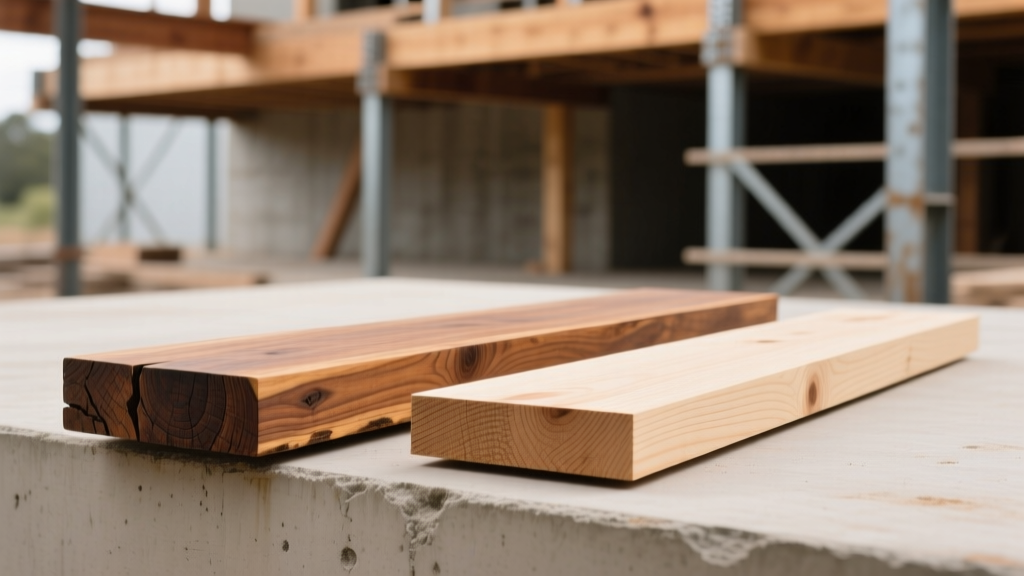
The Chemistry of Penetration vs. Film-Forming Finishes
When evaluating exterior wood coatings, the most critical distinction is whether a product forms a surface film or penetrates the wood cellular structure. Cabot Australian Timber Oil is engineered specifically as a deep-penetrating, non-film-forming finish. Unlike polyurethanes or solid acrylic stains that sit on top of the wood and eventually crack or peel, this formulation utilizes a blend of linseed oil, alkyd resins, and transparent iron oxide pigments to soak into the wood fibers.
As of current 2026 environmental regulations, Cabot has widely transitioned this product line to an Advanced Waterborne Alkyd formulation in many regions to comply with strict VOC (Volatile Organic Compound) limits set by the EPA and regional air quality boards. This waterborne alkyd technology mimics the deep penetration and ambering effect of traditional solvent-based oils while allowing for soap-and-water cleanup and faster dry times. The transparent iron oxide pigments are crucial for durability; unlike carbon black pigments found in cheaper stains, iron oxides absorb and scatter UV radiation without obscuring the natural hardwood grain.
Lifespan Matrix: Substrate Density and UV Exposure
The durability of any penetrating oil is inextricably linked to the density of the substrate and its exposure to ultraviolet light. Dense tropical hardwoods have tightly packed cellular structures that limit oil absorption, meaning the finish remains closer to the surface and degrades faster under UV exposure. Conversely, porous softwoods absorb the oil deeply, but their softer lignin breaks down faster.
| Wood Species | Janka Hardness | Horizontal Deck Lifespan | Vertical Fence Lifespan | Coverage Rate (per Gallon) |
|---|---|---|---|---|
| Ipe (Brazilian Walnut) | 3,510 lbf | 12 - 18 Months | 3 - 4 Years | 150 - 200 sq. ft. |
| Cumaru (Brazilian Teak) | 3,330 lbf | 12 - 18 Months | 3 - 4 Years | 150 - 200 sq. ft. |
| Western Red Cedar | 350 lbf | 2 - 3 Years | 4 - 6 Years | 250 - 350 sq. ft. |
| Pressure-Treated Pine | 690 lbf | 1.5 - 2 Years | 3 - 5 Years | 200 - 300 sq. ft. |
Primary Failure Modes and Edge Cases
Understanding how Cabot Australian Timber Oil fails is the key to preventing premature reapplication. Based on data and field testing principles outlined by the USDA Forest Products Laboratory, penetrating oils rarely fail catastrophically; they degrade gradually. However, specific edge cases can cause rapid failure.
1. Mill Glaze (Planer Burnish)
Newly milled hardwoods often suffer from 'mill glaze'—a condition where the heat and pressure from industrial planers compress the wood fibers and draw natural resins to the surface, creating an impermeable barrier. If Australian Timber Oil is applied over mill glaze, it cannot penetrate. It will cure on the surface and wash away after the first heavy rain. Solution: Always sand new hardwoods with 60-grit or 80-grit sandpaper to open the pores before application.
2. Moisture Trapping and Blistering
Applying oil to wood with an internal moisture content (MC) above 15% traps water inside the cellular structure. When the sun heats the deck, the trapped moisture turns to vapor and pushes outward, causing the oil finish to blister and delaminate. Solution: Use a pinless moisture meter to verify the wood is below 15% MC before opening the can.
3. UV Chalking on Horizontal Surfaces
On horizontal surfaces receiving direct, unshaded sunlight, UV radiation will eventually break down the lignin in the wood directly beneath the oil. The finish doesn't necessarily wash off; rather, the wood substrate itself turns to gray dust (chalking), taking the oil pigment with it. This is why horizontal lifespan is strictly limited to 12-18 months on exotic woods, regardless of the finish brand.
The 15% Moisture Rule and Surface Prep Protocol
The longevity of Cabot Australian Timber Oil is 80% dependent on surface preparation and 20% dependent on the application technique. Follow this exact protocol to maximize the lifespan of the finish.
- Weather and Acclimate: Allow new wood to weather for 30-60 days, or use a commercial wood cleaner/brightener to accelerate the opening of the pores. Ensure the wood is completely dry.
- Moisture Verification: Test multiple boards in shaded and sun-exposed areas with a moisture meter. Do not proceed if any reading exceeds 15%.
- Abrasive Prep: Sand the surface using 60-grit to 80-grit abrasive pads. Never use 120-grit or higher. Fine grits polish the wood and close the cellular pathways, preventing the alkyd resins from penetrating deeply.
- Solvent Wipe (For Exotics): For oily woods like Ipe or Teak, wipe the surface with denatured alcohol or a dedicated solvent right before staining to remove surface tannins and natural oils that repel the finish.
- Application and Back-Brushing: Apply using a high-quality natural bristle brush or a stain pad. Work in manageable sections (3-4 boards at a time) and immediately back-brush to force the oil into the grain and wipe away any pooling.
Maintenance Economics: Recoat vs. Strip
One of the primary economic advantages of using a penetrating oil like Cabot Australian Timber Oil over film-forming sealers is the maintenance cycle. When a film-forming polyurethane fails, it requires expensive, labor-intensive chemical stripping and heavy mechanical sanding to remove the peeling flakes.
Penetrating oils simply fade and wear away. When the deck begins to look dry or gray, maintenance requires only a light cleaning with a dedicated deck wash (like Cabot Problem-Cleaner) and a direct reapplication of the oil. No stripping or heavy sanding is required. Over a 10-year period, the labor savings of a 'wash-and-recoat' cycle easily offsets the higher upfront material cost of premium penetrating oils compared to cheaper acrylic alternatives that require full stripping every three years.
Frequently Asked Questions
Can I use Cabot Australian Timber Oil on standard pressure-treated pine?
Yes, but it is not always the most cost-effective choice. The product is specifically engineered with high solids and premium resins to tackle the dense, difficult-to-penetrate cellular structure of exotic hardwoods. On highly porous pressure-treated pine, a standard semi-transparent oil-based stain (like Cabot's standard Semi-Transparent line) will provide similar protection at a lower cost per square foot, as pine readily absorbs less expensive formulations.
Why does the finish look glossy and tacky after drying?
If the finish remains tacky or looks glossy after 24-48 hours, you have over-applied the product. The wood reached its absorption capacity, and the excess oil is curing on the surface. Immediately wipe the surface with clean, lint-free rags dampened with mineral spirits (for solvent-based versions) or warm soapy water (for waterborne alkyd versions) to remove the unabsorbed excess. Warning: Dispose of oil-soaked rags in a sealed metal container with water to prevent spontaneous combustion.
Does the waterborne alkyd version perform as well as the old oil-based formula?
In terms of UV protection and water repellency, the modern Advanced Waterborne Alkyd formulation performs nearly identically to the legacy solvent-based formula. The primary difference is in application dynamics: the waterborne version dries significantly faster, meaning you must maintain a 'wet edge' and work in smaller sections to avoid lap marks. It also raises the grain of softwoods slightly more than solvent-based oils, making the 80-grit sanding prep step even more critical.