Cedar Wood Fence Lifespan: Durability Analysis and Decay Prevention
Analyze the true lifespan of a cedar wood fence across climate zones. Learn expert installation tactics, hardware specs, and decay prevention methods.
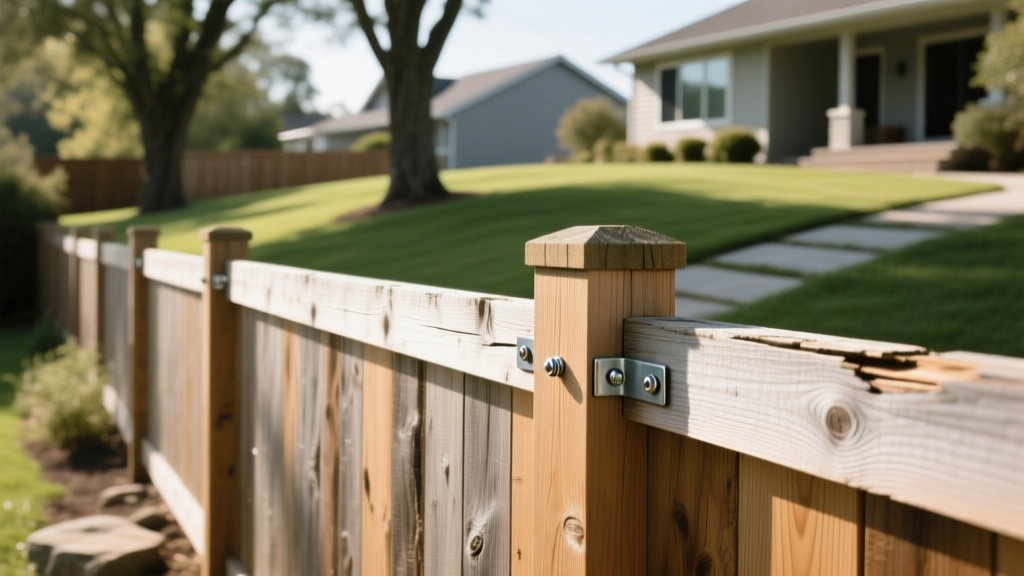
The Biological Shield: Extractives and Heartwood Grading
The durability of a cedar wood fence is not inherent to the species name alone; it is strictly dictated by the concentration of natural extractives, specifically thujaplicins and water-soluble phenolic compounds. These extractives act as natural fungicides and insect repellents. However, they are almost exclusively concentrated in the heartwood. The sapwood (the outer, lighter-colored rings of the tree) contains virtually no decay-resistant extractives and will rot rapidly when exposed to soil moisture.
When sourcing lumber for a cedar wood fence, specifying the grade is critical. For fence pickets, a "Select Tight Knot" (STK) grade offers a balance of aesthetics and structural integrity, provided the knots are tight and not decayed. For structural posts that will contact the ground or be set in concrete, you must specify 100% Heartwood or "Clear Heart" grades. According to the USDA Forest Products Laboratory Wood Handbook, the natural decay resistance of western red cedar heartwood can yield a service life of 15 to 25 years in ground contact, whereas sapwood will fail in less than 3 years under identical conditions.
Real-World Lifespan Expectancies by Climate Zone
A cedar wood fence does not age uniformly across different geographies. UV radiation degrades the surface lignin (causing silvering), while ambient humidity and soil moisture drive fungal decay. The table below outlines expected lifespans based on regional climate data, assuming standard 4x4 heartwood posts and 1x6 STK pickets.
| Climate Zone | Primary Degradation Vector | Panel Lifespan (Unmaintained) | Post Lifespan (Ground Contact) |
|---|---|---|---|
| Arid / Desert (e.g., Phoenix, AZ) | UV degradation, thermal checking | 25–30+ years | 20–25 years |
| Temperate Continental (e.g., Chicago, IL) | Freeze-thaw cycling, seasonal moisture | 20–25 years | 12–18 years |
| Humid Subtropical (e.g., Atlanta, GA) | Fungal decay, termite pressure | 15–20 years | 8–12 years |
| Marine West Coast (e.g., Seattle, WA) | Constant moisture, moss/lichen growth | 20–25 years | 15–20 years |
Critical Failure Points in Cedar Fencing
Most cedar fences do not fail because the wood itself rots uniformly; they fail at specific, predictable vulnerability points. Identifying and mitigating these failure modes during installation is the difference between a 10-year fence and a 30-year fence.
1. The Ground-Line Rot Matrix
The most lethal zone for any wood post is the ground line—the exact intersection where soil moisture, oxygen, and ambient temperatures converge to create an ideal incubator for wood-decaying fungi.
Pouring concrete directly around a cedar post and leaving the top flat or sloping it toward the wood is the most common cause of premature post failure. Concrete is porous; it wicks groundwater and traps it against the wood. Furthermore, as the cedar post naturally shrinks and expands with seasonal moisture changes, a micro-gap forms between the wood and the concrete. Rainwater enters this gap and cannot escape, accelerating rot at the base.
The Fix: Set the post on a 6-inch bed of compacted drain gravel. If using concrete for lateral stability, pour a bell-shaped pier and stop the concrete 2 inches below grade. Backfill the remaining 2 inches with soil, or slope the concrete cap away from the post at a strict 15-degree angle to shed water.
2. Hardware Corrosion and Tannin Bleed
Cedar is rich in tannic acid. When tannins react with iron or standard zinc-plated fasteners, two things occur: severe black streaking (tannin bleed) and rapid corrosion of the fastener, leading to structural failure. Electroplated zinc nails (the shiny silver ones) have a coating measured in millionths of an inch and will fail in a cedar fence within 3 to 5 years.
Hardware Specifications: You must use Hot-Dipped Galvanized (HDG) fasteners meeting ASTM A153 standards, or Type 304 / 316 Stainless Steel. Aluminum fasteners and brackets must be strictly avoided, as aluminum reacts violently with cedar tannins, causing pitting and white oxidation powder that compromises the joint.
Material Selection: Western Red vs. Eastern White Cedar
Not all cedar is equal. The species you choose fundamentally alters the structural parameters and lifespan of your fence.
| Feature | Western Red Cedar (Thuja plicata) | Eastern White Cedar (Thuja occidentalis) |
|---|---|---|
| Extractive Content | High (Thujaplicins) | Moderate (Thujopsene) |
| Density & Weight | ~23 lbs/ft³ (Heavier, more rigid) | ~19 lbs/ft³ (Lighter, more brittle) |
| Dimensional Stability | Excellent (Low shrinkage factor) | Very Good |
| Knot Structure | Tight, structurally sound knots | Frequent, loose or "dead" knots |
| Best Application | Tall privacy fences (6ft+), high-wind zones | Short picket fences, decorative enclosures |
For fences exceeding 6 feet in height or located in regions with high wind loads, Western Red Cedar is the mandatory choice due to its superior modulus of rupture and tighter grain structure. The Western Red Cedar Lumber Association (WRCLA) provides extensive grading rules that ensure structural predictability for these larger applications.
Actionable Preservation Framework: Staining vs. Sealing
A common misconception is that cedar must be sealed immediately to prevent graying. Graying is purely a cosmetic UV reaction (photodegradation of lignin) and does not compromise structural integrity. However, if you wish to preserve the natural amber hue and reduce surface checking (splitting), the type of finish you apply is critical.
- Avoid Film-Forming Finishes: Varnishes, polyurethanes, and solid-color acrylic stains form a plastic-like film on the wood surface. As the cedar expands and contracts, this film cracks, trapping moisture underneath and leading to peeling and accelerated hidden rot.
- Use Penetrating Oil-Based Stains: Semi-transparent, oil-based alkyd stains (such as TWP 1500 Series or Penofin) penetrate the wood cellular structure. They contain trans-oxide pigments that block UV rays without forming a surface film. These finishes weather away gradually and can be reapplied without sanding or stripping.
- Application Timing: Do not stain new cedar immediately. Freshly milled cedar has a high moisture content and a "mill glaze" that prevents stain penetration. Allow the fence to weather for 3 to 6 months, or until the wood moisture content drops below 15%, before applying the first coat of penetrating oil.
Expert Installation Tactics for Maximum Longevity
Beyond post-setting and hardware selection, integrating specific architectural details into the fence design will drastically extend its lifespan.
- Install a Rot Board (Gravel Board): Never let fence pickets touch the soil. Install a pressure-treated 2x6 or a composite rot board horizontally along the bottom of the fence, resting on the ground. Attach the cedar pickets to this board, leaving a 1-inch gap between the picket bottoms and the soil line. This prevents ground moisture from wicking up into the end-grain of the cedar pickets via capillary action.
- Cap the Horizontal Rails: Flat horizontal 2x4 rails act as water catchment basins. Install sloped cedar rail caps (beveled at a 15-degree angle) or metal flashing over the top edges of all horizontal rails to shed water and prevent pooling.
- End-Grain Sealing: The end-grain of wood absorbs water up to 50 times faster than the face-grain. Any field cuts made to posts or rails during installation must be immediately sealed with a copper naphthenate-based end-grain sealer or a heavy coat of penetrating oil stain.
Frequently Asked Questions
Does staining a cedar fence actually make it last longer structurally?
Staining primarily protects against UV degradation and surface checking (cracking). It does not significantly prevent deep fungal rot in ground-contact posts. Structural longevity is achieved through proper heartwood selection, gravel-base post setting, and keeping the wood off the soil, not through surface stains.
Can I use cedar posts in direct soil contact without pressure treatment?
Yes, but only if you are using 100% heartwood grades. If the posts contain sapwood (the white outer edges), they will rot at the ground line within 3 to 5 years. For guaranteed longevity in direct soil contact, many builders prefer pressure-treated Southern Yellow Pine posts for the structural framework, attaching the cedar pickets to the treated rails, combining the rot-resistance of treatment with the beauty of cedar.
How do I clean a cedar fence that has turned black or green?
Black streaks are usually tannin bleed reacting with iron fasteners or mildew; green is algae. Clean the fence using a specialized wood cleaner containing oxalic acid (wood brightener). Oxalic acid neutralizes tannin stains and kills surface fungi. Avoid high-pressure power washing (over 1,500 PSI), as it will blast away the soft earlywood rings, leaving a fuzzy, ribbed surface that traps more dirt in the future.