The Redwood Maintenance Playbook: Cleaning, Sealing, and Restoration
Master redwood maintenance with our expert playbook. Learn exact cleaning protocols, sealer comparisons, and tannin troubleshooting for decks and siding.
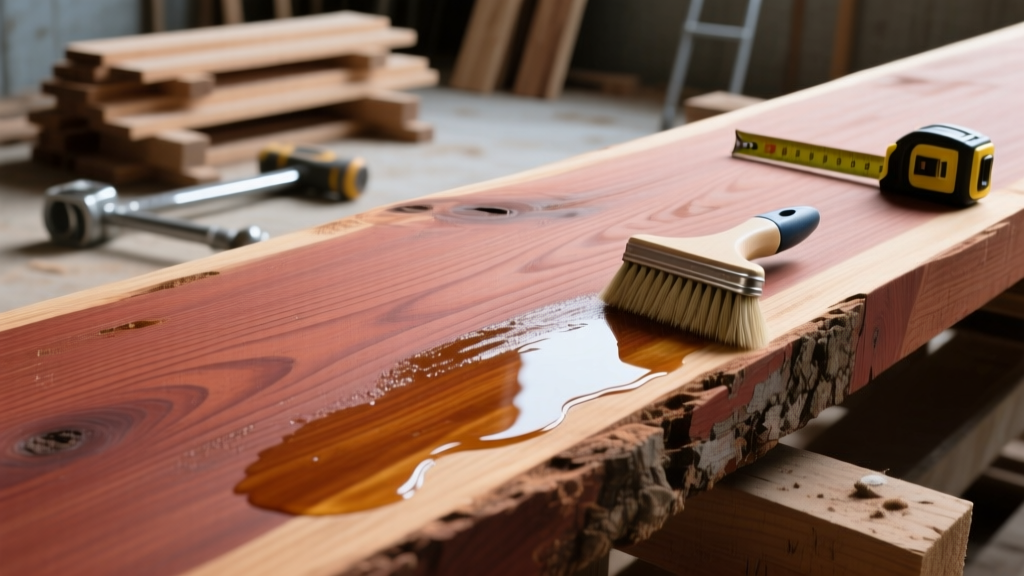
The Redwood Paradox: Natural Durability vs. Surface Vulnerability
Redwood (Sequoia sempervirens) is uniquely prized in exterior construction for its dimensional stability and natural decay resistance. The heartwood contains high concentrations of tannins and extractives that deter insects and fungal rot. However, this same chemical composition makes redwood highly reactive to improper maintenance. When exposed to UV radiation, moisture, and incorrect cleaning agents, redwood undergoes extractive bleeding, lignin degradation, and severe surface furring.
This playbook provides a rigorous, step-by-step maintenance and cleaning protocol for redwood decking and siding. According to the USDA Forest Products Laboratory Wood Handbook, the longevity of exterior wood relies entirely on managing surface moisture and UV exposure. The strategies below are calibrated for modern 2026 wood care formulations, moving beyond outdated advice that damages the wood cellular structure.
Understanding Tannin Bleed and Extractive Staining
Redwood's water-soluble tannins will leach to the surface when exposed to prolonged moisture. If these tannins react with iron (from standard steel nails, metal furniture, or well water), they form iron tannate—a stubborn, ink-black stain. Standard deck washes will not remove this; it requires a chemical chelation process using oxalic acid. Furthermore, using chlorine bleach (sodium hypochlorite) on redwood is catastrophic. Chlorine bleach oxidizes and destroys lignin—the structural polymer holding wood fibers together—resulting in a fuzzy, degraded surface that accelerates future decay.
The 4-Stage Redwood Cleaning Protocol
A proper redwood cleaning cycle must balance biological removal (mildew/algae) with surface preservation. Follow this sequence to restore the wood without compromising its cellular integrity.
Stage 1: Dry Prep and Gap Clearance
Before introducing any moisture, clear the deck or siding surface. Use a specialized 5-in-1 painter's tool or a dedicated deck gap scraper to remove impacted debris from between the boards. Redwood requires a minimum 1/4-inch expansion gap to accommodate seasonal swelling; packed debris traps moisture against the end-grain, leading to localized rot.
Stage 2: The Alkaline Wash (Biological Removal)
Apply an oxygen-based cleaner (sodium percarbonate) rather than chlorine bleach. Sodium percarbonate breaks down into hydrogen peroxide and soda ash, lifting mildew and dirt without destroying the wood's lignin. Look for EPA Safer Choice certified oxygen bleaches. Mix at a ratio of 4 ounces of powder per gallon of warm water (110°F to 120°F for optimal activation). Apply with a pump sprainer, agitate with a medium-stiff synthetic bristle brush, and let it dwell for 15 to 20 minutes. Do not let the solution dry on the surface.
Stage 3: Low-PSI Rinsing
Rinse the surface using a pressure washer strictly limited to 600 to 800 PSI. Use a 40-degree white nozzle tip and maintain a consistent 12-inch distance from the wood. Always spray parallel to the grain direction to avoid cutting across the growth rings.
Stage 4: Acidic Brightening and Neutralization
Because the Stage 2 oxygen wash is alkaline (pH ~10), you must neutralize the wood and restore its natural acidic pH (4.5 to 5.5) before sealing. Apply an oxalic acid or citric acid-based wood brightener. This step chelates any iron-tannin complexes (removing black stains) and opens the wood pores for optimal sealer penetration. Rinse thoroughly after a 10-minute dwell time.
Chemical Selection Matrix: Matching the Solution to the Stain
Not all redwood discoloration is biological. Use this diagnostic table to select the correct chemical intervention.
| Stain Type | Visual Identification | Required Chemical Agent | Application Method |
|---|---|---|---|
| Surface Mildew / Dirt | Gray/black splotches, general darkening | Sodium Percarbonate (Oxygen Bleach) | Pump spray, 15 min dwell, scrub |
| Iron Tannate (Rust/Tannin) | Ink-black spots, streaks near metal furniture | Oxalic Acid Brightener (8-10% solution) | Spot treat, 10 min dwell, rinse |
| Extractive Bleeding | Reddish-brown streaks running down siding | Alkaline Cleaner followed by Oxalic Acid | Wash, rinse, then brighten to reset pH |
| UV Graying (Lignin Loss) | Uniform silver/gray surface color | Two-part Wood Restorer (A/B system) | Apply Part A (strip), then Part B (brighten) |
Sealing and UV Protection: 2026 Product Formulations
Once the redwood is cleaned, brightened, and allowed to dry for 48 to 72 hours (verify with a pinless moisture meter; target moisture content must be below 15%), it requires UV and moisture protection. Film-forming sealers (polyurethanes, spar varnishes) are strictly prohibited for horizontal redwood decks; they trap moisture and will inevitably peel, requiring chemical stripping.
Instead, utilize penetrating, trans-oxide pigmented finishes. These formulations use microscopic iron oxide pigments to block UV rays while allowing the wood to breathe and shed liquid water.
Top Penetrating Sealers for Redwood
- TWP 1500 Series (e.g., 1501 Cedartone): An EPA-registered wood preservative and alkyd/oil blend. It penetrates deeply and contains mildewcides. Coverage: 150-200 sq ft per gallon for the first coat on bare redwood. Cost: ~$75 per gallon.
- Messmer's UV Plus for Hardwood/Redwood: Highly loaded with trans-oxide pigments for superior UV blocking. Excellent for high-altitude or intense sun environments. Cost: ~$85 per gallon.
- Penofin Red Label: Formulated with Brazilian rosewood oil, offering smaller molecular structures for deeper penetration into dense heartwood. Cost: ~$65 per gallon.
Troubleshooting Common Redwood Failures
When maintenance goes wrong, the damage manifests in specific ways. Use this decision tree to diagnose and repair redwood surface failures.
Symptom: The Surface is Fuzzy and Splintered (Furring)
Cause: Pressure washing exceeded 1,000 PSI, or chlorine bleach was used, destroying the surface lignin.
Fix: Allow the wood to dry completely. Sand the entire surface using a random orbital sander with 60-grit aluminum oxide paper to cut the raised fibers, followed by an 80-grit pass to smooth the surface. Vacuum all dust, wipe with mineral spirits, and reapply a penetrating sealer.
Symptom: The Finish is Peeling and Flaking
Cause: A previous owner or contractor applied a film-forming sealer (like Thompson's WaterSeal Advanced Natural Wood Protector or a polyurethane) instead of a penetrating oil.
Fix: You must strip the film. Apply an NMP (N-Methyl-2-pyrrolidone) or DBE-based chemical stripper. Scrape the sludge with a metal pull scraper. Neutralize with a wood brightener, sand lightly with 80-grit, and switch to a penetrating oil like TWP 1500.
Symptom: Black Stains Return Within Weeks of Cleaning
Cause: The black spots are not surface mildew; they are iron tannate stains caused by a hidden iron source (e.g., steel joist hangers, un-galvanized nails, or sprinkler water with high iron content).
Fix: Identify and eliminate the iron source. Replace standard nails with hot-dipped galvanized or stainless steel fasteners. Treat the remaining stains with a dedicated oxalic acid solution (such as Cabot Problem-Solver Wood Brightener).
Cost Breakdown: Professional vs. DIY Maintenance
Budgeting for redwood maintenance requires understanding the material and labor costs involved. The table below outlines the financial investment required for a standard 400-square-foot redwood deck.
| Maintenance Approach | Material Costs (400 sq ft) | Labor Costs | Total Estimated Cost | Cost Per Sq Ft |
|---|---|---|---|---|
| DIY Clean & Seal | $180 - $260 (Cleaners, brighteners, 2 gal sealer) | $0 (Your time: ~8 hours) | $180 - $260 | $0.45 - $0.65 |
| Pro Clean Only | Included in service | $600 - $1,000 | $600 - $1,000 | $1.50 - $2.50 |
| Pro Clean & Seal | Included in service | $1,400 - $2,200 | $1,400 - $2,200 | $3.50 - $5.50 |
| Pro Sand & Restore (Severe Furring) | Strippers, sandpaper, sealer | $2,400 - $3,600 | $2,800 - $4,200 | $7.00 - $10.50 |
Seasonal Maintenance Calendar
To maximize the lifespan of your redwood investment, adhere to this annual maintenance schedule:
- Spring: Clear gaps, inspect for raised nail heads (hammer and set them, then fill with exterior wood filler), and perform the 4-stage cleaning protocol if the wood has grayed or accumulated mildew.
- Summer: Monitor sealer performance. Perform the 'water drop test'—sprinkle water on the deck. If it beads up, the sealer is intact. If it soaks in immediately, it is time to apply a maintenance coat of penetrating oil.
- Fall: Clear all wet leaves and organic debris. Trapped leaves create a micro-climate of high moisture that will rapidly degrade the sealer and promote extractive bleeding.
- Winter: Use calcium magnesium acetate (CMA) based ice melters if necessary. Never use rock salt (sodium chloride) or calcium chloride, as these will draw moisture out of the wood cells, causing severe checking and splitting, and will leave white mineral deposits that require acidic stripping to remove.
By respecting the unique cellular and chemical properties of redwood, and utilizing modern, pH-balanced cleaning agents and penetrating trans-oxide sealers, you can preserve the structural integrity and aesthetic warmth of the wood for decades. For further technical data on wood preservation standards, consult the American Wood Protection Association guidelines on exterior timber treatments.