Types of Wood for Smoking Meat: 2026 Cost & Value Guide
Compare the cost, flavor yield, and bulk pricing of the best types of wood for smoking meat. Maximize your BBQ budget with our 2026 value analysis.
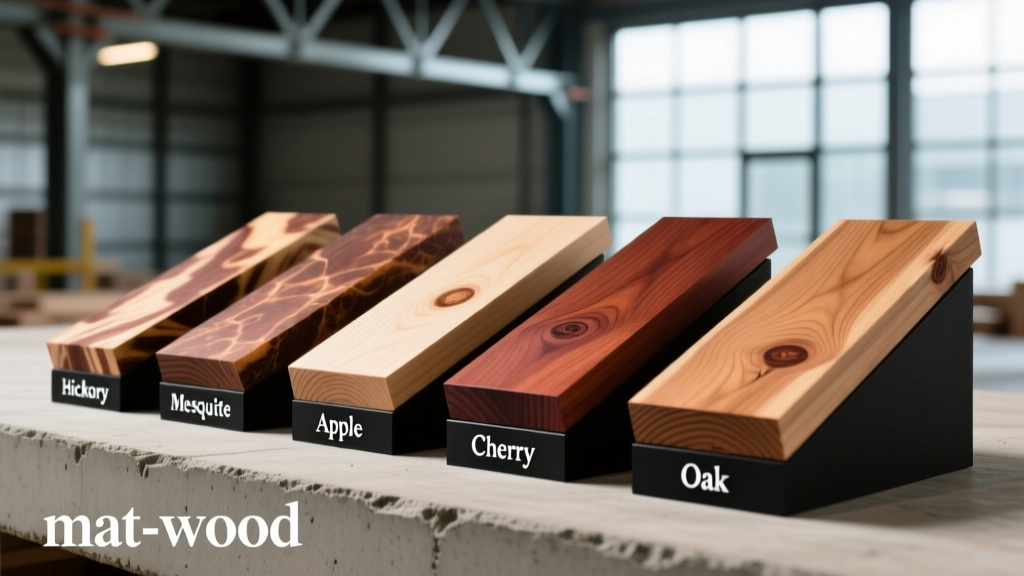
The Material Science and Economics of Smoking Wood
While typically categorized under culinary supplies, smoking wood is fundamentally a consumable thermal material. The combustion of wood involves the thermal degradation of cellulose, hemicellulose, and lignin. When lignin breaks down between 390°F and 590°F, it releases guaiacol and syringol—the primary chemical compounds responsible for the flavor and aroma of smoked meat. However, from a procurement perspective, smoking wood represents a significant recurring material cost for both commercial pitmasters and serious backyard enthusiasts. In 2026, with fluctuating timber markets and increased demand for premium barbecue, understanding the cost-to-yield ratio of different wood species is critical for budget management.
The market for smoking wood is bifurcated into two distinct supply chains: retail packaged products (chunks, chips, and pellets) and bulk raw timber (cords and face cords). A cost analysis reveals that retail packaging commands a massive premium, often marking up raw material costs by 400% to 800%. To maximize return on investment (ROI), buyers must evaluate wood not just by flavor profile, but by BTU density, moisture content, and regional availability.
2026 Retail vs. Bulk Pricing Matrix
The following matrix breaks down the average market pricing for the most common smoking woods. Retail prices reflect 4-to-5-pound bagged chunks purchased from specialty BBQ suppliers or big-box home improvement stores. Bulk prices reflect a standard face cord (4 feet high by 8 feet long by 16 inches deep) of split, seasoned hardwood delivered regionally.
| Wood Species | Retail Chunk Price (per lb) | Bulk Face Cord Price | BTU Output (per cord) | Flavor Intensity |
|---|---|---|---|---|
| Post Oak | $3.20 - $4.00 | $150 - $220 | 26.0 - 28.0 million | Medium |
| Hickory | $3.80 - $4.50 | $180 - $260 | 28.0 - 30.0 million | Strong |
| Mesquite | $3.50 - $4.20 | $140 - $200 (Regional) | 26.0 - 28.0 million | Very Strong / Earthy |
| Pecan | $4.50 - $5.50 | $200 - $280 | 28.0 - 30.0 million | Medium / Nutty |
| Apple | $4.80 - $6.00 | $220 - $300 | 24.0 - 26.0 million | Mild / Sweet |
| Cherry | $5.00 - $6.50 | $240 - $320 | 20.0 - 22.0 million | Mild / Tart |
Moisture Content and the Hidden Cost of Creosote
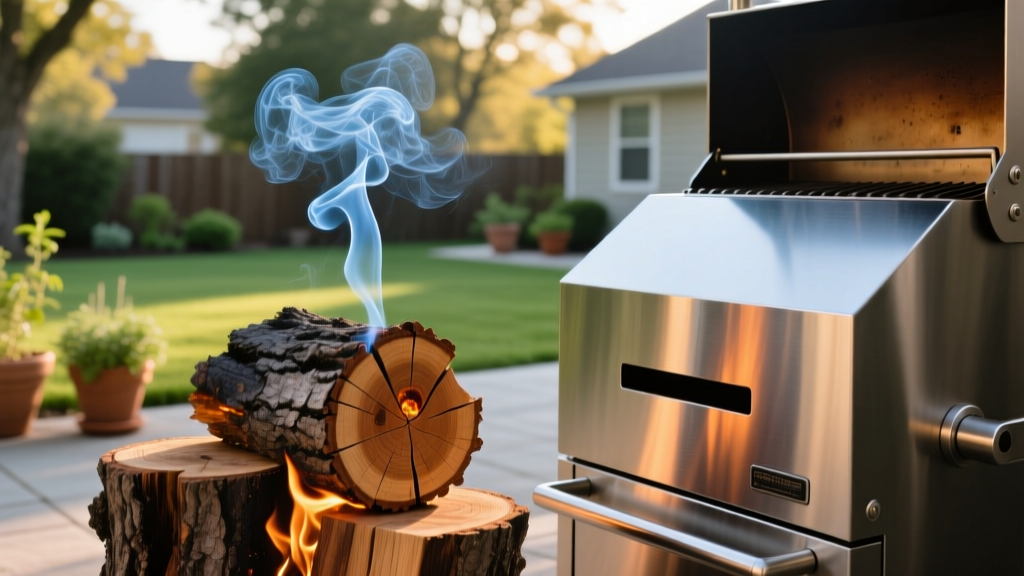
The most critical material specification when purchasing smoking wood is moisture content (MC). Wood combustion efficiency and flavor quality are directly dictated by the water trapped within the cellular structure of the timber. According to guidelines referenced by the USDA Food Safety and Inspection Service, maintaining clean combustion is essential not only for flavor but for preventing the deposition of harmful polycyclic aromatic hydrocarbons (PAHs) on the meat surface.
The Moisture Spectrum
- Green Wood (MC > 25%): Cheap or free from local arborists, but practically useless for smoking. The thermal energy of the fire is wasted boiling off water, resulting in thick, white, billowing smoke. This incomplete combustion produces creosote—a black, tarry substance that makes meat taste bitter and numb the tongue.
- Seasoned Wood (MC 15% - 20%): The gold standard for offset smokers. Air-dried for 6 to 12 months, this wood ignites easily, maintains steady firebox temperatures, and produces the coveted "thin blue smoke."
- Kiln-Dried Wood (MC < 10%): Common in retail chunk packaging. While it guarantees zero pest infestation and immediate usability, it burns significantly faster and hotter. Pitmasters must use up to 20% more kiln-dried wood by volume to maintain low-and-slow temperatures compared to seasoned wood, slightly reducing its cost-efficiency despite the higher upfront price per pound.
Species Breakdown: Cost-to-Flavor Yield Analysis
Post Oak (Quercus stellata)
The undisputed workhorse of Central Texas barbecue. Post oak offers the highest ROI for large-format meats like beef brisket and beef ribs. It possesses a high lignin content that produces a robust, savory smoke without overpowering the natural flavor of the beef. From a cost perspective, if you reside in the Southern or Central United States, sourcing Post Oak in bulk is highly economical. However, outside its native range (such as the Pacific Northwest or Northeast), shipping costs can double the bulk price, making it less viable than local alternatives.
Hickory (Carya)
Hickory is the most universally recognized smoking wood in North America. It burns hot and long due to its high density, providing excellent thermal stability in ceramic kamado grills and steel offset smokers. The flavor is pungent, bacon-like, and assertive. Because it is widely distributed across the Eastern US, bulk pricing remains stable. Hickory offers exceptional value for pork shoulders and ribs, where the meat's high fat content can stand up to the aggressive smoke profile.
Mesquite (Prosopis)
Mesquite contains more natural oils and lignin than almost any other North American hardwood. It burns incredibly hot and fast, making it a poor choice for low-and-slow smoking in standard offset pits unless heavily mixed with a milder base wood like oak. Its flavor is intensely earthy and can easily turn acrid if the fire is starved of oxygen. Mesquite offers high value for high-heat direct grilling (such as Santa Maria style tri-tip) but represents a poor ROI for 12-hour smoking sessions due to its rapid consumption rate.
Pecan (Carya illinoinensis)
A member of the hickory family, pecan burns slightly cooler and offers a sweeter, more nuanced smoke. It is a premium material often favored for poultry and pork. The cost of pecan is generally 20% higher than standard hickory due to the agricultural value of the nut crop; trees are rarely felled solely for timber. For pitmasters seeking a sophisticated flavor profile without the harshness of mesquite, the premium is justified.
Calculating Your Cost-Per-Smoke
To truly understand the value of your smoking wood, you must calculate the cost-per-smoke rather than the cost-per-pound. A standard 14-pound packer brisket requires approximately 10 to 12 hours in an offset smoker at 250°F. Depending on the firebox efficiency and ambient weather conditions, this cook will consume between 8 and 12 pounds of wood.
Retail Hickory Chunks: 10 lbs required × $4.25/lb = $42.50 per brisket cook
Bulk Seasoned Post Oak: A $200 face cord yields roughly 600 lbs of usable splits. 10 lbs required × $0.33/lb = $3.30 per brisket cook
Conclusion: Transitioning to bulk regional wood reduces your thermal material cost by over 90%, allowing you to reallocate budget toward higher-grade meat.
Strategic Sourcing for Maximum ROI
Optimizing your wood budget requires moving away from retail packaging and establishing localized supply chains. Here are the most effective sourcing strategies for 2026:
- Local Arborists and Tree Services: Contact local tree removal companies. Specify that you need hardwoods (oak, hickory, pecan) and that you are willing to take the rounds off their hands. You will often get the raw material for free or for a nominal delivery fee. The trade-off is the physical labor required to split the wood and the 9-to-12-month lead time required for seasoning.
- Regional Sawmills: Sawmills generate massive amounts of hardwood offcuts and slab wood. While you must be vigilant about avoiding softwoods (pine, fir, cedar) which contain toxic terpenes, hardwood slab wood is often sold in bulk by the pickup-truck load for a fraction of retail prices.
- Specialty BBQ Wood Suppliers: If you lack the space to season wood or operate a commercial food truck, partner with dedicated BBQ wood suppliers who sell pre-seasoned, vacuum-sealed 20-pound boxes. While more expensive than a face cord, the moisture content is guaranteed, and the wood is pre-cut to fit specific firebox dimensions, eliminating waste.
For further reading on the thermodynamics of smoke and wood selection, the comprehensive guides at AmazingRibs provide deep-dive scientific analyses on how different wood species interact with meat proteins and fats during the cooking process.
Final Material Verdict
The "best" wood for smoking meat is entirely dependent on your procurement capabilities. If you have the capital and storage space for bulk purchasing, Post Oak or Regional Hickory offers the undisputed best ROI, providing high BTU output and excellent flavor at pennies per pound. If you are restricted to retail purchasing, Pecan offers the best middle-ground value, delivering a premium flavor profile that punches above its weight class, requiring fewer chunks to achieve a noticeable smoke ring and flavor penetration compared to milder fruitwoods.
Written by
James ThorntonJames Thornton is a construction industry veteran with 25 years of hands-on experience in wood framing, lumber grading, and residential building codes. He started as a framing carpenter in rural Oregon, earned his ICC Residential Building Inspector certification, and eventually became a senior plan reviewer for the City of Portland Bureau of Development Services. James holds a B.S. in Wood Science & Technology from Oregon State University and is a certified lumber grader through the West Coast Lumber Inspection Bureau (WCLIB). He has inspected over 3,000 residential construction sites and authored the city's internal guide on advanced framing techniques (2x6 at 24" O.C.). James lives in Bend, OR, where he builds custom timber-frame cabins and competes in lumberjack sports.
More from James Thornton
View all
Insulation
Best Home Insulation Materials: Complete 2026 Guide
Compare top home insulation materials for 2026. Find R-values, installed costs per square foot, and best uses for fiberglass, spray foam, and mineral wool.
Aug 4, 2026

Sustainable Building
Certify Your Green Building Material for LEED and WELL
Step-by-step guide to certifying a green building material for LEED v5 and WELL v2. Master EPDs, HPDs, and VOC limits for 2026 project specifications.
Aug 4, 2026

Stone & Masonry
Veneer Stacked Stone Panels: Interior Design & Style Showcase
Discover how veneer stacked stone panels transform interiors. Explore modern design profiles, material pairings, and technical installation specs.
Aug 4, 2026