2026 Deck and Patio Materials Cost Breakdown & Price Guide
Compare 2026 costs for deck and patio materials. Get exact pricing for composite decking, pressure-treated lumber, concrete pavers, and natural stone.

The True Cost of Outdoor Living in 2026
Building an outdoor living space requires navigating a complex matrix of material costs, structural requirements, and long-term maintenance liabilities. In 2026, the pricing landscape for deck and patio materials has stabilized following the extreme lumber volatility of previous years, but premium composites, advanced PVCs, and natural stone hardscapes have seen targeted price increases driven by manufacturing and freight costs. This guide provides a granular, material-only cost breakdown, isolating specific product lines, hidden structural expenses, and critical base preparation metrics that dictate the final price per square foot.
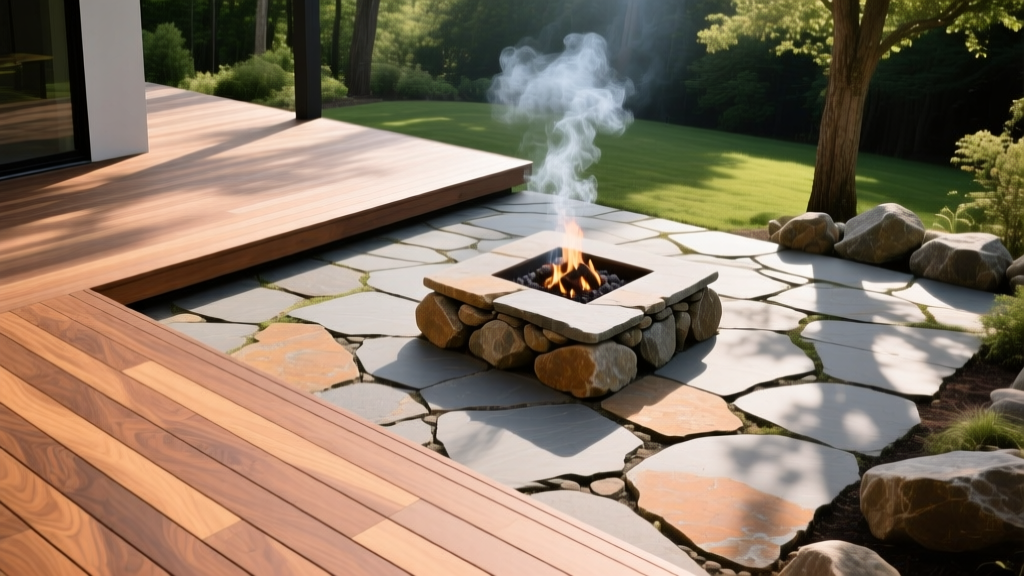
Decking Material Costs: Wood vs. Composite vs. PVC
The choice of decking surface dictates not only the initial material budget but also the framing requirements and lifetime maintenance costs. While pressure-treated lumber remains the baseline, the market has heavily shifted toward capped composite and cellular PVC boards due to their resistance to moisture intrusion and UV degradation.
| Material Type | Cost per Sq. Ft. (Materials) | Lifespan | 10-Year Maintenance Cost |
|---|---|---|---|
| Pressure-Treated Pine (Ground Contact) | $3.50 - $5.00 | 15-20 Years | $800 - $1,200 (Staining/Sealing) |
| Cedar / Redwood (Clear Grade) | $8.00 - $12.00 | 20-25 Years | $600 - $900 (Oiling) |
| Capped Composite (Mid-Tier) | $7.50 - $9.50 | 25-30 Years | $50 (Cleaning only) |
| Capped Composite (Premium) | $11.00 - $13.50 | 30-50 Years | $50 (Cleaning only) |
| Advanced Cellular PVC | $13.00 - $16.50 | 50+ Years | $0 - $50 (Cleaning only) |
Specific Product Line Pricing & Performance
When budgeting for composite or PVC, you must look at specific product tiers. For example, Trex Transcend Lineage (their premium tier) costs approximately $12.50 per square foot for the boards alone, featuring a heat-mitigating cap layer that keeps surface temperatures up to 40°F cooler than traditional composites in direct sunlight. In contrast, TimberTech’s Advanced PVC Landmark Collection pushes the boundary to $15.00 per square foot, offering superior dimensional stability and a Class A flame spread rating, which is critical for builds in wildfire-prone zones (WUI zones).
Patio Hardscape Costs: Pavers vs. Poured Concrete vs. Natural Stone
Patio construction shifts the cost burden from elevated framing to earthwork and base preparation. The surface material is only a fraction of the total hardscape budget; the subsurface engineering determines whether the patio will heave, settle, or crack over time.
Surface Material Breakdown
- Poured Concrete (Broom Finish): $4.00 - $6.50 per sq. ft. (material and finish). Susceptible to cracking; requires control joints every 10 feet. Upgrading to stamped or exposed aggregate pushes material costs to $9.00 - $14.00 per sq. ft.
- Concrete Pavers (Standard): $4.50 - $8.00 per sq. ft. Manufactured to ASTM C936 standards, ensuring a minimum compressive strength of 8,000 psi. Brands like Belgard offer permeable options (e.g., Aqua Roc) that cost 15-20% more but are increasingly required by municipal stormwater codes.
- Natural Stone (Bluestone/Flagstone): $12.00 - $22.00 per sq. ft. Thermal-patterned bluestone provides a uniform, slip-resistant surface but requires precise cutting. Irregular flagstone is cheaper ($8.00 - $14.00) but increases jointing sand and labor time.
Base Preparation: The Make-or-Break Expense
The most common failure mode in patio construction is base degradation. A standard concrete paver installation requires excavating 8 to 10 inches of native soil. The base must consist of 6 to 8 inches of ASTM D2940 Class II road base, compacted in 2-inch lifts using a vibratory plate compactor with a minimum centrifugal force of 5,000 lbs. This is topped with 1 inch of ASTM C33 washed concrete sand. Budget an additional $2.50 to $4.00 per square foot strictly for base materials (aggregate, sand, and geotextile fabric like Mirafi 500X to prevent soil migration).
Labor vs. Material Ratios
Understanding the ratio of labor to materials is essential for accurate budgeting. According to industry data tracked by platforms like Angi, the labor-to-material ratio varies drastically by project type:
Elevated Decks: Materials account for 45-55% of the total cost, with labor making up the rest. Complex framing, ledger board flashing, and stair stringer cuts drive labor hours high.
Ground-Level Patios: Materials account for 60-70% of the total cost. Earthmoving, hauling away spoils, and compacting the base are highly mechanized or require intense manual labor, but the actual laying of pavers is relatively fast compared to framing a deck.
Decision Framework: Choosing Your Materials
Selecting the right deck and patio materials requires matching the product to your specific environmental conditions and usage patterns. Use this framework to finalize your material list:
1. Moisture and Shade Exposure
If your build site is heavily shaded or near a water body, avoid pressure-treated lumber and uncapped composites. Moisture trapped in wood grain leads to cupping and splintering within 3 years. Opt for cellular PVC (like Azek Vintage) or mineral-based composites (like MoistureShield Vision), which boast near-zero water absorption rates (< 0.5%).
2. Thermal Expansion Considerations
PVC decking expands and contracts at a rate nearly three times higher than wood or composite. If you choose PVC, you must use specialized crush clips and leave a strict 1/8-inch gap per 10 feet of board length during installation, depending on the ambient temperature on the day of installation. Failing to account for thermal expansion will result in buckled boards during peak summer heat.
3. Heavy Load Requirements (Hot Tubs & Outdoor Kitchens)
Standard deck framing (40 PSF live load / 10 PSF dead load) is insufficient for hot tubs, which can exert over 100 PSF. For these zones, you must upgrade to 2x10 or 2x12 joists spaced 12" on-center, use Simpson Strong-Tie SDWS structural screws instead of standard nails, and reinforce the support posts with 6x6 pressure-treated timber rated for ground contact (UC4A or UC4B). For patios, a 6-inch reinforced concrete slab (4,000 PSI mix) is required beneath outdoor kitchens to prevent differential settling that will crack stone countertops.
Sourcing and Procurement Strategy
To mitigate supply chain delays and secure the best pricing on deck and patio materials in 2026, avoid purchasing premium composites and natural stone from big-box retailers. Instead, source composite boards through specialized lumber yards that carry full inventories of specific color runs and fascia boards. For natural stone and pavers, purchase directly from regional hardscape distributors. Buying in bulk pallets (typically 300-400 sq. ft. per pallet for pavers) often unlocks a 10-15% tier discount that is unavailable at retail counters. Always order 8% overage for composite decking (for angled cuts and waste) and 12% overage for irregular natural stone to ensure pattern continuity.
Written by
David NakamuraDavid Nakamura is a licensed architect (AIA) and construction technology writer focused on sustainable building methods, mass timber engineering, and high-performance building envelopes. He holds a Master of Architecture from the University of Washington and is a certified Passive House Consultant (CPHC). David spent eight years at the Seattle firm Mithun, where he led the design of three LEED Platinum projects, before founding his own practice specializing in net-zero residential design. He serves on the editorial advisory board of GreenBuilder Magazine and has authored peer-reviewed papers on cross-laminated timber (CLT) connections for the Journal of Structural Engineering. In his spare time, David teaches woodworking at Pratt Fine Arts Center and kayaks the Puget Sound.
More from David Nakamura
View all
Construction Cost
Labor Cost to Build a Deck Per Sq Ft: 2026 Installation Guide
Discover the exact labor cost to build a deck per sq ft in 2026. This installation guide breaks down contractor rates, complexity factors, and hidden fees.
Aug 4, 2026

Construction Cost
How Much Does It Cost to Build a 3 Bedroom House? Financing Guide
Learn exactly how much it costs to build a 3 bedroom house and explore 2026 financing options, construction loan types, and budget frameworks for your build.
Aug 4, 2026

Construction Cost
Cost to Build a Tennis Court: 2026 Guide
How much does it cost to build a tennis court in 2026? Breakdowns for asphalt, concrete, and synthetic surfaces plus fencing and lighting.
Jul 30, 2026