Olshan Foundation Repair Cost Analysis: 2026 Pricing Guide
Detailed 2026 cost analysis of Olshan foundation repair. Breaks down pricing for Cable Lock piers, wall anchors, and hidden warranty fees.

The True Cost of Olshan Foundation Repair in 2026
When evaluating structural stabilization for settling slabs or bowing basement walls, Olshan Foundation Solutions frequently emerges as a primary candidate due to its national footprint and proprietary stabilization patents. However, national franchise pricing models differ significantly from independent local contractors. As of 2026, the national average for a comprehensive Olshan foundation repair project ranges from $8,500 to $32,000, with extreme structural overhauls exceeding $50,000. Minor slab lifting or localized crack stitching typically starts around $1,200.
Understanding an Olshan proposal requires dissecting the specific engineering methods they deploy, the soil mechanics dictating pier depth, and the long-term financial implications of their warranty structures. This analysis breaks down the exact unit costs, hidden variables, and comparative value of hiring Olshan versus regional alternatives.
Breakdown of Olshan’s Proprietary & Standard Repair Methods
Olshan utilizes a mix of patented systems and industry-standard techniques. The cost per unit varies drastically based on whether the system relies on skin friction (driven piers) or end-bearing (helical piers), as well as the depth required to reach stable load-bearing strata.
| Repair Method | Best Application | 2026 Cost Per Unit | Typical Project Total |
|---|---|---|---|
| Cable Lock™ ST Plus | Slab foundations in expansive clay soils; combines concrete cylinders with a steel cable. | $1,400 – $2,200 / pier | $12,000 – $28,000 |
| Helical Piers | New construction, tension applications, or poor surface soils where driving friction piers is impossible. | $2,200 – $3,500 / pier | $18,000 – $40,000+ |
| Wall Lock™ / Anchors | Bowing or leaning basement and crawl space walls; counters lateral earth pressure. | $900 – $1,400 / anchor | $7,000 – $15,000 |
| Polyurethane Slab Lifting | Sunken concrete patios, driveways, or interior slab floors with no structural beam damage. | $15 – $25 / sq. ft. | $1,500 – $6,000 |
| Exterior Drainage Systems | French drains, surface grading, and downspout tie-ins to manage hydrostatic pressure. | $150 – $300 / linear ft. | $4,000 – $9,500 |
Hidden Variables That Inflate Your Final Quote
The base price per pier rarely reflects the final out-of-pocket expense. When reviewing an Olshan estimate, homeowners must account for site-specific remediation costs that are typically excluded from the initial structural proposal.
- Concrete Cutting and Replacement: To install interior piers, technicians must jackhammer through the slab. Olshan typically charges $150 to $300 per interior pier location for cutting, excavation, and patching. If you require decorative concrete matching or epoxy flooring restoration, this cost is entirely on the homeowner.
- HVAC and Plumbing Rerouting: If primary plumbing lines or HVAC ductwork run beneath the slab directly in the path of the proposed grade beam, you must hire licensed third-party trades to reroute them. Budget an additional $1,500 to $4,000 for these trades.
- Landscaping and Hardscape Demolition: Exterior pier installation requires a 3-foot clearance from the foundation. Decks, concrete walkways, and mature landscaping must be removed. Olshan’s demolition and disposal fees typically range from $500 to $2,500, but rebuilding the hardscape is an out-of-pocket expense.
- Geotechnical Engineering Reports: For complex structural failures or multi-story homes, Olshan may require an independent geotechnical soil analysis before finalizing a piering plan. These reports cost between $800 and $1,500.
The Warranty Maintenance Catch (Long-Term Financial Impact)
Olshan heavily markets its Lifetime Transferable Warranty. While this adds value to the home’s resale profile, it comes with strict maintenance covenants that carry hidden long-term costs. To keep the warranty valid, the homeowner must maintain positive surface drainage (typically a 5% slope away from the foundation for the first 10 feet).
If you later install a patio, build a flowerbed against the house, or allow gutter downspouts to discharge near the perimeter, the soil moisture equilibrium changes. If the foundation subsequently moves, Olshan will void the warranty, citing improper drainage maintenance. Furthermore, transferring the warranty to a new homeowner upon selling the property often incurs a $150 to $300 administrative transfer fee, and some legacy contracts require an annual maintenance inspection fee. Always read the specific warranty covenant attached to your 2026 contract.
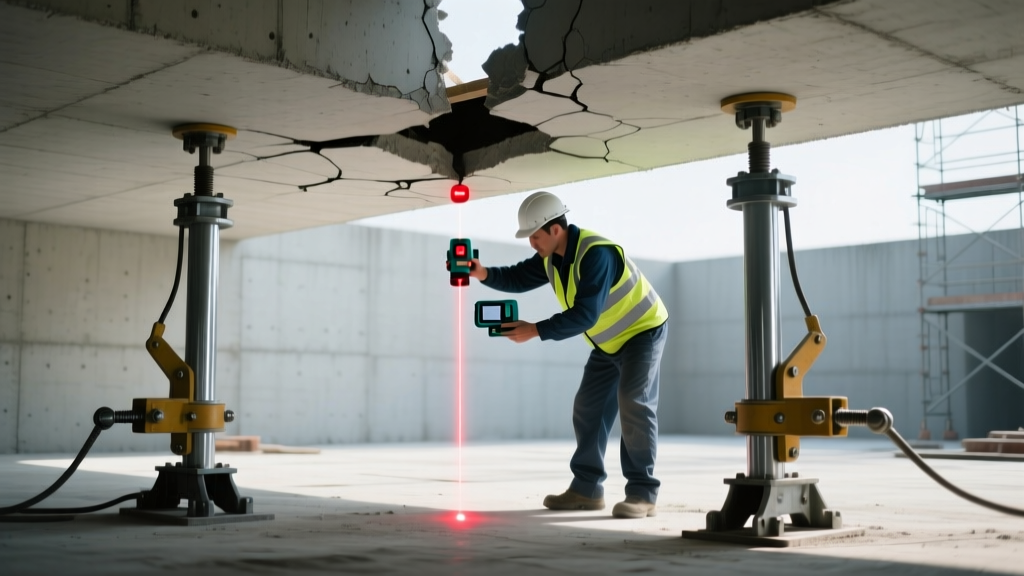
Olshan vs. Independent Local Contractors: Cost-Benefit Matrix
Is the premium paid for a national franchise justified? The following matrix compares Olshan’s corporate model against highly-rated local structural contractors.
| Feature | Olshan Foundation Solutions | Independent Local Contractor |
|---|---|---|
| Pricing Model | Premium (15% - 30% higher than local averages) | Competitive / Market Rate |
| Technology | Proprietary (Cable Lock ST Plus, Wall Lock) | Standard industry steel push piers / helicals |
| Warranty | Lifetime, backed by corporate entity; transferable | Lifetime, backed by local LLC; transferability varies |
| Financing | In-house and third-party national partnerships | Usually requires external bank/HELOC financing |
| Engineering | Corporate engineers review complex plans | Relies on homeowner's hired third-party engineer |
Financing the Repair: Rates and Terms in 2026
With average project costs exceeding $20,000, financing is a critical component of the cost analysis. Olshan partners with national lending institutions to offer unsecured personal loans for home improvement. In the current 2026 interest rate environment, these loans typically carry APRs ranging from 9.9% to 24.9% depending on the borrower's FICO score.
Alternatively, homeowners with sufficient equity should explore a Home Equity Line of Credit (HELOC) or the HUD Title I Property Improvement Loan program, which insures loans specifically for structural alterations and often yields significantly lower interest rates than unsecured franchise financing. According to Angi's comprehensive foundation repair cost guide, utilizing high-interest unsecured financing can add 20% to 40% to the total lifetime cost of the repair over a 7-year term.
Decision Framework: When to Hire Olshan vs. Alternatives
Use the following framework to determine if Olshan’s pricing structure aligns with your specific structural and financial needs.
✅ Choose Olshan If:
- You are selling the home within 3 to 5 years and need a recognizable, corporate-backed transferable warranty to satisfy buyer inspections and appraisers.
- Your home is built on highly problematic expansive clay requiring deep friction piers (25+ feet), where Olshan’s Cable Lock system prevents the concrete cylinders from misaligning during driving.
- You lack the liquid capital for the project and require streamlined, in-house financing approval to begin work immediately.
⚠️ Choose an Independent Contractor If:
- You are repairing a minor, localized settlement issue (under 5 piers) where the corporate overhead and minimum mobilization fees of a national franchise will artificially inflate the bid.
- You require extensive helical piering for a new addition or deep tension anchors, where local specialized geotechnical firms often possess superior, site-specific soil data compared to national corporate databases.
- You plan to live in the home for 20+ years, have no intention of transferring a warranty, and prefer to invest the 20% franchise premium into higher-grade exterior drainage and root-barrier systems.
Negotiating Your Olshan Proposal
Foundation repair proposals are not strictly fixed-price documents. Before signing, consult the Federal Trade Commission’s guidelines on home improvement contracts to ensure all verbal promises are codified. You can frequently negotiate the removal of site-prep fees, request the inclusion of exterior drainage extensions at cost, or ask for a price-match guarantee if a licensed local structural engineer provides a competing bid using equivalent steel push-pier specifications. Always demand that the exact depth-to-refusal or torque-rating specifications for the piers are written into the contract, rather than accepting vague "as needed" depth estimates that lead to change orders mid-project.
Written by
David NakamuraDavid Nakamura is a licensed architect (AIA) and construction technology writer focused on sustainable building methods, mass timber engineering, and high-performance building envelopes. He holds a Master of Architecture from the University of Washington and is a certified Passive House Consultant (CPHC). David spent eight years at the Seattle firm Mithun, where he led the design of three LEED Platinum projects, before founding his own practice specializing in net-zero residential design. He serves on the editorial advisory board of GreenBuilder Magazine and has authored peer-reviewed papers on cross-laminated timber (CLT) connections for the Journal of Structural Engineering. In his spare time, David teaches woodworking at Pratt Fine Arts Center and kayaks the Puget Sound.
More from David Nakamura
View all
Construction Cost
Labor Cost to Build a Deck Per Sq Ft: 2026 Installation Guide
Discover the exact labor cost to build a deck per sq ft in 2026. This installation guide breaks down contractor rates, complexity factors, and hidden fees.
Aug 4, 2026

Construction Cost
How Much Does It Cost to Build a 3 Bedroom House? Financing Guide
Learn exactly how much it costs to build a 3 bedroom house and explore 2026 financing options, construction loan types, and budget frameworks for your build.
Aug 4, 2026

Construction Cost
Cost to Build a Tennis Court: 2026 Guide
How much does it cost to build a tennis court in 2026? Breakdowns for asphalt, concrete, and synthetic surfaces plus fencing and lighting.
Jul 30, 2026