Cost Breakdown: Every Type of Roofs Materials in 2026
Compare the 2026 installed costs, lifespans, and hidden fees for every type of roofs materials, from asphalt shingles to standing seam metal and slate.
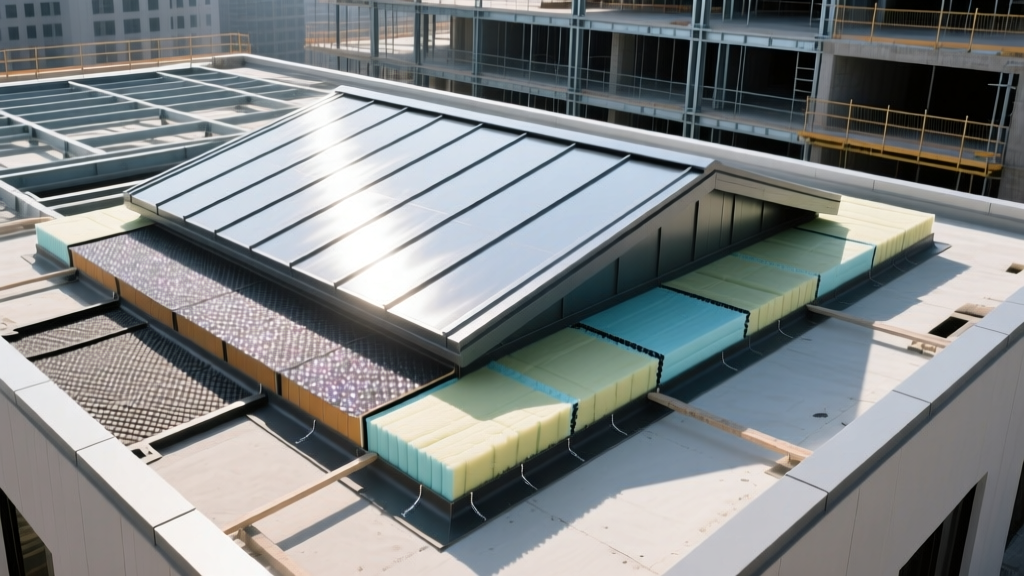
The 2026 Roofing Cost Matrix
Estimating the budget for a roof replacement requires looking past the base material price. Labor, structural requirements, and regional disposal fees drastically alter the final invoice. When evaluating every type of roofs materials on the market, contractors typically price by the "square" (100 square feet). The table below outlines the 2026 national average installed costs for a standard 2,000-square-foot (20-square) residential roof, assuming a standard 6:12 pitch and a single-layer tear-off.
| Material Category | Cost Per Sq. Ft. (Installed) | Total Cost (2,000 Sq. Ft.) | Expected Lifespan | Maintenance Level |
|---|---|---|---|---|
| 3-Tab Asphalt Shingles | $2.75 - $3.80 | $5,500 - $7,600 | 15 - 20 Years | Low |
| Architectural Asphalt | $4.50 - $7.50 | $9,000 - $15,000 | 25 - 35 Years | Low |
| Exposed Fastener Metal | $8.00 - $11.50 | $16,000 - $23,000 | 30 - 45 Years | Medium |
| Standing Seam Metal | $13.00 - $19.00 | $26,000 - $38,000 | 50+ Years | Low |
| Concrete Tile | $11.00 - $16.00 | $22,000 - $32,000 | 40 - 50 Years | Medium |
| Clay Tile | $16.00 - $24.00 | $32,000 - $48,000 | 75 - 100 Years | Medium |
| Synthetic Slate | $15.00 - $22.00 | $30,000 - $44,000 | 50 Years | Low |
| Natural Slate | $28.00 - $45.00+ | $56,000 - $90,000+ | 100+ Years | Low |
| TPO Membrane (60-mil) | $6.50 - $9.50 | $13,000 - $19,000 | 20 - 30 Years | Medium |
Note: Data reflects 2026 market averages. According to Forbes Home Improvement, regional labor variations can swing these totals by up to 25% in high-cost-of-living metropolitan areas.
Asphalt Shingles: The Baseline Benchmark
Asphalt shingles cover approximately 75% of residential roofs in North America. However, treating all asphalt as identical is a critical budgeting error. The market is segmented into three distinct tiers:
3-Tab vs. Architectural vs. Luxury
- 3-Tab Shingles: Priced at the bottom of the market, these single-layer, flat-profile shingles are largely relegated to budget flips, sheds, and garage roofs. They offer minimal wind resistance (typically rated for 60 mph).
- Architectural (Dimensional) Shingles: The industry standard for residential homes. Products like GAF Timberline HDZ or Owens Corning Duration feature a dual-layer laminate construction that mimics the shadow lines of wood shakes. They carry 130 mph wind warranties and superior impact resistance (UL 2218 Class 3 or 4).
- Luxury/Premium Shingles: Heavyweight laminates (e.g., CertainTeed Grand Manor) that replicate natural slate. They cost 30-50% more than standard architectural shingles and require reinforced roof decking due to their extreme weight (up to 450 lbs per square).
Metal Roofing: Standing Seam vs. Exposed Fastener
Metal roofing has surged in popularity, but the cost gap between the two primary systems is vast. Understanding the engineering differences justifies the price premium of standing seam.
Exposed Fastener (Corrugated/R-Panel)
These panels are screwed directly through the metal face into the roof purlins or decking. While cheaper upfront ($8.00 - $11.50 per sq. ft.), the neoprene washers on the screws degrade under UV exposure within 15 to 20 years, requiring maintenance and screw replacement to prevent leaks. Furthermore, thermal expansion and contraction can cause the panels to elongate and wallow out the screw holes over time.
Standing Seam (Concealed Fastener)
Priced between $13.00 and $19.00 per sq. ft., standing seam panels utilize hidden clips that allow the metal to expand and contract freely without stressing the fasteners.
The Metal Roofing Alliance notes that properly installed standing seam systems routinely outlast 50 years with virtually zero maintenance, making the lifecycle cost highly competitive with asphalt when factoring in replacement cycles.
Heavyweight Systems: Tile and Slate
Tile and slate represent the premium tier of roofing, offering unmatched longevity and distinct architectural profiles. However, the material cost is only half the equation.
The Structural Engineering Tax
Standard asphalt shingles weigh roughly 250 lbs per square (100 sq ft). Concrete tile weighs between 900 and 1,100 lbs per square. Before installing tile, you must hire a structural engineer ($500 - $1,500) to evaluate your truss load capacity. If the existing framing is insufficient, reinforcing the roof structure can add $10,000 to $25,000 to the project.
Natural vs. Synthetic Slate
Natural slate is virtually indestructible but requires specialized slate nails (copper or stainless steel) and highly skilled labor, pushing costs past $30 per sq. ft. Synthetic slate (like DaVinci Roofscapes Multi-Width Slate) is manufactured from virgin resins and UV stabilizers. It costs roughly half as much as natural slate ($15 - $22 per sq. ft.), weighs significantly less, and can be installed by standard roofing crews using conventional pneumatic nailers.
Low-Slope and Flat Membranes
For homes with low-slope additions, modernist flat roofs, or commercial buildings, shingles and metal are not viable. The National Roofing Contractors Association (NRCA) categorizes low-slope systems into three primary single-ply membranes:
- TPO (Thermoplastic Polyolefin): The most common commercial membrane. Heat-welded seams make it highly resistant to water pooling. A 60-mil fully adhered TPO system costs $6.50 - $9.50 per sq. ft.
- EPDM (Ethylene Propylene Diene Monomer): A synthetic rubber membrane, usually black. It is highly elastic and performs exceptionally well in extreme cold climates. Seams are glued or taped, which is a known failure point over time compared to welded TPO.
- PVC (Polyvinyl Chloride): The most expensive single-ply option ($8.50 - $12.00 per sq. ft.), but it offers superior chemical resistance. If your flat roof is directly beneath commercial HVAC units or restaurant exhaust vents that emit animal fats and oils, PVC is mandatory; TPO and EPDM will degrade and dissolve when exposed to grease.
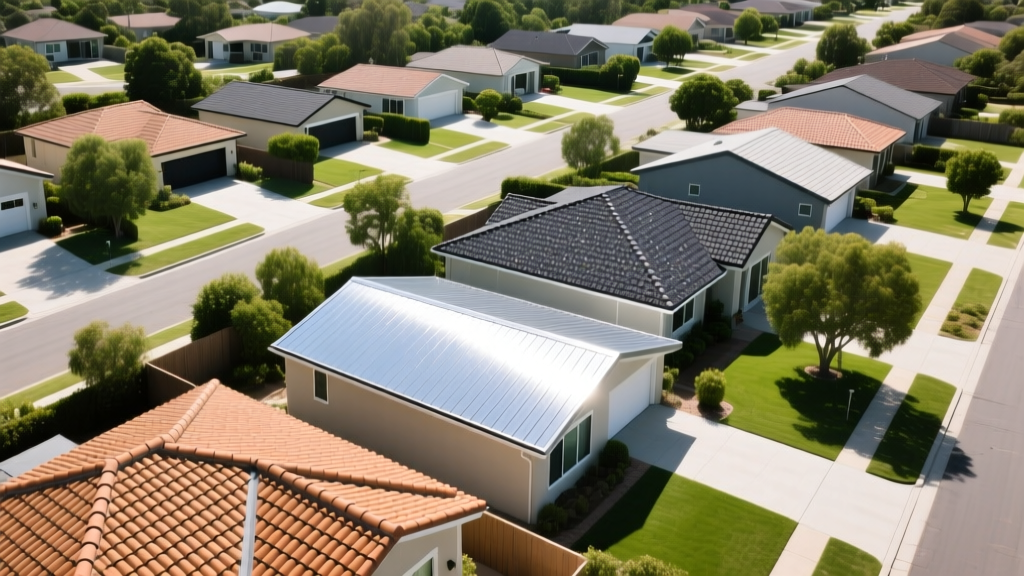
Hidden Cost Variables Contractors Won't Quote Upfront
The biggest budget overruns occur when homeowners fail to account for site-specific variables. Ensure your contract explicitly addresses the following scenarios:
Decking Remediation
Once the old roof is torn off, the underlying OSB or plywood decking is exposed. It is standard to find wood rot around chimneys, valleys, and eaves due to historical ice damming. Contractors typically charge $80 to $125 per 4x8 sheet of 5/8" CDX plywood or OSB for replacement. Budget a 10% contingency for decking repair on any home over 20 years old.
Pitch and Complexity Multipliers
The baseline costs in our matrix assume a standard 6:12 pitch (the roof rises 6 inches for every 12 inches of horizontal run).
Complexity Pricing Rule of Thumb: A roof with a 12:12 pitch or steeper will incur a 30% to 50% labor premium due to the requirement of specialized roof jacks, scaffolding, and slower installation speeds. Furthermore, every valley, dormer, and skylight adds linear feet of flashing and cutting time, increasing the overall square-foot cost by 10% to 20%.
Tear-Off and Disposal Fees
Landfill tipping fees have risen sharply. Tearing off a single layer of asphalt shingles costs $1.50 to $2.50 per sq. ft. If your home has two layers (the legal maximum in most municipalities before a mandatory tear-off), expect the demolition and hauling portion of your invoice to double. Always verify whether the contractor's quote includes dumping fees and permit costs, as these are frequently excluded from the initial estimate to make the bid appear more competitive.
Written by
Priya KapoorPriya Kapoor is a real estate market analyst and construction economics researcher with expertise in housing affordability, development feasibility, and infrastructure investment. She holds a Master of Regional Planning from Cornell University and previously worked as a senior analyst at CBRE's Investment Properties group, where she modeled returns for $4B in mixed-use development pipelines. Priya now runs an independent research practice advising developers, municipalities, and REITs on construction cost forecasting and market timing. She publishes the quarterly "BuildMat Market Pulse" report tracking material price indices across 12 commodity categories. Based in Austin, TX, Priya serves on the board of Habitat for Humanity Austin and is a marathon runner.
More from Priya Kapoor
View all
Construction Cost
Cost to Build a 1600 Sq Ft Home in 2026: Full Breakdown
Accurate 2026 cost to build a 1600 sq ft home—material, labor, and regional pricing breakdowns included. Plan your budget with real-time estimates.
Aug 11, 2026

Wood & Lumber
Name the Types of Wood for Pressure Treatment and Preservation
Learn how to name the types of wood best suited for pressure treatment. Compare species treatability, chemical retention levels, and 2026 preservation costs.
Aug 4, 2026

Stone & Masonry
Stone Veneer Suppliers Lindenhurst: 2026 Cost Analysis
Analyze 2026 stone veneer costs in Lindenhurst, NY. Compare local supplier pricing, delivery fees, and Suffolk County installation labor rates.
Aug 4, 2026