Top Roof Shingle Material Options and Cost Guide 2026
Compare the top roof shingle material options for 2026. Explore costs, lifespans, and pros and cons of asphalt, metal, wood, and composite shingles.
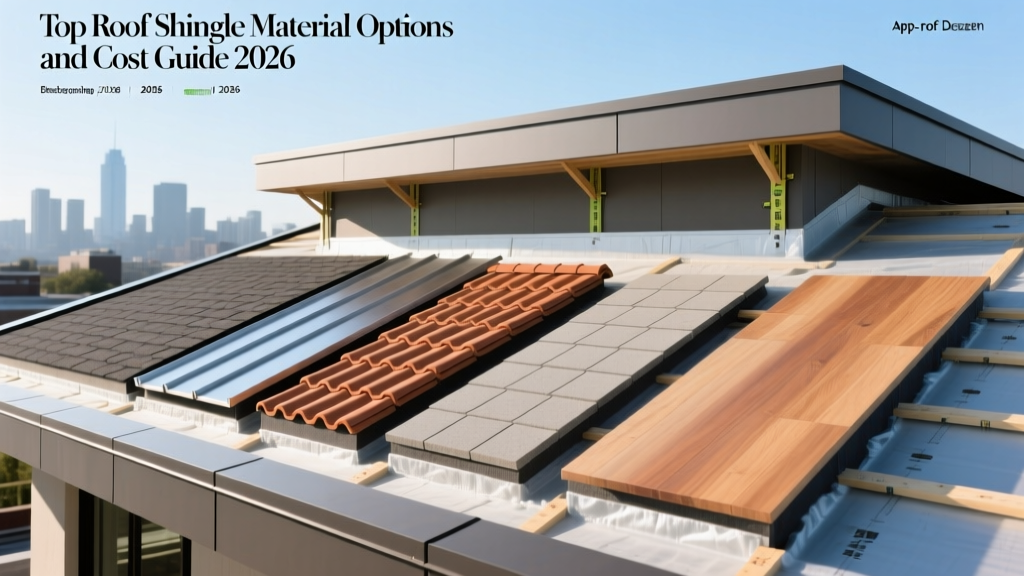
Selecting the correct roof shingle material dictates your home's weather resilience, energy efficiency, and long-term maintenance costs. While asphalt remains the default for most residential builds, advancements in polymer composites and stone-coated steel have shifted the market. This guide breaks down the technical specifications, 2026 pricing, and performance metrics of the primary shingle categories to help you make a data-driven decision.
The Big Four: Comparing Primary Roof Shingle Material Types
Before evaluating specific brands, it is critical to understand the baseline performance metrics of the four dominant shingle categories. The costs below reflect 2026 material pricing per 'square' (100 square feet of roof area), excluding labor, underlayment, and tear-off.
| Material Type | Material Cost / Square | Expected Lifespan | Max Wind Rating | Impact Resistance (UL 2218) |
|---|---|---|---|---|
| Architectural Asphalt | $130 - $190 | 25 - 30 Years | 130 mph | Class 3 or 4 |
| Synthetic / Composite | $450 - $650 | 50+ Years | 110 - 150 mph | Class 4 |
| Cedar Wood Shakes | $350 - $500 | 20 - 30 Years | 90 mph | Class 1 or 2 |
| Stone-Coated Steel | $380 - $550 | 40 - 50 Years | 120 - 170 mph | Class 4 |
Asphalt Shingles: The Industry Standard
Asphalt shingles cover roughly 80% of residential roofs in North America. However, not all asphalt is engineered equally. The market is split into standard oxidized asphalt and SBS (Styrene-Butadiene-Styrene) modified asphalt.
3-Tab vs. Architectural vs. Premium
3-tab shingles ($90-$110 per square) are single-layer, flat, and highly susceptible to wind uplift. Architectural (dimensional) shingles feature a multi-layer laminate construction that creates a shadow line mimicking wood or slate. Premium shingles, such as GAF Grand Canyon or CertainTeed Grand Manor, use heavy, thick laminates to replicate slate but cost upwards of $250 per square.
The SBS Modifier Advantage
For homes in hail-prone regions, specify SBS modified asphalt shingles. The addition of synthetic rubber polymers allows the shingle to flex and absorb impact rather than fracture. Products like Malarkey Vista or Owens Corning Duration Storm utilize SBS modifiers to achieve a UL 2218 Class 4 impact rating. According to the IBHS FORTIFIED Roof standard, installing Class 4 impact-resistant shingles can reduce homeowner insurance premiums by 15% to 30% in states like Texas and Colorado.
Synthetic and Composite Shingles: The Premium Upgrade
Synthetic shingles are injection-molded from engineered polymers, recycled plastics, or rubber. They solve the primary failure points of natural materials: they do not absorb water, they will not rot, and they are impervious to insect damage.
Product Spotlight: DaVinci and EcoStar
DaVinci Roofscapes manufactures virgin polymer shingles that perfectly replicate the texture of hand-split cedar or slate. Their Bellaforté line features an interlocking design that achieves a 110 mph wind rating. EcoStar produces tiles from recycled rubber and plastics (like car bumpers), offering a highly flexible, impact-resistant product that performs exceptionally well in freeze-thaw cycles. Expect to pay $450 to $650 per square for materials, with installed costs ranging from $1,200 to $1,800 per square due to the specialized installation training required.
Wood and Cedar Shakes: Aesthetic vs. Maintenance
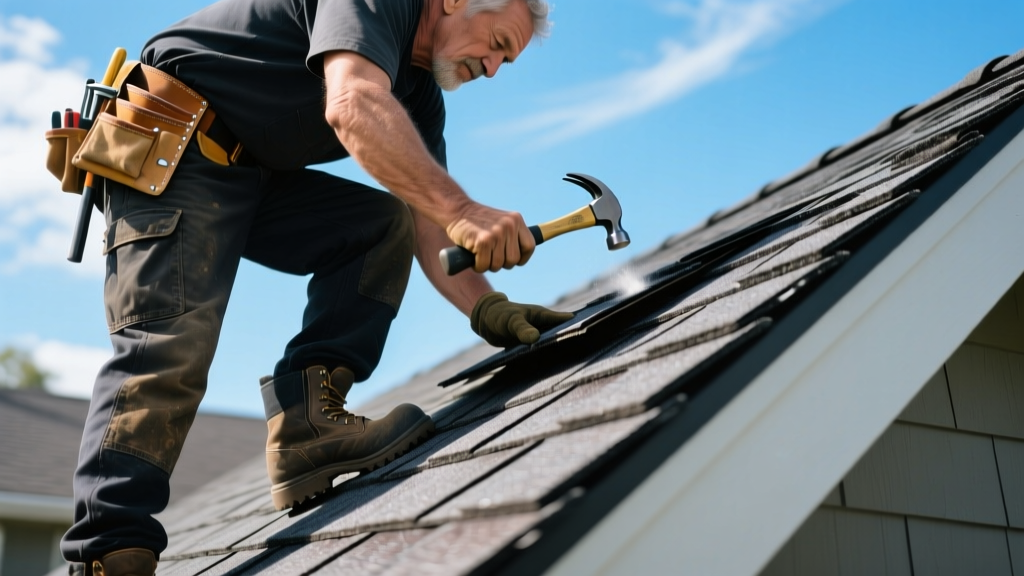
Western Red Cedar remains the gold standard for wood roofing. When specifying cedar, you must choose between edge grain (vertical grain) and flat grain. Edge grain shingles are cut perpendicular to the tree's growth rings, making them significantly more stable and resistant to curling and splitting over time. Always specify 100% edge grain for roofing applications.
Fire Ratings and WUI Compliance
Untreated cedar is highly combustible and banned in many Wildland-Urban Interface (WUI) zones. To meet building codes in fire-prone areas, you must purchase pressure-impregnated fire-retardant shakes, such as those carrying the Certi-Guard designation. These treatments force fire-retardant chemicals deep into the wood cellular structure, achieving a Class A or Class B fire rating. However, be aware that fire-retardant treatments can degrade over 10 to 15 years, requiring re-treatment to maintain compliance and insurance coverage.
Metal Shingles: Stone-Coated Steel
While standing seam metal panels dominate commercial roofs, stone-coated steel shingles are the preferred metal option for residential aesthetics. Brands like DECRA and Metromont stamp galvanized steel into shingle profiles and coat them with acrylic-bonded stone granules.
Hidden Fastener Systems
Unlike corrugated metal roofs that rely on exposed screws (which eventually leak as the rubber washers degrade), stone-coated shingles utilize a hidden interlocking clip system. The panels lock into one another and are nailed through a top flange that is subsequently covered by the next course. This creates a continuous, monolithic surface capable of withstanding Category 4 hurricane winds (up to 170 mph for specific DECRA profiles).
Decision Framework: Matching Shingles to Climate Zones
Do not select a roof shingle material based solely on aesthetics. Use this climate-matching framework to ensure longevity:
- High-Wind / Coastal Zones: Specify stone-coated steel or architectural asphalt with a sealed 6-nail pattern (instead of the standard 4-nail). Ensure the starter strip is fully adhered with roofing cement.
- Hail-Prone Regions (Midwest/Plains): Mandate UL 2218 Class 4 impact resistance. SBS modified asphalt or synthetic polymer shingles are the only viable choices. Avoid standard oxidized asphalt and wood.
- High Heat / Sunbelt: Prioritize solar reflectance. The EPA's Cool Roof guidelines recommend shingles with a Solar Reflectance Index (SRI) of 16 or higher to reduce cooling loads and prevent premature asphalt blistering.
- Heavy Snow / Ice Dams: Material choice matters less than the underlayment system. You must install a self-adhering ice and water shield (e.g., Grace Ice & Water Shield) extending at least 24 inches past the interior exterior wall line.
Hidden Costs and Installation Variables
The material cost is only one fraction of the total project budget. When calculating your 2026 roofing estimate, factor in these critical variables:
Cost Multipliers to Consider
- Tear-Off and Disposal: $100 - $150 per square. Heavier materials like slate or thick architectural shingles cost more to haul away.
- Decking Repair: Budget $75 to $125 per sheet of 5/8-inch CDX plywood or OSB for replacing rotted roof decking. Assume 10% of your deck will need replacement on older homes.
- Synthetic Underlayment: Upgrade from traditional #15 asphalt felt to synthetic underlayment (e.g., Tyvek Protec or GAF FeltBuster). It costs roughly $25 more per square but offers vastly superior tear resistance and slip protection for installers.
- Roof Pitch and Complexity: Roofs with a pitch steeper than 8:12 or those with multiple valleys, dormers, and skylights will incur a 15% to 30% labor premium due to the increased safety equipment and cutting time required.
Frequently Asked Questions
Can I install new shingles over an existing layer?
While building codes in some jurisdictions allow a second layer of asphalt shingles over an existing single layer, the National Roofing Contractors Association (NRCA) strongly advises against it. Overlaying traps heat, accelerates the degradation of the new shingles, adds excessive dead load to the roof trusses, and voids the manufacturer's wind warranty because the nails cannot penetrate deeply enough into the roof deck.
What is the most important factor for a wind warranty?
The shingle brand matters less than the nailing pattern. To achieve maximum wind warranties (130 mph for premium architectural shingles), the installer must use a 6-nail pattern per shingle, place the nails exactly in the manufacturer's designated 'nail line', and use pneumatic coils calibrated to the correct depth so the nail heads sit flush without cutting the fiberglass mat.
Do synthetic shingles require special roof framing?
No. Synthetic and composite shingles generally weigh between 250 and 350 pounds per square, which is comparable to heavy architectural asphalt shingles and significantly lighter than natural slate or clay tile (which can exceed 800 pounds per square). Standard residential roof trusses engineered for 20 psf dead loads can easily support synthetic shingles without structural reinforcement.
Written by
James ThorntonJames Thornton is a construction industry veteran with 25 years of hands-on experience in wood framing, lumber grading, and residential building codes. He started as a framing carpenter in rural Oregon, earned his ICC Residential Building Inspector certification, and eventually became a senior plan reviewer for the City of Portland Bureau of Development Services. James holds a B.S. in Wood Science & Technology from Oregon State University and is a certified lumber grader through the West Coast Lumber Inspection Bureau (WCLIB). He has inspected over 3,000 residential construction sites and authored the city's internal guide on advanced framing techniques (2x6 at 24" O.C.). James lives in Bend, OR, where he builds custom timber-frame cabins and competes in lumberjack sports.
More from James Thornton
View all
Insulation
Best Home Insulation Materials: Complete 2026 Guide
Compare top home insulation materials for 2026. Find R-values, installed costs per square foot, and best uses for fiberglass, spray foam, and mineral wool.
Aug 4, 2026

Sustainable Building
Certify Your Green Building Material for LEED and WELL
Step-by-step guide to certifying a green building material for LEED v5 and WELL v2. Master EPDs, HPDs, and VOC limits for 2026 project specifications.
Aug 4, 2026

Stone & Masonry
Veneer Stacked Stone Panels: Interior Design & Style Showcase
Discover how veneer stacked stone panels transform interiors. Explore modern design profiles, material pairings, and technical installation specs.
Aug 4, 2026