Flat Roof Materials EPDM: A Climate-Specific Performance Guide
Discover how flat roof materials EPDM perform across extreme climates. Compare UV resistance, cold flexibility, and installation costs by region.

The Core Chemistry of EPDM in Diverse Climates
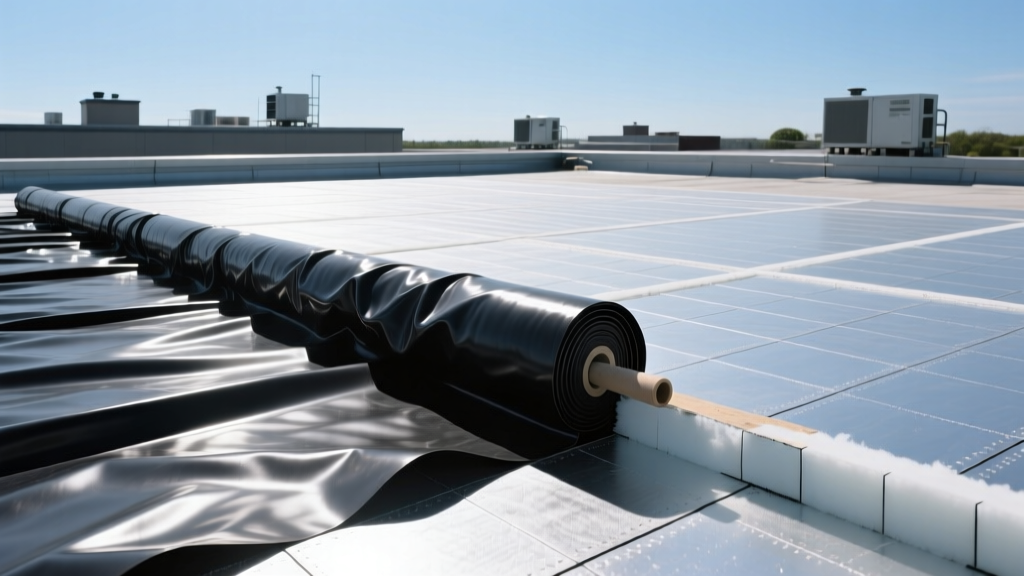
Ethylene Propylene Diene Monomer (EPDM) is a synthetic rubber membrane that has dominated the low-slope and flat roofing market for over five decades. Its molecular structure—specifically the saturated polymer backbone—grants it exceptional resistance to ozone, UV radiation, and extreme temperature fluctuations. However, treating EPDM as a monolithic solution across all geographic zones is a critical error. The performance, longevity, and required installation methodologies of flat roof materials EPDM shift dramatically depending on whether the building sits in a deep-freeze alpine environment, a high-UV desert, or a hurricane-prone coastal corridor.
This guide deconstructs EPDM performance by climate zone, detailing specific membrane thicknesses, adhesive chemistries, and fastening protocols required to prevent catastrophic failure modes in 2026 and beyond.
Climate Performance Matrix: EPDM vs. The Elements
The following matrix outlines how standard EPDM systems react to primary environmental stressors and the specific engineering mitigations required for each zone.
| Climate Zone | Primary Stressor | EPDM Vulnerability | Required Specification & Mitigation |
|---|---|---|---|
| Zones 5-8 (Cold/Snow) | Thermal Shock & Ice | Membrane shrinkage pulling flashings; ice dam punctures. | 60-mil or 90-mil reinforced EPDM; liquid-applied flashing at all penetrations. |
| Zones 1-3 (Hot/Arid) | Intense UV & Heat | Black membrane thermal expansion; accelerated adhesive degradation. | White EPDM (e.g., Carlisle Sure-White) or reflective acrylic topcoats. |
| Coastal/Hurricane | Wind Uplift & Salt | Mechanical fastener back-out; perimeter tearing. | Fully adhered system using low-VOC solvent adhesives; 8-inch O.C. perimeter fastening. |
| Temperate/Humid | Ponding Water & Algae | Seam degradation under constant water immersion. | 45-mil non-reinforced; ensure minimum 1/4-inch per foot taper on polyiso insulation. |
Deep Freeze & Snow Load Regions (Zones 5-8)
Thermal Shock and Membrane Shrinkage
In northern climates, roof surfaces can experience temperature swings of over 100°F within a 24-hour period during seasonal transitions. EPDM maintains a glass transition temperature of approximately -40°F, meaning it remains highly flexible in deep freezes where PVC and TPO membranes become brittle and prone to cracking. However, long-term exposure to thermal cycling causes the EPDM polymer to undergo slight shrinkage over its 30-year lifespan.
If the membrane is tightly adhered or mechanically fastened without adequate slack at the perimeters and penetrations, this shrinkage translates into immense tensile stress. The most common failure mode in Zones 5-8 is the membrane pulling away from parapet walls or pipe boots, leading to immediate water infiltration.
Specification Strategy: Reinforced Membranes
For cold climates, specify a minimum 60-mil reinforced EPDM, such as Elevate (formerly Firestone) RubberGard RE. The internal polyester scrim provides dimensional stability, virtually eliminating thermal shrinkage. Furthermore, avoid relying solely on self-adhering tape for vertical flashings in freezing temperatures. Instead, use a two-part liquid polyurethane flashing system or EPDM primer paired with butyl-backed flashing tape, ensuring the primer is allowed to dwell until completely tack-free (usually 15-30 minutes depending on humidity) before applying pressure.
High-Heat & High-UV Deserts (Zones 2-3)
The Black vs. White EPDM Debate
Standard black EPDM has an emissivity of roughly 0.85 but an albedo (reflectivity) of only 0.05. In desert environments like Arizona or Nevada, a black EPDM roof can easily reach surface temperatures of 175°F during peak summer afternoons. While the EPDM polymer itself can withstand this heat without melting, the underlying polyiso insulation degrades faster at sustained high temperatures, and the building's cooling loads skyrocket.
According to the U.S. Department of Energy, installing a cool roof can reduce peak cooling demand by 10% to 15%. For flat roof materials EPDM in hot zones, contractors must pivot to White EPDM membranes, such as Carlisle Sure-White. White EPDM features a titanium dioxide top layer that reflects up to 78% of solar radiation.
Adhesive Selection in High-VOC Regions
In states with strict air quality regulations, such as California, the use of traditional solvent-based contact adhesives is heavily restricted. When installing white EPDM in hot climates, you must use water-based bonding adhesives or low-VOC compliant solvent adhesives. Water-based adhesives require a much longer flash-off time and will fail if applied when ambient humidity exceeds 80% or if afternoon monsoon rains are imminent. Always consult local SCAQMD or equivalent regional VOC limits before procuring adhesives for desert installations.
'The thermal expansion coefficient of EPDM means that in extreme heat, a 50-foot run of membrane can expand by nearly an inch. If installed fully taut in the morning, the membrane will buckle and create ridges by mid-afternoon. Always install EPDM with slight, deliberate relaxation to accommodate thermal growth.' — Single-Ply Roofing Institute Technical Guidelines
Coastal & High-Wind Corridors (Hurricane Prone)
EPDM is highly resistant to salt spray and chemical degradation, making it an excellent material for coastal environments. The primary threat in these zones is not chemical, but mechanical: wind uplift. During a hurricane or severe tropical storm, negative pressure at the roof corners and perimeters can exceed 100 PSF.
- Avoid Mechanically Attached Systems: In high-wind zones, mechanically fastened EPDM (where the membrane is pinned to the deck and seams are taped) is highly vulnerable. If a single fastener backs out or a seam tape fails, the wind can get underneath and peel the entire roof off like a zipper.
- Mandate Fully Adhered Systems: The membrane must be 100% adhered to the cover board using a continuous coat of approved bonding adhesive. This transfers the wind uplift load directly to the underlying insulation and deck.
- Perimeter Enhancement: At the roof edges, corners, and parapets, supplement the fully adhered system with mechanical fasteners placed at 8 inches on-center, covered by a sacrificial strip of EPDM.
2026 Pricing & Regional Installation Variables
The cost of flat roof materials EPDM varies based on membrane thickness, reinforcement, and regional labor rates. The table below reflects national average commercial pricing for 2026.
| Membrane Specification | Material Cost (Per Sq. Ft.) | Installed Cost (Per Sq. Ft.) | Best Climate Application |
|---|---|---|---|
| 45-Mil Non-Reinforced (Black) | $2.80 - $3.40 | $7.50 - $9.50 | Temperate, low-risk residential |
| 60-Mil Non-Reinforced (White) | $4.10 - $4.80 | $9.50 - $12.00 | Hot/Arid, high solar exposure |
| 60-Mil Reinforced (Black) | $4.50 - $5.20 | $10.50 - $13.50 | Cold/Snow, heavy thermal cycling |
| 90-Mil Reinforced (Black) | $6.00 - $7.10 | $13.00 - $16.50 | Hail-prone, severe coastal wind |
Note: Installed costs include polyiso insulation (tapered), cover boards, adhesives, flashings, and labor. Fully adhered systems command a 15-20% premium over mechanically attached systems due to the cost of adhesives and increased labor time.
Expert Troubleshooting: Climate-Induced Failure Modes
Ponding Water and Seam Delamination
While EPDM handles ponding water far better than asphalt-based systems, constant water immersion will eventually degrade standard lap seam tapes. In humid or rainy climates where flat roofs lack adequate taper, water pools around drains. If standard unprimed tape was used for the seams, hydrostatic pressure will force water into the microscopic gaps of the adhesive, causing delamination within 3 to 5 years. The Fix: Always use EPDM primer and butyl-backed tape for horizontal seams, and apply a bead of EPDM lap sealant at the leading edge of the overlap to prevent water migration.
Shrinkage at Pipe Penetrations
In cold climates, the most frequent leak occurs at HVAC pipe penetrations. Contractors often use pre-molded EPDM pipe boots that are glued to the field membrane. Over 10 years of thermal cycling, the field membrane shrinks, pulling the pipe boot downward and tearing the rubber at the base of the pipe. The Fix: Do not rely on glue alone. Use a stainless steel draw-band clamp at the top of the pipe boot, and install a reinforced EPDM walk-pad or pourable sealer pocket at the base to absorb the tensile stress of membrane movement.
UV Degradation of Auxiliary Components
While the EPDM membrane itself resists UV degradation, the auxiliary components often do not. In high-UV zones, contractors frequently use standard PVC or neoprene flashings to save money. These materials will crack and chalk within a decade, even if the EPDM field is perfectly intact. The Fix: Ensure all flashings, walkpads, and expansion joint covers are manufactured from the exact same EPDM polymer as the field membrane to ensure uniform weathering and thermal expansion rates.
For further reading on mitigating urban heat islands and the environmental impact of reflective roofing systems, refer to the Environmental Protection Agency's Cool Roofs guidelines. Selecting the correct flat roof materials EPDM requires matching the polymer's physical properties to the specific environmental loads of the building's geographic location.
Written by
Sarah WhitfieldSarah Whitfield is a chartered quantity surveyor (MRICS) and construction cost analyst with 15 years of experience in material pricing, procurement strategy, and project budgeting. She earned her degree in Construction Management from the University of Reading (UK) and has worked on projects ranging from $2M custom homes to $180M mixed-use developments across North America and Europe. Sarah currently leads cost estimating for BuildMat Insight, maintaining a proprietary database of 4,000+ material price points updated quarterly. She is a frequent contributor to RSMeans cost data panels and has presented at the International Cost Engineering Council (ICEC) congress. Based in Denver, CO, Sarah is an avid trail runner and volunteer mentor for Women in Construction.
More from Sarah Whitfield
View all
Wood & Lumber
What Are the Different Types of Wood? A Builder's Guide
Compare structural softwoods, finish hardwoods, and engineered lumber. Analyze Janka ratings, MOE values, and 2026 pricing for construction.
Aug 4, 2026

Walls & Panels
Steel Framing vs Wood Framing: Corrosion and Moisture Defense
Compare steel framing vs wood framing for moisture resistance. Learn about galvanized coatings, condensation risks, and corrosion protection strategies.
Jul 21, 2026

Stone & Masonry
How to Cut Stone Veneer: Wet Saw vs Grinder Comparison
Compare the best tools for cutting stone veneer. We review wet saws, angle grinders, and chop saws to help you achieve clean, chip-free cuts.
Jul 21, 2026