Fire Resistant Clothing Materials Compared: 2026 Buyer Guide
Compare top fire resistant clothing materials for 2026. Analyze Nomex, PBI, modacrylic, and FR cotton for ATPV ratings, costs, and NFPA compliance.

The Critical Divide: Inherent vs. Treated Fire Resistant Clothing Materials
When sourcing personal protective equipment (PPE) for high-risk environments, understanding the molecular difference between inherent and treated fire resistant clothing materials is the first step in preventing catastrophic burn injuries. Inherent flame-resistant (FR) fabrics, such as meta-aramids and modacrylics, possess thermal resistance built directly into their polymer chains. They will never lose their protective qualities, regardless of how many times they are laundered or subjected to field abrasion. Treated FR fabrics, conversely, rely on chemical applications—typically ammonia-cured polymers or phosphonium salt pre-condensates—applied to standard cellulose fibers like cotton.
While treated cotton remains a staple in heavy industry due to its lower upfront cost and high breathability, the 2026 industrial safety landscape heavily favors inherent materials for lifecycle cost efficiency and guaranteed compliance. Choosing the wrong fabric matrix for a specific hazard—such as specifying flash-fire gear for an arc-flash hazard—can result in fatal energy transfer to the wearer. This guide provides a deep-dive comparison of the primary FR textiles on the market, analyzing their thermal performance, failure modes, and true cost of ownership.
Quick Hazard-to-Material Decision Matrix
- Arc Flash (NFPA 70E): Modacrylic blends or Nomex IIIA (Target: ATPV 8-40 cal/cm²)
- Flash Fire (NFPA 2112): PBI Matrix or Nomex (Target: TPP > 6.0, zero body burn)
- Welding / Molten Splash: Heavyweight FR-Treated Cotton or Leather (Resists slag burn-through)
- Wildland Firefighting: Tecapro or lightweight Aramid blends (High breathability, UV resistance)
Deep Dive: Top 5 Fire Resistant Clothing Materials
1. Meta-Aramid (Nomex IIIA)
Meta-aramid fibers, most notably recognized under the DuPont brand name Nomex, represent the industry standard for inherent FR protection. DuPont Nomex IIIA is a highly engineered tri-blend consisting of 93% meta-aramid, 5% para-aramid (Kevlar) for added tensile strength and tear resistance, and 2% anti-static carbon filament. This specific matrix prevents the buildup of static electricity, which is critical in petrochemical environments where a static spark could ignite volatile gases.
A standard 4.5 oz/yd² Nomex IIIA twill fabric yields an Arc Thermal Performance Value (ATPV) of approximately 8.6 cal/cm². While it excels in thermal protection and boasts a lifespan exceeding 5 years of heavy industrial laundering, meta-aramids are notoriously susceptible to UV degradation. Prolonged exposure to direct sunlight will cause the fabric to fade and lose up to 30% of its tensile strength, though its inherent flame resistance remains entirely unaffected.
2. Polybenzimidazole (PBI Matrix)
Polybenzimidazole (PBI) is the undisputed heavyweight champion of thermal stability. PBI fibers do not ignite, burn, melt, or drip in the presence of oxygen, and they maintain their structural integrity at temperatures exceeding 1,500°F (815°C). In modern PPE, PBI is rarely used alone; it is typically blended with para-aramids (like Kevlar) to create 'PBI Matrix' fabrics. This combination yields exceptional Thermal Protective Performance (TPP) ratings, making it the mandatory choice for structural firefighting turnout gear and high-hazard petrochemical flash-fire suits.
The primary barrier to PBI adoption is cost. At roughly $85 to $120 per linear yard for mid-weight knits, PBI garments command a premium 3x to 4x higher than standard aramids. Furthermore, PBI is naturally a golden-brown color and cannot be dyed using standard commercial processes, limiting aesthetic options for corporate uniform programs.
3. Modacrylic Blends (Protex / Lenzing FR)
Modacrylics are inherently flame-resistant synthetic copolymers that offer a softer, more cotton-like hand feel compared to the stiff, abrasive nature of aramids. Modern modacrylic fibers, such as Kaneka's Protex, are almost always blended with FR rayon (Lenzing FR) and high-tenacity nylon or cotton to improve durability and moisture-wicking properties. A common 2026 blend is 60% modacrylic, 35% cotton, and 5% nylon.
Modacrylic blends dominate the electrical utility sector. A 7.0 oz/yd² modacrylic/cotton blend typically achieves an ATPV of 9.5 to 12 cal/cm², easily satisfying NFPA 70E Category 2 requirements. They are also highly resistant to chemical degradation from acids and alkalis, making them ideal for battery storage facility technicians who face combined arc-flash and chemical splash hazards.
4. FR-Treated Cotton (Indura / Proban)
For environments where extreme heat is less of a concern than molten metal splash or brief contact burns, FR-treated cotton remains highly relevant. The 'Indura' process involves an ammonia-cured treatment that cross-links a flame-retardant polymer into the cotton fiber core. Unlike older topical treatments that washed out after 10 cycles, modern Indura-treated cotton is guaranteed to maintain its FR properties for the usable life of the garment (typically rated for 50 to 100 industrial wash cycles).
However, treated cotton is heavy. Achieving an ATPV of 11 cal/cm² requires a dense 9.0 oz/yd² fabric, which traps body heat and increases the risk of heat stress in outdoor summer environments. Additionally, if the garment is torn or heavily abraded, the physical loss of the treated fibers directly reduces the localized thermal protection.
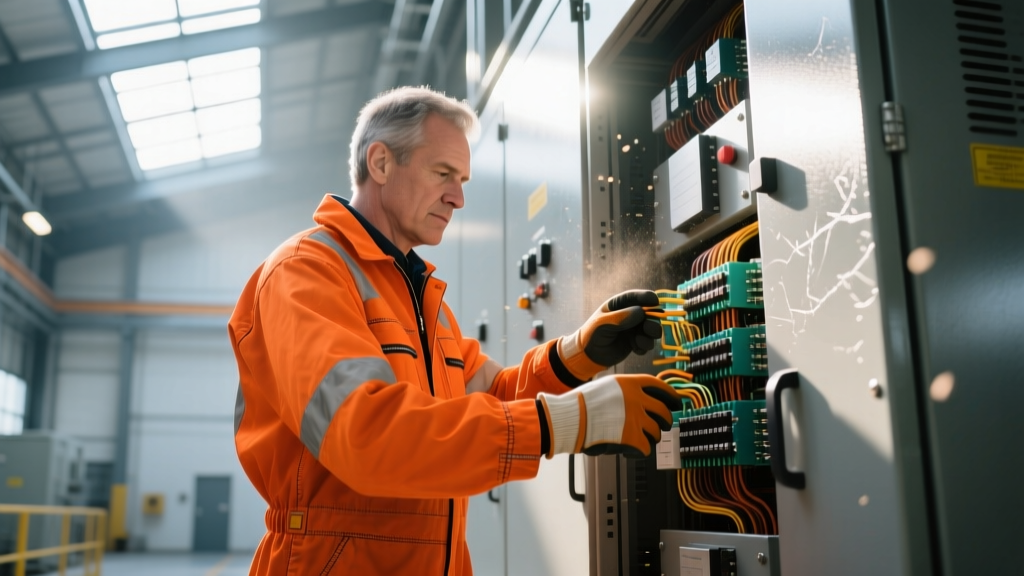
Comparative Performance & Cost Matrix (2026 Data)
| Material Matrix | Type | Typical Weight & ATPV | Avg. Cost / Yard | Best Use Case |
|---|---|---|---|---|
| Nomex IIIA (93/5/2) | Inherent | 4.5 oz | ~8.6 cal/cm² | $28 - $35 | Oil & Gas, General Utility |
| PBI Matrix (60/40) | Inherent | 5.5 oz | ~14.0 cal/cm² | $90 - $120 | Firefighting, Extreme Flash Fire |
| Modacrylic Blend | Inherent | 7.0 oz | ~11.0 cal/cm² | $16 - $22 | Electrical Utility, EV Battery Techs |
| FR-Treated Cotton | Treated | 9.0 oz | ~11.5 cal/cm² | $12 - $18 | Welding, Foundry, Heavy Construction |
Understanding the Ratings: ATPV vs. Ebt vs. TPP
Procurement officers frequently make the mistake of assuming a higher 'calorie' rating universally means a better garment. Under ASTM F1959 testing protocols, fabrics are evaluated for their response to arc flash energy. If a fabric insulates the skin up to the onset of a second-degree burn before it physically tears or breaks open, it is assigned an ATPV (Arc Thermal Performance Value). However, if the fabric physically ruptures or breaks open before the heat transfer reaches the second-degree burn threshold, it is assigned an Ebt (Energy Breakopen Threshold) rating.
Expert Insight: Knitted modacrylic fabrics often receive an Ebt rating rather than ATPV because knits stretch and break open under extreme thermal shock faster than woven twills. A woven Nomex garment with an 8.6 cal ATPV may actually provide better real-world survivability in a high-blast-pressure arc event than a knit modacrylic with a 9.0 cal Ebt rating, because the woven structure maintains its physical barrier integrity.
For flash-fire hazards governed by NFPA 2112, the metric shifts to TPP (Thermal Protective Performance). TPP measures heat transfer from a combined convective and radiant heat source. A minimum TPP rating of 6.0 is required, but top-tier PBI garments routinely score above 9.0, buying the wearer critical extra seconds to escape an engulfing fireball.
Real-World Failure Modes and Edge Cases
Specifying the correct fire resistant clothing materials is only half the battle; field misuse accounts for the majority of PPE failures. Safety managers must train crews on these non-obvious edge cases:
The Underlayer Trap
Under OSHA 1910.269 regulations, it is strictly prohibited to wear melting synthetic undergarments (like standard polyester, nylon, or spandex) beneath FR outerwear. During an arc flash, the intense radiant heat can pass through the outer FR layer and melt the synthetic underlayer directly into the worker's skin, causing severe secondary burns even if the outer shell remains completely intact. Only 100% natural fibers (cotton/wool) or certified FR underlayers are permitted.
Contamination and the 'Wick' Effect
FR fabrics are designed not to support combustion, but they are not fireproof. If an FR cotton or aramid coverall becomes heavily saturated with flammable contaminants—such as motor oil, hydraulic fluid, or grease—the contaminant itself will ignite. The FR fabric will act as a wick, holding the burning liquid against the skin. Garments contaminated with flammable liquids must be immediately removed and either professionally laundered or destroyed.
Laundering Degradation
Industrial laundering mistakes silently destroy FR gear. The use of chlorine bleach or hydrogen peroxide at high concentrations will strip the flame-retardant polymers from treated cotton and severely degrade the molecular bonds of meta-aramids. Furthermore, the use of fabric softeners or starch is highly dangerous; these additives coat the fibers in a layer of petroleum-derived or carbohydrate-based chemicals that are highly flammable, effectively turning an FR garment into a wick.
Maintenance and Lifecycle Cost Analysis
When calculating the total cost of ownership for an FR clothing program, the initial purchase price is misleading. A $150 modacrylic jacket may need replacement every 18 months due to physical abrasion and tearing in rugged environments. Conversely, a $400 Nomex IIIA jacket will easily withstand 5 years of weekly industrial washings without losing its protective integrity or structural cohesion.
For companies implementing large-scale uniform programs in 2026, the shift toward inherent aramid and modacrylic blends is driven by liability reduction. Because inherent materials cannot be 'washed out' or degraded by improper chemical exposure in the field, they provide a permanent, verifiable shield against compliance violations, making them the superior investment for long-term industrial safety strategies.
Written by
James ThorntonJames Thornton is a construction industry veteran with 25 years of hands-on experience in wood framing, lumber grading, and residential building codes. He started as a framing carpenter in rural Oregon, earned his ICC Residential Building Inspector certification, and eventually became a senior plan reviewer for the City of Portland Bureau of Development Services. James holds a B.S. in Wood Science & Technology from Oregon State University and is a certified lumber grader through the West Coast Lumber Inspection Bureau (WCLIB). He has inspected over 3,000 residential construction sites and authored the city's internal guide on advanced framing techniques (2x6 at 24" O.C.). James lives in Bend, OR, where he builds custom timber-frame cabins and competes in lumberjack sports.
More from James Thornton
View all
Insulation
Best Home Insulation Materials: Complete 2026 Guide
Compare top home insulation materials for 2026. Find R-values, installed costs per square foot, and best uses for fiberglass, spray foam, and mineral wool.
Aug 4, 2026

Sustainable Building
Certify Your Green Building Material for LEED and WELL
Step-by-step guide to certifying a green building material for LEED v5 and WELL v2. Master EPDs, HPDs, and VOC limits for 2026 project specifications.
Aug 4, 2026

Stone & Masonry
Veneer Stacked Stone Panels: Interior Design & Style Showcase
Discover how veneer stacked stone panels transform interiors. Explore modern design profiles, material pairings, and technical installation specs.
Aug 4, 2026