Waterproof Material Joann Fabric Options: Vinyl vs PUL vs Canvas
Compare top waterproof material Joann fabric options for DIY outdoor and construction projects. We test marine vinyl, PUL, and treated canvas.

The DIY Contractor’s Guide to Retail Waterproof Fabrics
When heavy-duty construction membranes like EPDM rubber or TPO are overkill for a project, DIY contractors, custom fabricators, and homeowners frequently turn to retail textile suppliers. Sourcing a reliable waterproof material Joann fabric inventory provides an accessible, cost-effective alternative for light structural weatherproofing, custom patio enclosures, equipment covers, and temporary moisture barriers. However, the term 'waterproof' is heavily misused in retail textile environments. True waterproofing requires a material that prevents water penetration under specific hydrostatic pressure, whereas water-resistant fabrics merely delay moisture ingress.
Navigating the aisles of a major craft and utility fabric retailer requires a clear understanding of polymer coatings, denier counts, and seam-sealing mechanics. This guide compares the primary waterproof and water-resistant material categories available in retail fabric environments, evaluating their structural integrity, UV degradation rates, and optimal construction applications for 2026.
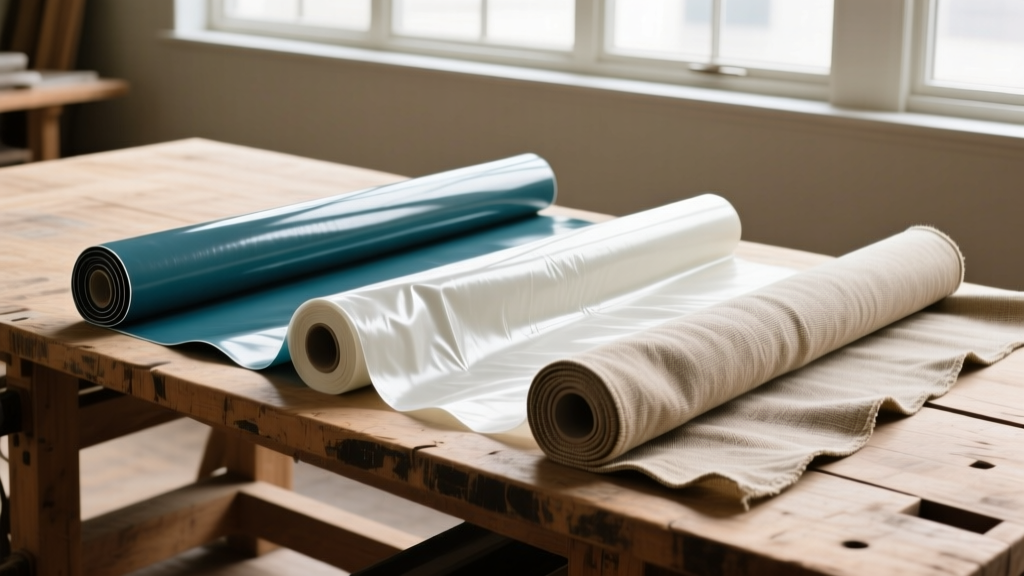
Material Comparison Matrix: Hydrostatic Head & Tear Strength
Before selecting a material, it is critical to understand its hydrostatic head rating—the measure of water pressure (in millimeters) a fabric can withstand before leaking. Below is a comparative analysis of the core fabric types found in retail outdoor and utility sections.
| Material Type | Hydrostatic Head (mm) | Tear Strength | UV Resistance | Avg. Cost (2026) | Best Construction Use |
|---|---|---|---|---|---|
| Marine Vinyl (PVC) | 10,000+ (Fully Impermeable) | High (Warp/Weft reinforced) | Excellent (500+ hours) | $18 - $45 / yd | Outdoor upholstery, truck tarps |
| Polyurethane Laminate (PUL) | 3,000 - 5,000 | Low to Medium | Poor (Degrades in direct UV) | $12 - $22 / yd | Interior vapor barriers, liners |
| Silicone-Coated Ripstop | 1,500 - 3,000 | Medium (High tensile, low tear) | Good | $15 - $30 / yd | Lightweight equipment covers |
| Acrylic Canvas (e.g., Sunbrella) | 800 - 1,200 (Water-Resistant) | Very High | Exceptional (1000+ hours) | $25 - $50 / yd | Breathable awnings, shade sails |
Marine Vinyl: The Heavy-Duty Structural Contender
Found in the 'Utility and Outdoor' sections, marine vinyl is a polyvinyl chloride (PVC) fabric backed with a polyester knit. It is the closest retail equivalent to commercial-grade waterproofing membranes. The PVC surface is entirely non-porous, making it inherently waterproof without relying on secondary DWR (Durable Water Repellent) coatings that wash off over time.
Specifications and Edge Cases
When sourcing marine vinyl for structural or heavy-duty outdoor use, look for a weight of at least 30 to 40 ounces per linear yard. Lighter weights (under 20 oz) will puncture easily under wind load or physical abrasion. Modern marine vinyls incorporate UV inhibitors and antimicrobial treatments to prevent mildew growth in high-humidity environments.
- Pros: 100% waterproof, highly abrasion-resistant, easy to clean with solvents, available in varied textures and thicknesses.
- Cons: Zero breathability (traps condensation if used as an enclosure), stiff in freezing temperatures, requires heavy-duty sewing machines or industrial welding.
- Fabrication Tip: Use a Size 18/110 or 20/125 titanium-coated needle. Standard needles will deflect off the dense PVC surface or break under the friction heat.
Polyurethane Laminate (PUL): Flexible Moisture Barriers
PUL is typically found in the quilting or baby-product aisles, but its technical properties make it highly valuable for specific construction and fabrication applications. PUL consists of a lightweight polyester interlock knit bonded to a thin film of polyurethane. According to technical guidelines from fabric experts at Sailrite, polyurethane coatings offer superior flexibility and cold-weather performance compared to PVC, though they sacrifice raw abrasion resistance.
Applications in Light Construction
PUL is ideal for creating flexible interior vapor barriers, custom moisture-proof liners for equipment cases, or temporary weather-sealing for sensitive interior woodworking projects. It is highly breathable to water vapor while blocking liquid water, a property that prevents mold buildup in enclosed spaces.
PUL is highly susceptible to ultraviolet degradation. If used in an outdoor application, it must be completely shielded from direct sunlight. Prolonged UV exposure will cause the polyurethane film to delaminate from the knit backing and become brittle within a single season.
Treated Canvas and Acrylics: Water-Resistant vs. Waterproof
Retailers heavily market treated canvases and solution-dyed acrylics (like Sunbrella) as 'outdoor fabrics.' It is vital to distinguish between water-resistant and waterproof. As explained in the technology breakdown by Gore-Tex, water-resistant fabrics rely on surface tension and DWR coatings to bead water, but they will eventually wet out under sustained hydrostatic pressure or physical contact.
Solution-dyed acrylics, prominently featured in retail patio and awning sections, are woven fabrics treated with a fluorocarbon finish. They are designed to breathe, allowing hot air and moisture vapor to escape from underneath an awning or enclosure. If you require a fabric that will not leak during a sustained, driving rainstorm while under tension, acrylic canvas is the wrong choice. However, for shade sails, pergola covers, and breathable equipment tarps where condensation buildup is a primary concern, high-end acrylics outperform impermeable vinyls.
For maintenance, Sunbrella recommends reapplying a fluorocarbon water repellent treatment every 12 to 18 months to maintain the fabric's hydrophobic surface tension, a critical maintenance step often ignored by DIY builders.
The Critical Failure Point: Seams and Hardware
The most common failure in DIY waterproofing projects is not the fabric itself, but the seams. Every time a needle pierces a waterproof membrane like marine vinyl or PUL, it creates a permanent capillary channel for water ingress. Relying on the fabric's inherent waterproofing while using standard sewing techniques guarantees leakage.
- Thread Selection: Never use cotton or standard polyester thread for outdoor waterproofing. Use 100% PTFE (polytetrafluoroethylene) thread, such as Tenara. PTFE is completely impervious to UV rot and chemical degradation, ensuring the seam outlasts the fabric.
- Needle Size: Use the smallest needle possible that can still penetrate the material to minimize the puncture hole size.
- Seam Sealers: For PVC and marine vinyl, apply a liquid PVC weld or a specialized urethane seam sealer (like McNett Seam Grip) to the underside of the stitch line. For silicone-coated ripstop, you must use a silicone-specific seam sealer; standard urethane sealers will peel off silicone coatings immediately.
- Hardware: When installing grommets or spur rivets, apply a bead of marine-grade polyurethane sealant (e.g., 3M 5200 or Sikaflex) under the washer before crimping to prevent water from wicking through the metal-to-fabric interface.
Decision Framework: Matching Fabric to Project
Selecting the correct waterproof material Joann fabric inventory requires matching the material's physical properties to the environmental stressors of your specific project. Use the following framework to finalize your material choice:
Scenario A: High-Abrasion, High-Moisture Enclosures
Project: Custom truck bed covers, heavy-duty outdoor furniture, or marine instrument covers.
Selection: 40oz Marine Vinyl. The impermeable PVC surface handles pooling water, physical abrasion from cargo, and frequent cleaning with harsh chemicals. Ensure all seams are heat-welded or sealed with liquid PVC.
Scenario B: Breathable Exterior Shade and Weather Deflection
Project: Pergola canopies, patio shade sails, or outdoor curtains.
Selection: Solution-Dyed Acrylic Canvas. While not 100% waterproof under heavy hydrostatic pressure, its breathability prevents the 'greenhouse effect' and condensation buildup underneath the structure. The high UV resistance ensures the color and structural integrity remain intact for up to a decade.
Scenario C: Interior Vapor Barriers and Flexible Liners
Project: Lining interior wooden planters, creating custom moisture barriers for basement shelving, or waterproofing the interior of canvas tool rolls.
Selection: Polyurethane Laminate (PUL). Its high flexibility, lightweight nature, and complete liquid-water impermeability make it the ideal secondary liner. Keep it strictly out of direct sunlight to prevent UV delamination.
By understanding the precise chemical and structural differences between retail fabric categories, DIY builders can bypass expensive commercial membrane suppliers while achieving professional-grade weatherproofing results. Always prioritize seam integrity and UV stability over initial cost per yard to ensure the longevity of your weather-resistant structures.
Written by
David NakamuraDavid Nakamura is a licensed architect (AIA) and construction technology writer focused on sustainable building methods, mass timber engineering, and high-performance building envelopes. He holds a Master of Architecture from the University of Washington and is a certified Passive House Consultant (CPHC). David spent eight years at the Seattle firm Mithun, where he led the design of three LEED Platinum projects, before founding his own practice specializing in net-zero residential design. He serves on the editorial advisory board of GreenBuilder Magazine and has authored peer-reviewed papers on cross-laminated timber (CLT) connections for the Journal of Structural Engineering. In his spare time, David teaches woodworking at Pratt Fine Arts Center and kayaks the Puget Sound.
More from David Nakamura
View all
Construction Cost
Labor Cost to Build a Deck Per Sq Ft: 2026 Installation Guide
Discover the exact labor cost to build a deck per sq ft in 2026. This installation guide breaks down contractor rates, complexity factors, and hidden fees.
Aug 4, 2026

Construction Cost
How Much Does It Cost to Build a 3 Bedroom House? Financing Guide
Learn exactly how much it costs to build a 3 bedroom house and explore 2026 financing options, construction loan types, and budget frameworks for your build.
Aug 4, 2026

Construction Cost
Cost to Build a Tennis Court: 2026 Guide
How much does it cost to build a tennis court in 2026? Breakdowns for asphalt, concrete, and synthetic surfaces plus fencing and lighting.
Jul 30, 2026