Does Joann Fabrics Waterproof Material Meet Building Codes?
Analyze if Joann Fabrics waterproof material meets IBC and NFPA building codes for interior finishes, vapor barriers, and commercial upholstery.
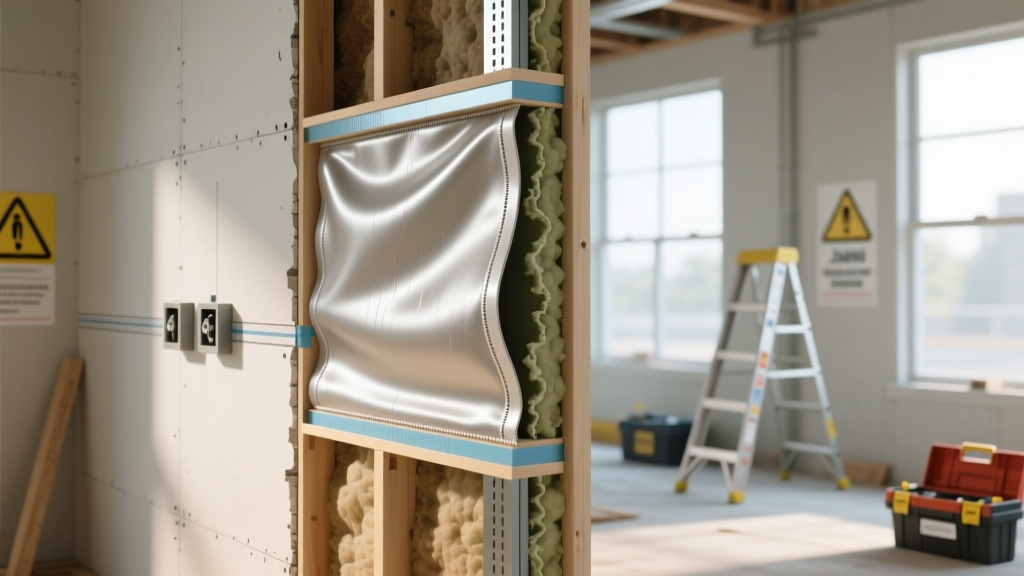
The Intersection of Retail Textiles and Building Codes
Architects, interior designers, and boutique builders occasionally source specialized textiles from retail craft stores for bespoke interior elements. When specifying a joann fabrics waterproof material for projects like custom acoustic baffles, healthcare privacy curtains, or temporary event tensile structures, a critical question arises: do these consumer-grade moisture-resistant fabrics meet commercial and residential building codes?
The short answer is nuanced. While retail textiles excel in consumer water repellency, they are rarely manufactured to meet the stringent structural, fire, and vapor-permeability standards mandated by the International Building Code (IBC) and the National Fire Protection Association (NFPA). As of the 2026 IBC adoption cycle, building inspectors are increasingly scrutinizing non-standard interior finishes. Understanding the exact boundary between consumer water resistance and code-compliant building materials is essential to avoid failed inspections and costly tear-outs.
Material Breakdown: Retail Waterproof Textiles vs. IBC Standards
To determine code compliance, we must evaluate specific materials commonly found in the waterproof textile aisles of craft retailers against the standards required for interior finishes (IBC Chapter 8). The table below contrasts consumer water-repellency ratings with commercial building requirements.
| Material Type | Water Resistance Standard | NFPA 701 Fire Rating (Untreated) | Permitted Building Applications |
|---|---|---|---|
| Polyurethane Laminate (PUL) | AATCC 127 (Hydrostatic Pressure) | Fails (Melts/Drips) | Healthcare privacy curtains (if FR treated) |
| Oilcloth (Vinyl-Backed) | AATCC 22 (Spray Test Class 100) | Fails (High Smoke Toxicity) | Residential decorative upholstery only |
| Treated Canvas (Duck Cloth) | AATCC 22 (Spray Test Class 90) | Variable (Depends on Wax/Coating) | Temporary event tents, acoustic wraps |
| Ripstop Nylon (DWR Coated) | AATCC 22 (Spray Test Class 80) | Fails (Rapid Flame Spread) | Non-commercial temporary installations |
The Fire Code Trap: NFPA 701 and Moisture-Resistant Fabrics
The most common point of failure for retail waterproof fabrics in commercial construction is fire code compliance. According to NFPA 701, the standard method of fire tests for flame propagation of textiles and films, any fabric used as an interior finish, drapery, or suspended acoustic element in a commercial space must pass rigorous burn and smoke density tests.
The Chemical Conflict: Waterproofing vs. Fire Retardancy
A major technical hurdle is that the chemical compounds used to make fabrics waterproof often directly conflict with fire retardancy.
- Waxes and Oils: Traditional oilcloth and waxed canvas utilize petroleum-based or natural wax coatings to achieve high hydrostatic resistance. These coatings are highly combustible and will cause the fabric to fail NFPA 701 instantly.
- DWR (Durable Water Repellent) Fluorocarbons: While some modern DWR coatings are less flammable, they do not provide inherent fire resistance. When exposed to the ignition sources specified in NFPA 701, the base nylon or polyester substrate will melt, drip, and propagate flame.
- Polyurethane Backings: PUL fabrics, prized for their total impermeability, contain polyurethane films that release toxic hydrogen cyanide and carbon monoxide when burned, violating commercial smoke-developed index limits outlined in IBC Section 803.
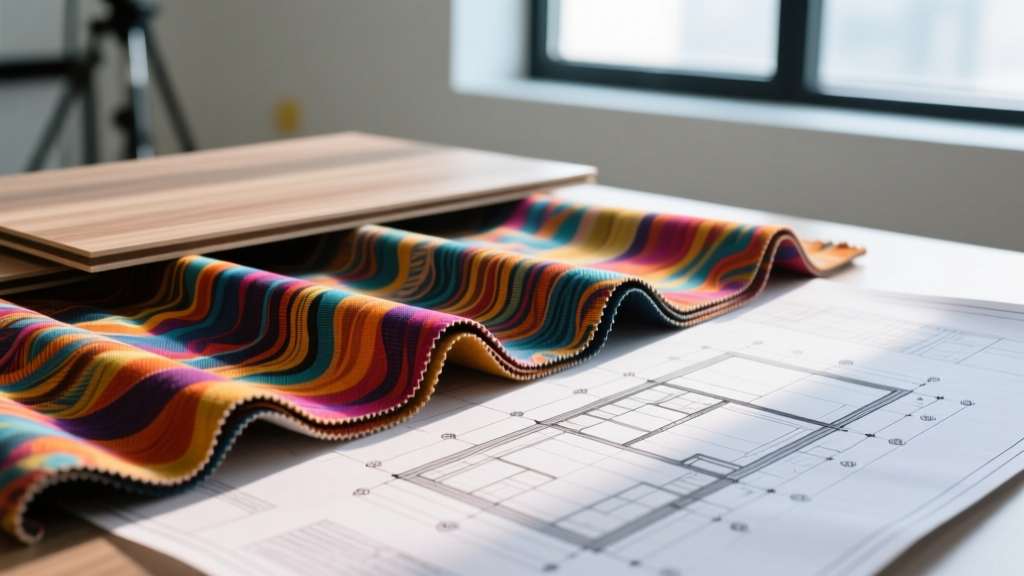
The Permeability Problem: Why Craft Fabrics Fail as Vapor Barriers
Builders sometimes attempt to use heavy-duty PUL or vinyl-coated fabrics from craft stores as makeshift vapor barriers in residential wet areas (e.g., behind shower tile backer boards or in basement wall assemblies). This is a severe code violation.
The U.S. Department of Energy classifies vapor retarders into three classes based on their permeance (perms) measured via ASTM E96. A true Class I vapor retarder (like 6-mil polyethylene sheeting) must have a perm rating of 0.1 or less. While a craft PUL fabric may stop liquid water (hydrostatic pressure), its water vapor transmission rate (WVTR) is rarely tested or certified for building envelope dynamics. Furthermore, retail fabrics lack the puncture resistance and UV-stability required for construction environments. If a building inspector requests the manufacturer's ASTM E96 certification data sheet for a vapor barrier and you provide a retail craft receipt, the installation will be red-tagged and torn out.
✔ Approved Use Cases
- Upholstery for residential furniture in wet zones (bathrooms/kitchens)
- Decorative fabric wraps for acoustic panels (requires secondary FR treatment)
- Temporary tensile structures for outdoor events (under 400 sq ft)
- Custom shower curtains for hospitality (non-structural)
✘ Prohibited Use Cases
- Shower pan liners or waterproofing membranes behind tile
- Class I, II, or III vapor retarders in wall cavities
- Exterior wall coverings or weather-resistive barriers (WRB)
- Suspended ceiling baffles in commercial egress paths
How to Get Retail Fabrics Code-Approved for Commercial Interiors
If your design absolutely requires the specific aesthetic, colorway, or texture of a waterproof fabric sourced from a retail craft supplier for a commercial interior fit-out, you must bridge the gap between consumer manufacturing and commercial code compliance. Follow this exact protocol to satisfy the Authority Having Jurisdiction (AHJ):
- Source the Raw Material: Purchase the untreated or standard DWR-treated base fabric (e.g., heavy-duty canvas or polyester ripstop) in sufficient yardage.
- Apply a Commercial Fire Retardant: Treat the fabric with an intumescent or chemical fire retardant specifically designed to not compromise the fabric's water repellency. Products like Flamecheck M-130 or No-Burn are formulated for textiles.
- Third-Party Laboratory Testing: Do not rely on the chemical manufacturer's in-house claims. Send a treated sample to an accredited testing laboratory (such as Intertek, SGS, or UL) for formal IBC Chapter 8 and NFPA 701 testing.
- Obtain the Certificate of Compliance: The lab will issue a formal test report and a physical tag or certificate. This document must be kept on-site and presented to the fire marshal or building inspector during the final interior finishes walkthrough.
Cost and Timeline Implications for Specifiers
Attempting to force retail waterproof materials into commercial building code compliance carries significant soft costs. While the raw material from a craft store might cost $12 to $18 per yard, the compliance process alters the budget drastically:
- Fire Retardant Treatment: Adds $4 to $7 per square yard if done professionally via immersion.
- Lab Testing (NFPA 701): Typically ranges from $800 to $1,500 per fabric SKU, with a turnaround time of 3 to 5 weeks.
- Risk of Failure: If the waterproof coating reacts poorly with the fire retardant (causing the fabric to stiffen, delaminate, or fail the burn test), the entire batch must be scrapped.
For most commercial projects, it is vastly more cost-effective and legally secure to specify architectural-grade, code-compliant textiles from commercial mills (such as Sunbrella Contract, Serge Ferrari, or Mermet) which provide pre-certified NFPA 701 and ASTM E84 documentation out of the box.
Summary Checklist for Architects and Specifiers
Before integrating any consumer-grade moisture-resistant textile into a built environment, verify the following:
- Is the application strictly decorative or non-structural?
- Does the local AHJ require NFPA 701 certification for this specific room occupancy type?
- Has the fabric been tested for smoke-developed index (SDI) and flame-spread index (FSI) per ASTM E84 if applied to walls/ceilings?
- Is the material being used in a capacity that requires an ICC-ES evaluation report?
By respecting the boundary between consumer water repellency and structural building codes, design professionals can avoid hazardous installations and ensure their bespoke interior elements stand up to rigorous municipal inspections.
Written by
James ThorntonJames Thornton is a construction industry veteran with 25 years of hands-on experience in wood framing, lumber grading, and residential building codes. He started as a framing carpenter in rural Oregon, earned his ICC Residential Building Inspector certification, and eventually became a senior plan reviewer for the City of Portland Bureau of Development Services. James holds a B.S. in Wood Science & Technology from Oregon State University and is a certified lumber grader through the West Coast Lumber Inspection Bureau (WCLIB). He has inspected over 3,000 residential construction sites and authored the city's internal guide on advanced framing techniques (2x6 at 24" O.C.). James lives in Bend, OR, where he builds custom timber-frame cabins and competes in lumberjack sports.
More from James Thornton
View all
Insulation
Best Home Insulation Materials: Complete 2026 Guide
Compare top home insulation materials for 2026. Find R-values, installed costs per square foot, and best uses for fiberglass, spray foam, and mineral wool.
Aug 4, 2026

Sustainable Building
Certify Your Green Building Material for LEED and WELL
Step-by-step guide to certifying a green building material for LEED v5 and WELL v2. Master EPDs, HPDs, and VOC limits for 2026 project specifications.
Aug 4, 2026

Stone & Masonry
Veneer Stacked Stone Panels: Interior Design & Style Showcase
Discover how veneer stacked stone panels transform interiors. Explore modern design profiles, material pairings, and technical installation specs.
Aug 4, 2026