Polyurethane Waterproof Material vs Acrylic and Epoxy
Compare polyurethane waterproof material against acrylic and epoxy. Analyze costs, UV stability, elongation, and failure modes for 2026 projects.
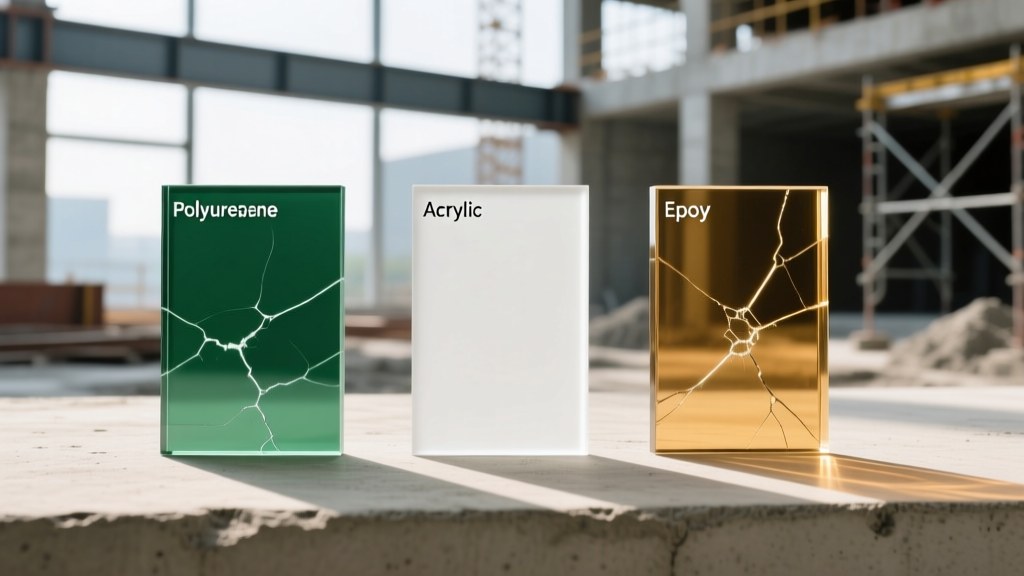
The Core Chemistry: Aromatic vs. Aliphatic Polyurethane
Specifying a polyurethane waterproof material requires an immediate chemical decision: aromatic or aliphatic. This distinction dictates the membrane's lifespan, UV resistance, and overall project cost. According to the Whole Building Design Guide (WBDG), liquid-applied membranes must be matched to their specific environmental exposure, making this chemical split the most critical variable in your design.
Aromatic Polyurethanes (The Workhorse Base)
Aromatic polyurethanes contain benzene rings in their polymer backbone. They offer exceptional tensile strength, high abrasion resistance, and lower material costs. However, they are highly susceptible to UV degradation. When exposed to direct sunlight, aromatic PUs undergo photo-oxidation, leading to chalking, yellowing, and eventual loss of film integrity. They are strictly intended for interior applications, buried environments (like foundation walls), or as a base coat that must be overcoated with a UV-stable topcoat.
Aliphatic Polyurethanes (The UV-Stable Finish)
Aliphatic polyurethanes replace the benzene rings with straight-chain hydrocarbons, rendering them completely UV-stable and colorfast. Products like Sika's Sikalastic series utilize aliphatic chemistry for exposed plaza decks, balconies, and podiums. While aliphatic PUs cost 30% to 45% more than their aromatic counterparts, they eliminate the need for a secondary topcoat, reducing long-term maintenance cycles. For exposed exterior applications, aliphatic polyurethane is the non-negotiable standard.
Head-to-Head Matrix: Polyurethane vs. Alternative Membranes
To understand where polyurethane fits in the modern waterproofing ecosystem, we must compare its physical properties against acrylics, epoxies, and PMMA (polymethyl methacrylate). The data below reflects standard commercial-grade formulations tested under ASTM coatings standards.
| Property | Polyurethane (Aliphatic) | Acrylic Elastomeric | Epoxy | PMMA |
|---|---|---|---|---|
| Elongation (ASTM D412) | 300% - 600% | 150% - 250% | < 50% | 100% - 150% |
| UV Stability | Excellent (Colorfast) | Excellent | Poor (Chalks/Yellows) | Excellent |
| Cure Time (to foot traffic) | 6 - 12 Hours | 24 - 48 Hours | 12 - 24 Hours | 45 - 60 Minutes |
| Moisture Tolerance During Cure | Low (Moisture-cured) | High (Water-based) | Moderate | High |
| Abrasion Resistance | High | Low | Very High | High |
| Typical Material Cost (per sq ft) | $2.80 - $4.50 | $1.20 - $2.00 | $2.50 - $3.80 | $4.00 - $6.50 |
Real-World Performance & Failure Modes
Polyurethane membranes are highly effective, but they are unforgiving during application. Unlike water-based acrylics that can tolerate damp substrates, polyurethanes demand rigorous substrate preparation. Understanding these failure modes is critical for architects and contractors.
⚠ Warning: The Outgassing Pinhole Effect
Polyurethanes react with moisture to cure. If applied to concrete with a moisture vapor emission rate (MVER) exceeding 3 lbs per 1,000 sq ft per 24 hours (or >75% RH per ASTM F2170), the chemical reaction generates carbon dioxide gas. This gas becomes trapped in the viscous liquid, creating thousands of microscopic pinholes upon curing. These pinholes compromise the membrane's hydrostatic resistance, leading to immediate leaks.
Adhesion Loss and Hydrostatic Blistering
Polyurethane relies on mechanical and chemical bonding to the substrate. If the concrete surface is not shot-blasted or diamond-ground to a minimum CSP (Concrete Surface Profile) of 3, the membrane will delaminate under thermal cycling. Furthermore, while polyurethane has high elongation, it is not a vapor barrier. If negative-side hydrostatic pressure builds up behind the membrane without a proper vapor retarder in the slab assembly, osmotic blistering will tear the membrane from the substrate.
2026 Cost Breakdown & ROI Analysis
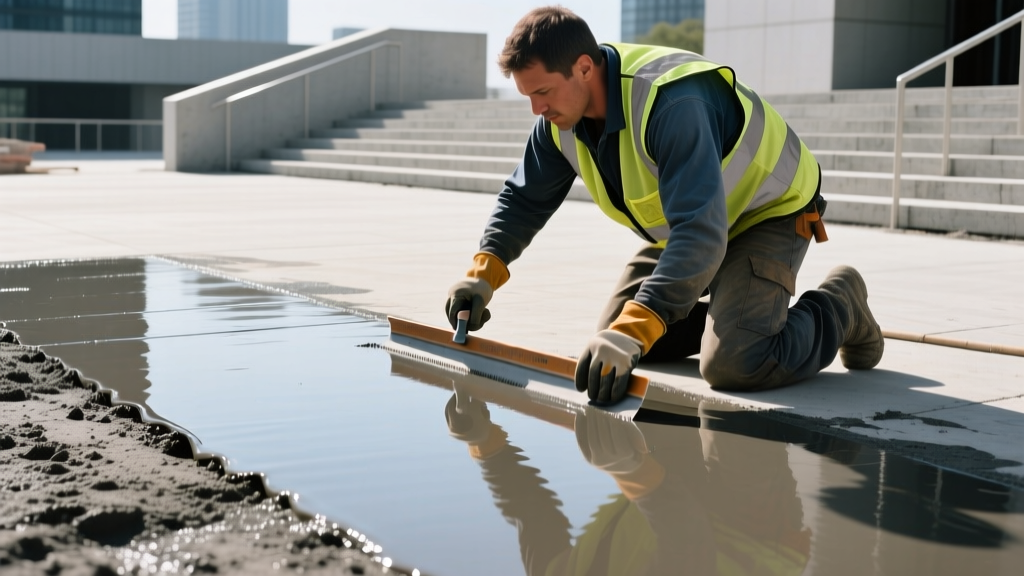
When budgeting for a polyurethane waterproofing system in 2026, material costs represent only a fraction of the total installed price. Labor, surface preparation, and priming heavily influence the final metric. Below is a realistic installed cost breakdown for a 10,000 sq. ft. exterior plaza deck.
- Surface Preparation (Shot blasting & vacuuming): $0.75 - $1.25 / sq. ft.
- Epoxy Primer (Moisture-mitigating): $1.10 - $1.60 / sq. ft.
- Aromatic PU Base Coat (60 mils): $2.20 - $2.80 / sq. ft.
- Aliphatic PU Topcoat (20 mils): $1.80 - $2.50 / sq. ft.
- Aggregate Broadcast (Optional for slip resistance): $0.40 - $0.60 / sq. ft.
- Labor (Application & detail work): $2.50 - $4.00 / sq. ft.
Total Installed Cost Range: $8.75 to $12.75 per square foot. While this is 30% higher than a basic acrylic system, the 15-to-20-year service life of a properly installed dual-layer PU system yields a significantly lower lifecycle cost, eliminating the need for the 5-year recoating cycles required by acrylics.
Decision Framework: When to Specify Polyurethane
Choosing the right liquid-applied membrane requires matching the material's physical properties to the structural demands of the project. Use this framework to determine if a polyurethane waterproof material is the correct specification.
Specify Polyurethane When:
- High Movement Joints: The substrate experiences significant thermal expansion/contraction or dynamic deflection (e.g., suspended concrete decks, metal decks). The 400%+ elongation accommodates this movement without tearing.
- Heavy Pedestrian or Light Vehicular Traffic: Areas like parking podiums, hospital courtyards, or stadium concourses require the high abrasion and tear resistance inherent to PU chemistry.
- Complex Penetrations: Mechanical rooms or roofs with dense pipe penetrations benefit from PU's seamless, self-flashing nature, which molds perfectly around irregular geometries.
Specify Alternatives When:
- Tight Schedules / Cold Weather: If the project requires same-day return-to-service or application in sub-40°F temperatures, specify PMMA. PMMA cures in under an hour regardless of temperature, whereas PU cure times stretch dramatically in the cold.
- Low-Budget, Low-Traffic Roofs: For simple, flat, unoccupied roofs with minimal structural movement, an Acrylic Elastomeric or Silicone roof coating provides adequate waterproofing at half the cost.
- Interior Containment / Chemical Spills: For secondary containment or industrial floors exposed to harsh acids, specify Epoxy or Polyurea. Standard polyurethanes will degrade under prolonged chemical attack.
Substrate Preparation Non-Negotiables
If you proceed with polyurethane, enforce these site requirements in your contract documents:
- Verify concrete has cured for a minimum of 28 days.
- Mandate in-situ RH testing (ASTM F2170) to ensure internal slab moisture is below 75%.
- Require a moisture-mitigating epoxy primer (such as Master Builders MasterSeal P 222 or equivalent) if MVER is between 3 and 5 lbs.
- Detail all inside corners with a reinforced cove strip and sealant before the main membrane application to prevent stress-cracking at the transitions.
By understanding the chemical nuances, physical limitations, and precise installation requirements of polyurethane waterproof materials, specifiers can eliminate premature membrane failures and deliver resilient, watertight structures. For detailed product data sheets and specific VOC compliance limits, always consult the technical bulletins provided by manufacturers like Sika or Tremco prior to finalizing your specifications.
Written by
Marcus ChenMarcus Chen is a licensed structural engineer (PE) and building materials analyst with over 12 years of experience across residential, commercial, and industrial construction. He holds a Master of Science in Civil Engineering from UC Berkeley and spent six years at Thornton Tomasetti before transitioning to independent consulting and technical writing. Marcus specializes in material selection for seismic-prone regions, concrete reinforcement strategies, and lifecycle cost analysis. His work has been cited by the American Concrete Institute (ACI) and the Structural Engineers Association of California (SEAOC). When he is not on a job site or at his desk, you will find him hiking the Sierra Nevada or restoring a 1920s craftsman bungalow in Oakland, CA.
More from Marcus Chen
View all
Construction Cost
How Much Did the Eiffel Tower Cost to Build?
How much did the Eiffel Tower cost to build in 1889? We adjust for inflation and compare its budget to modern skyscraper construction.
Aug 4, 2026

Fire Resistance
What Is a Fire Resistant Material? Testing & Certification Guide
Discover what is a fire resistant material through ASTM and UL testing. Learn how fire ratings, certifications, and assemblies work in construction.
Aug 4, 2026

Construction Cost
How Much Did the Burj Khalifa Cost to Build?
How much did the Burj Khalifa cost to build? We break down the $1.5B project and extract 5 money-saving strategies for your next build.
Jul 30, 2026