Bayview Building Materials Elma WA: 2026 Supply & Lumber Trends
Analyze 2026 lumber pricing, cedar siding trends, and supply chain shifts at Bayview Building Materials in Elma, WA for Pacific Northwest contractors.
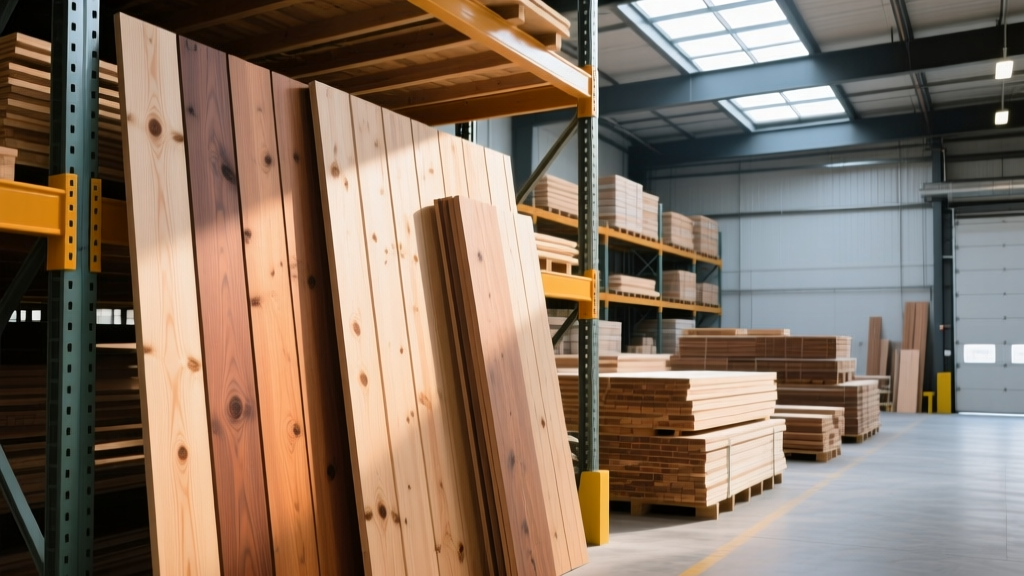
The Strategic Position of Grays Harbor in the 2026 Timber Market
Located in the heart of Washington State’s timber country, Bayview Building Materials in Elma, WA serves as a critical bellwether for Pacific Northwest (PNW) construction supply trends. As the industry navigates the 2026 building season, regional suppliers are adapting to shifting forest management policies, evolving building codes, and a heightened demand for climate-resilient enclosure systems. Elma’s microclimate—characterized by heavy marine influence and over 80 inches of annual precipitation—dictates a highly specialized approach to material selection, favoring naturally decay-resistant species and advanced moisture-management profiles.
For contractors and architects sourcing in the PNW, understanding the inventory shifts at regional hubs like Bayview is essential for accurate bidding and long-term structural performance. The 2026 landscape is defined by a pivot away from generic commodity framing toward high-performance engineered wood products (EWP), sustainably harvested Western Red Cedar, and specialized rainscreen components.
Climate-Resilient Enclosures and Cedar Siding Specifications
The most significant trend observed in local supply yards is the transition from direct-applied cladding to ventilated rainscreen systems. Given the persistent moisture loads in Grays Harbor County, building science mandates a capillary break and drainage plane behind exterior cladding. Bayview’s inventory has adapted to this by stocking specialized furring strips, thicker siding profiles, and pre-primed cedar designed specifically for back-ventilation.
According to Building Science Corporation, a minimum 3/8-inch air gap is required behind wood cladding in high-rainfall zones to ensure adequate capillary drainage and drying potential. When sourcing from regional suppliers, contractors must specify 1x4 or 1x3 vertical grain furring material, treated with a borate-based preservative, to prevent the furring itself from becoming a vector for rot behind the cedar siding.
Western Red Cedar Grading and Procurement
Not all cedar performs equally in the PNW. The 2026 procurement strategy requires strict adherence to grading rules established by the Western Red Cedar Lumber Association (WRCLA). Sourcing the wrong grade for a ground-level or high-splash application will result in premature failure, regardless of the finish applied.
- Clear Vertical Grain (CVG): The premium tier. Growth rings are perpendicular to the face, minimizing tangential shrinkage and cupping. Essential for wide-profile siding (8-inch reveal or greater) where dimensional stability is paramount.
- Select Tight Knot (STK): Features sound, tight knots. While aesthetically popular for craftsman and rustic-modern builds, STK is more prone to localized checking around the knots. It requires a high-build, elastomeric stain rather than a penetrating oil to bridge micro-fissures.
- Kiln-Dried After Treatment (KDAT): For exterior trim and fascia, specifying KDAT material (moisture content between 12-15% per ASTM D4442 testing standards) is critical to prevent the severe shrinkage that occurs when green or air-dried lumber is exposed to Elma’s summer dry spells.
2026 Regional Pricing & Inventory Matrix
Pricing volatility has stabilized compared to the early 2020s, but regional premiums for sustainably harvested and specialized PNW products remain. The following matrix reflects estimated Q1-Q2 2026 wholesale-to-contractor pricing for key structural and enclosure materials sourced through regional suppliers like Bayview Building Materials.
| Material Category | Specific Grade / Profile | Target Moisture Content (MC) | Est. 2026 Price (Per LF/BF) |
|---|---|---|---|
| Western Red Cedar Siding | 1x6 CVG Bevel (Rabbeted) | 12% - 15% (KDAT) | $4.85 - $6.20 / LF |
| Western Red Cedar Siding | 1x8 STK Channel Rustic | 15% - 19% (Air Dried) | $3.10 - $4.50 / LF |
| Structural Framing | 2x6 Douglas Fir-Larch #2 & Btr | ≤ 19% (S-DRY) | $1.45 - $1.80 / BF |
| Engineered Lumber (EWP) | 1-3/4" x 11-7/8" LVL Beam | Factory Sealed (8-10%) | $7.50 - $9.00 / LF |
| Decking / Exterior | 5/4x6 STK Cedar (Radius Edge) | KDAT (12-15%) | $2.90 - $3.60 / LF |
The Rise of Engineered Wood and Mass Timber in Local Builds
While traditional dimensional lumber remains the backbone of residential framing, the 2026 supply chain reflects a massive surge in Engineered Wood Products (EWP) and mass timber components. Regional suppliers are expanding their yard space to accommodate Laminated Veneer Lumber (LVL), Parallel Strand Lumber (PSL), and Cross-Laminated Timber (CLT) panels. This shift is driven by two factors: the need for longer, warp-free spans in modern open-concept architecture, and the push for lower embodied carbon in commercial and multi-family construction.
According to industry data from APA – The Engineered Wood Association, the adoption of mass timber and advanced EWP systems in the Pacific Northwest has outpaced the national average by over 35%. Contractors sourcing through local hubs are increasingly utilizing LVLs not just for ridge beams, but for entire floor joist systems (like I-joists) to mitigate the shrinking and squeaking associated with traditional Douglas Fir joists in the region's fluctuating humidity.
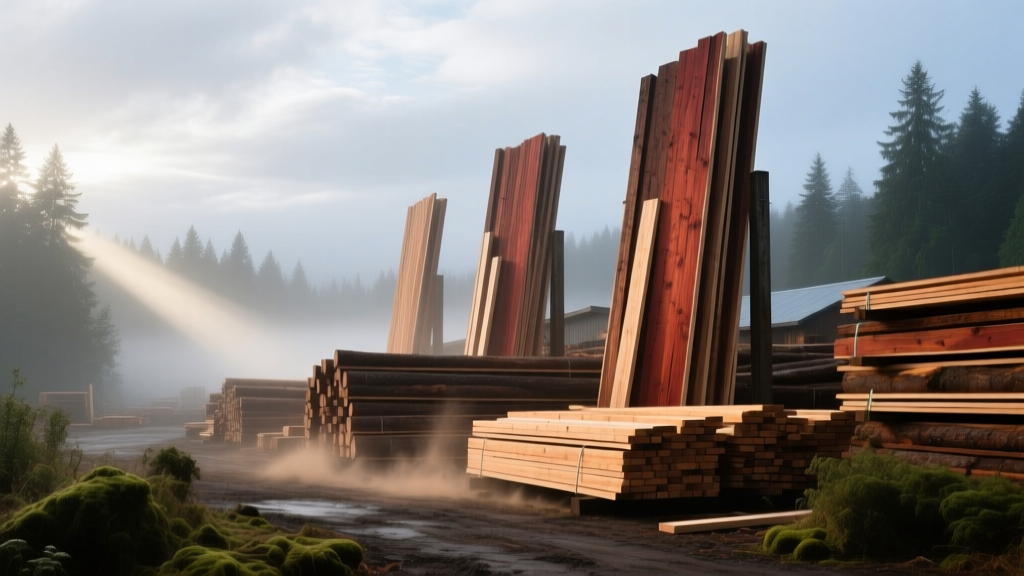
Navigating Environmental Compliance and FSC Certification
Sourcing materials in Washington State requires strict adherence to evolving environmental and forestry regulations. The Washington State Department of Natural Resources (DNR) enforces rigorous sustainable forestry practices, which directly impacts the inventory available at regional yards. In 2026, there is a distinct premium on Forest Stewardship Council (FSC) certified lumber, particularly for commercial projects targeting LEED v5 certification or state-funded municipal builds.
Purchasing FSC-certified cedar or Douglas Fir is not enough to claim the environmental credits on a commercial build. Contractors must ensure the supplier provides an unbroken Chain of Custody (CoC) certificate at the point of sale. If the material is transferred or re-sold without the accompanying CoC paperwork, the LEED credit is voided. Always request the CoC invoice addendum at the time of will-call pickup or delivery.
Wildland-Urban Interface (WUI) Material Treatments
As development pushes further into the foothills surrounding Grays Harbor and neighboring counties, WUI building codes are strictly enforced. Untreated cedar shakes and combustible siding are heavily restricted in these zones. Supply yards are responding by stocking pressure-impregnated fire-retardant treated (FRT) wood and specialized exterior intumescent coatings. When specifying FRT lumber for exterior use, it is vital to verify that the treatment is rated for exterior weathering (Type A or Type FRX), as standard interior FRT lumber will leach its fire-retardant salts upon exposure to Elma’s heavy winter rains, leaving the wood both unprotected and highly susceptible to moisture absorption.
Strategic Sourcing Framework for PNW Contractors
To optimize material performance and budget when sourcing from regional suppliers like Bayview Building Materials, contractors should implement the following procurement framework for the 2026 season:
- Pre-Season Volume Locks: Cedar and Douglas Fir pricing fluctuates with the spring logging season. Lock in pricing for Q2/Q3 exterior cladding and decking by late January to avoid the mid-summer premium when demand peaks and kiln-drying capacity bottlenecks.
- Specify Moisture Content Explicitly: Never accept 'green' or unspecified moisture content lumber for exterior trim or siding. Write 'KDAT, MC 12-15%' directly onto the purchase order to ensure the yard pulls from the correct, climate-acclimated inventory bunkers.
- Consolidate Rainscreen Components: Source furring strips, UV-resistant weather barriers, and specialized rainscreen fasteners (such as stainless steel ring-shank nails or hidden clip systems) from the same supplier to ensure warranty compatibility and streamline delivery logistics to the job site.
- Leverage EWP for Problem Spans: Replace built-up 2x10 or 2x12 Douglas Fir headers with single-piece LVL or PSL beams. This eliminates the need for on-site shimming, reduces callback rates for drywall cracking above windows, and accelerates the framing timeline.
Understanding the nuanced inventory and regional building science requirements served by local suppliers is what separates standard framing crews from high-performance builders. By aligning material specifications with the specific climatic and regulatory realities of the Pacific Northwest, contractors can ensure structural longevity, code compliance, and predictable project margins throughout the 2026 building cycle.
Written by
Elena RodriguezElena Rodriguez is a civil engineer and technical writer specializing in concrete technology, masonry systems, and ASTM/ACI compliance. She earned her B.S. in Civil Engineering from Texas A&M University and spent a decade at a materials testing laboratory, performing over 2,000 concrete compressive strength tests and masonry prism evaluations. Elena is an ACI-certified Field Testing Technician (Grade I) and a member of ASTM Committee C12 on Natural Building Stone. She currently consults on forensic engineering cases involving concrete failures and moisture intrusion. Based in San Antonio, TX, Elena is a proud member of the Society of Women Engineers (SWE) and coaches her daughter's FIRST Robotics team.
More from Elena Rodriguez
View all
Walls & Panels
Cost Analysis: Light Gauge Steel Framing Advantages and Disadvantages
Evaluate light gauge steel framing advantages and disadvantages through a strict cost analysis lens, comparing material, labor, and lifecycle expenses.
Aug 4, 2026

Walls & Panels
Gypsum Board Types: Exact Specifications, Thickness & Dimensions
Compare standard, Type X, and moisture-resistant gypsum board types. Get exact specifications, thicknesses, dimensions, and ASTM standards for your project.
Aug 4, 2026

Fire Resistance
Best Fire-Resistant Outdoor Decking Materials: 2026 Buyer Guide
Discover the best fire-resistant outdoor decking materials for 2026. Compare Class A PVC, aluminum, and hardwood options for WUI compliance and safety.
Aug 4, 2026