Green Country Building Materials: 2026 Cost Analysis for Rural Homes
Explore the 2026 cost analysis of green country building materials. Compare upfront pricing, labor, and lifecycle ROI for sustainable rural construction.
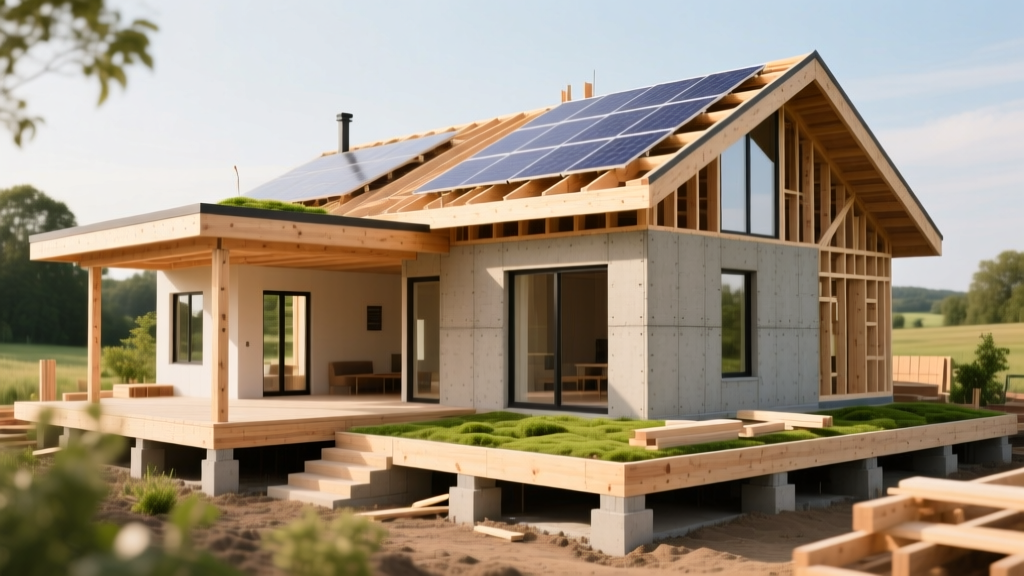
The Economics of Sustainable Rural Construction
When planning a rural or semi-rural residential project, selecting the right envelope and structural components dictates both the immediate budget and the long-term operational expenses. The market for green country building materials has matured significantly, shifting from niche, experimental products to mainstream, code-compliant solutions. In 2026, the 'green premium'—the additional upfront cost associated with sustainable materials compared to conventional stick framing and vinyl siding—has narrowed to an average of 4% to 8%, driven by optimized supply chains and increased manufacturing scale.
However, rural construction introduces unique logistical variables. Transporting high-mass sustainable materials like rammed earth forms or hempcrete binders to remote sites incurs freight surcharges that urban builders simply do not face. A comprehensive cost analysis must therefore evaluate not just the per-square-foot material price, but the fully burdened installed cost, including rural delivery, specialized labor mobilization, and site-specific equipment rentals.
Material-by-Material Cost Breakdown
To provide actionable budgeting data, we analyzed five primary green country building materials commonly specified for rural aesthetics and high thermal performance. The pricing below reflects Q1 2026 national averages, adjusted for a standard 2,000-square-foot single-story rural footprint.
| Material | Material Cost (per sq ft) | Labor Cost (per sq ft) | Total Installed | R-S Value |
|---|---|---|---|---|
| Reclaimed Timber (Siding/Structural) | $12.50 - $18.00 | $8.00 - $12.00 | $20.50 - $30.00 | Varies |
| Rammed Earth (Load-bearing walls) | $6.00 - $9.00 | $18.00 - $26.00 | $24.00 - $35.00 | R-15 to R-20 (with insulation) |
| Hempcrete (Infill/Non-load bearing) | $5.50 - $8.50 | $12.00 - $16.00 | $17.50 - $24.50 | R-2.4 per inch (approx R-28 for 12in wall) |
| Structural Insulated Panels (SIPs) | $9.00 - $13.00 | $5.00 - $8.00 | $14.00 - $21.00 | R-24 to R-40 |
| Straw Bale (Post-and-beam infill) | $2.50 - $4.50 | $15.00 - $22.00 | $17.50 - $26.50 | R-30 to R-45 |
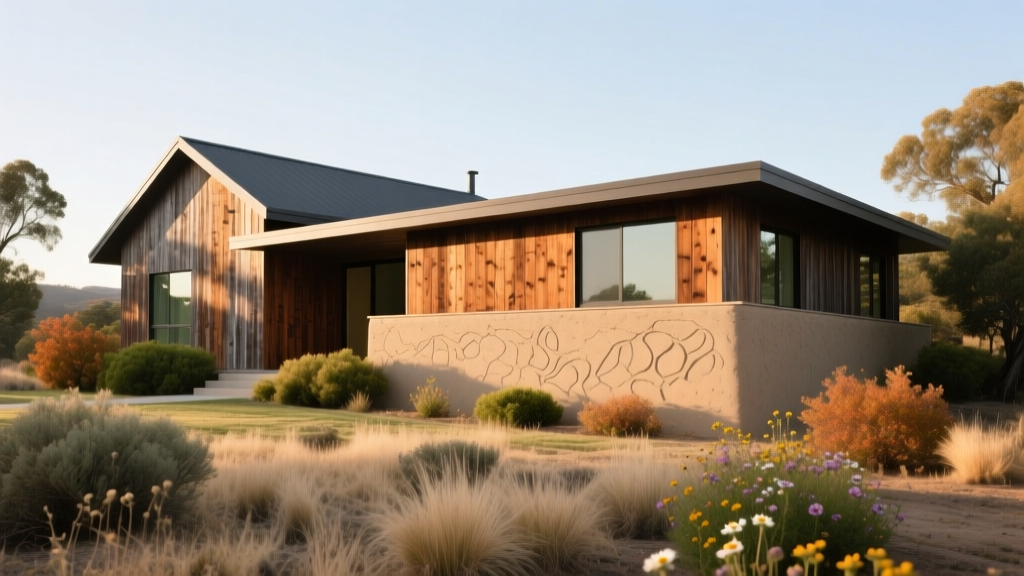
Hidden Costs and Rural Logistics
Surface-level material pricing rarely tells the full story for rural builds. When specifying green country building materials, project managers and owner-builders must account for the following hidden cost drivers that frequently cause budget overruns:
- Freight and Mobilization Surcharges: Materials like hemp hurd (the woody core of the hemp plant used in hempcrete) and specialized rammed-earth formwork systems are not stocked at rural lumber yards. Expect a 15% to 22% freight premium for LTL (Less Than Truckload) deliveries to sites located more than 50 miles from major distribution hubs.
- Specialized Equipment Rentals: Rammed earth construction requires pneumatic tamping tools and heavy-duty aluminum formwork. If local rural contractors do not own this equipment, daily rental rates plus transport fees can add $2,500 to $4,000 to the foundation and wall budget.
- Moisture Management and Curing Time: Hempcrete and natural plasters require extended curing times, sometimes up to 30 days per inch of thickness depending on ambient humidity. This extends the construction schedule, increasing temporary site costs, scaffolding rentals, and construction loan interest carries.
- Permitting and Engineering Stamp Fees: While SIPs and reclaimed timber are universally recognized by the International Residential Code (IRC), alternative systems like load-bearing straw bale or rammed earth often require a site-specific structural engineering stamp and extended plan review cycles in rural jurisdictions, adding $1,500 to $3,500 in soft costs.
Lifecycle ROI and HVAC Downsizing
The most significant financial advantage of high-performance green country building materials is not found in the material ledger, but in the mechanical engineering budget. The U.S. Department of Energy notes that homes built with advanced, high-thermal-mass or ultra-insulated envelopes can drastically reduce peak heating and cooling loads.
Furthermore, materials like rammed earth and straw bale possess exceptional thermal mass and insulation properties, respectively. This stabilizes indoor temperatures, reducing annual HVAC energy consumption by 30% to 50%. Over a 30-year mortgage horizon, these operational savings compound, yielding a net-positive return on investment even when factoring in a conservative 3% annual energy inflation rate.
Maintenance and Durability Considerations
When evaluating lifecycle costs, durability dictates replacement cycles. Reclaimed timber, when properly detailed with rain-screen gaps and treated with penetrating oils, easily exceeds 50 years of service life with minimal maintenance. Conversely, natural earthen plasters used over straw bale or hempcrete require periodic re-sealing or re-application every 10 to 15 years in high-exposure rural environments. Factoring a $3,000 exterior maintenance reserve every decade is critical for accurate long-term financial modeling.
Decision Framework: Matching Materials to Your Budget and Site
Selecting the optimal green country building materials requires aligning your budget, site accessibility, and local climate zone. Use the following decision matrix to guide your specification process:
- The Budget-Conscious Owner-Builder: If you have high sweat equity and limited capital, Straw Bale infill is the optimal choice. The material cost is negligible, especially if bales can be sourced from local agricultural suppliers within a 30-mile radius. You must be willing to invest hundreds of hours in stacking, pinning, and plastering to offset the high labor costs.
- The Time-Sensitive Developer: If construction loan interest and schedule speed are your primary concerns, Structural Insulated Panels (SIPs) are the clear winner. A SIP enclosure can be dried in a matter of days, drastically reducing weather-related delays and minimizing the need for specialized rural labor. The higher material cost is offset by slashed labor hours and immediate HVAC downsizing.
- The High-End Custom Estate: For projects where architectural expression and thermal mass are paramount, Rammed Earth provides an unmatched aesthetic and structural presence. Budget for a 20% to 30% premium over conventional masonry, and ensure your site has adequate access for heavy concrete-mixing trucks and excavators required for soil processing.
- The Eco-Purist in a Humid Climate: In regions with high precipitation and humidity, Hempcrete offers superior moisture buffering capabilities. Its high vapor permeability prevents interstitial condensation, protecting the structural timber frame from rot. Ensure you hire a certified hempcrete installer, as improper water-to-binder ratios can compromise structural integrity and curing times.
Sourcing and Supply Chain Strategies for 2026
To mitigate the rural freight penalties associated with green materials, adopt a localized sourcing strategy. The Environmental Protection Agency (EPA) emphasizes that the embodied carbon and financial cost of transporting heavy materials over long distances can negate their environmental benefits. For earthen materials, conduct a geotechnical soil test on your own property; if the clay-to-sand ratio is suitable, on-site soil harvesting for rammed earth or earthen plasters can eliminate material costs and freight fees entirely. For timber, partner with regional sawmills that process storm-felled or sustainably harvested local hardwoods, bypassing the national distribution markups applied to certified reclaimed lumber.
Ultimately, the financial viability of green country building materials hinges on a holistic view of construction economics. By accurately forecasting rural logistical premiums, capitalizing on mechanical system downsizing, and aligning material properties with site-specific labor availability, builders can deliver high-performance, sustainable rural homes that are both economically sound and environmentally responsible.
Written by
Marcus ChenMarcus Chen is a licensed structural engineer (PE) and building materials analyst with over 12 years of experience across residential, commercial, and industrial construction. He holds a Master of Science in Civil Engineering from UC Berkeley and spent six years at Thornton Tomasetti before transitioning to independent consulting and technical writing. Marcus specializes in material selection for seismic-prone regions, concrete reinforcement strategies, and lifecycle cost analysis. His work has been cited by the American Concrete Institute (ACI) and the Structural Engineers Association of California (SEAOC). When he is not on a job site or at his desk, you will find him hiking the Sierra Nevada or restoring a 1920s craftsman bungalow in Oakland, CA.
More from Marcus Chen
View all
Construction Cost
How Much Did the Eiffel Tower Cost to Build?
How much did the Eiffel Tower cost to build in 1889? We adjust for inflation and compare its budget to modern skyscraper construction.
Aug 4, 2026

Fire Resistance
What Is a Fire Resistant Material? Testing & Certification Guide
Discover what is a fire resistant material through ASTM and UL testing. Learn how fire ratings, certifications, and assemblies work in construction.
Aug 4, 2026

Construction Cost
How Much Did the Burj Khalifa Cost to Build?
How much did the Burj Khalifa cost to build? We break down the $1.5B project and extract 5 money-saving strategies for your next build.
Jul 30, 2026