Top Green Energy Building Materials: 2026 Selection Guide
Compare top green energy building materials for 2026. This selection guide covers BIPV, smart glass, and PCMs with real costs and ROI data.
The Shift from Passive to Active Material Selection
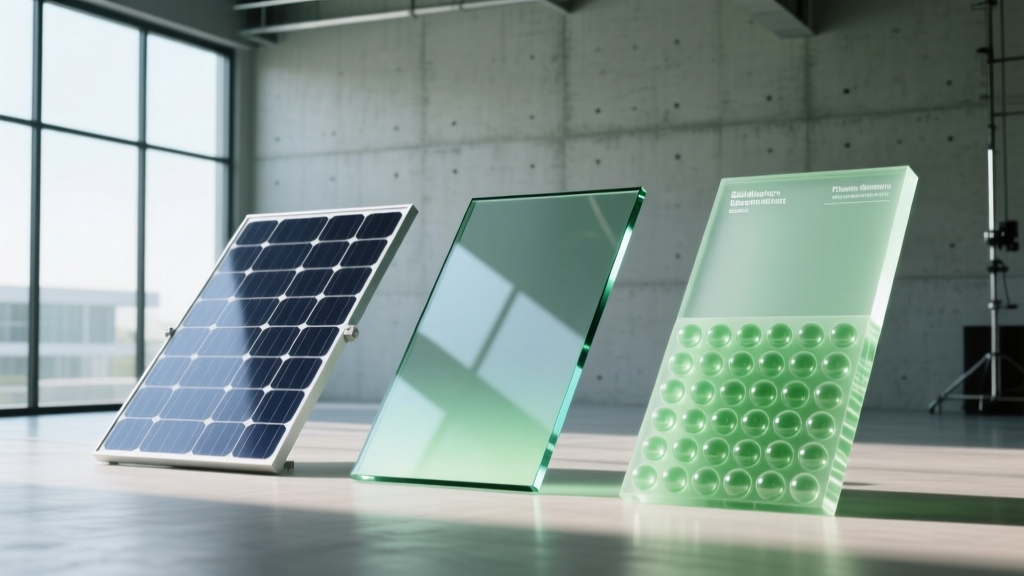
Selecting green energy building materials in 2026 requires moving beyond basic insulation and recycled content. The modern construction paradigm demands materials that actively generate, store, or modulate energy loads. For general contractors, architects, and developers, the focus has shifted toward Building-Integrated Photovoltaics (BIPV), electrochromic smart glass, and advanced Phase Change Materials (PCMs). This guide provides a technical breakdown of these active materials, including exact product specifications, installation requirements, and real-world cost data to inform your procurement strategy.
The Energy-Positive Material Framework
When evaluating materials for this guide, we apply a three-tier framework: Generation (materials that produce electricity), Modulation (materials that dynamically alter solar heat gain), and Storage (materials that absorb and release thermal energy to flatten HVAC load curves). A high-performance building envelope in 2026 typically integrates at least two of these tiers.
Tier 1: Building-Integrated Photovoltaics (BIPV)
BIPV replaces conventional building envelope components with solar-generating equivalents. According to the Department of Energy's BIPV guidelines, these systems offset both the cost of the building material they replace and the electrical generation infrastructure.
GAF Timberline Solar vs. Tesla Solar Roof
The two dominant players in the residential and light-commercial BIPV space offer vastly different installation paradigms.
- GAF Timberline Solar: Utilizes nailable, ultra-low-profile solar shingles that integrate directly with standard asphalt shingles.
- Installation: Can be installed by standard roofing crews using pneumatic nail guns. No specialized electricians are needed for the mechanical mounting.
- Hardware: Pairs seamlessly with Enphase IQ8A microinverters, allowing for module-level optimization and rapid shutdown compliance.
- Cost: $16 to $22 per square foot (installed), heavily dependent on roof pitch and complexity.
- Tesla Solar Roof (V4): Uses tempered glass tiles with integrated louvers to mimic traditional roofing textures.
- Installation: Requires Tesla-certified installers. The interlocking glass tile system is highly sensitive to framing tolerances; roof decks must be perfectly planar to prevent glass stress fractures.
- Hardware: Integrates directly with the Tesla Powerwall 3, utilizing a built-in DC-coupled inverter.
- Cost: $28 to $38 per square foot (installed), reflecting the premium glass manufacturing and specialized labor.
Tier 2: Electrochromic Smart Glass
Electrochromic glass dynamically tints in response to electrical voltage or automated building management system (BMS) triggers, controlling Solar Heat Gain Coefficient (SHGC) without sacrificing visible light transmittance. Lawrence Berkeley National Laboratory (LBNL) dynamic window research indicates that smart glass can reduce commercial HVAC cooling loads by up to 28% in sun-intensive climates.
Technical Specifications and Procurement
When specifying smart glass (such as View Dynamic Glass or SageGlass), look for the following baseline metrics for 2026 commercial-grade units:
- U-Factor: 0.22 to 0.28 (center-of-glass) for triple-pane insulated glass units (IGUs).
- SHGC Range: Variable from 0.09 (fully tinted) to 0.41 (fully clear).
- Visible Light Transmittance (VLT): 1% to 60%.
Expert Insight: Do not treat smart glass as a simple window swap. The reduction in peak cooling load often allows mechanical engineers to downsize the building's chiller capacity by 15-20%, offsetting the premium cost of the glazing through capital expenditure savings on the HVAC plant.
Tier 3: Phase Change Materials (PCMs) for Thermal Mass
PCMs absorb and release thermal energy during the phase transition from solid to liquid and back. In building envelopes, microencapsulated PCMs are embedded into drywall or ceiling panels. The National Renewable Energy Laboratory (NREL) thermal mass studies highlight PCMs as critical for shifting peak cooling demands to off-peak hours.
Integrating ThermalCore Drywall
National Gypsum’s ThermalCore is the industry standard for interior PCM integration. It contains Micronal DS 3508, a paraffin-based PCM that melts at exactly 72°F (22°C).
- Thermal Storage Capacity: A 5/8-inch panel stores approximately 19 BTUs per square foot, equivalent to the thermal mass of a 4-inch thick poured concrete wall.
- Installation: Scores, snaps, and fastens exactly like standard Type X gypsum board. However, joints must be finished with standard joint compound; heavy water-based textures or vinyl wallcoverings can impede the thermal transfer required for the PCM to charge and discharge effectively.
- Cost Premium: Expect to pay $1.80 to $2.50 more per square foot compared to standard 5/8-inch fire-rated drywall.

Comparative ROI and Performance Matrix
The following matrix synthesizes upfront costs against long-term energy performance for mid-sized commercial and high-end residential projects.
| Material Category | Specific Product | Upfront Cost (per sq ft) | Primary Energy Benefit | Est. ROI Timeline |
|---|---|---|---|---|
| BIPV Shingles | GAF Timberline Solar | $16 - $22 | Active electricity generation | 7 - 9 Years |
| BIPV Glass Tiles | Tesla Solar Roof V4 | $28 - $38 | Active generation + aesthetic premium | 12 - 15 Years |
| Smart Glass | View Dynamic Glass | $65 - $90 | HVAC downsizing + glare control | 8 - 11 Years |
| PCM Drywall | ThermalCore (5/8 in.) | $3.50 - $4.50 | Peak load shifting + thermal comfort | 3 - 5 Years |
Procurement and Installation Gotchas
Integrating active green energy building materials introduces complexities that standard construction schedules do not account for. Address these edge cases during the pre-construction phase:
- Low-Voltage Rough-In for Smart Glass: Electrochromic windows require 24V DC power and data connectivity. Run low-voltage wiring to the head or jamb of each window opening during the rough-in phase. Ensure the central transformer and controller are housed in a ventilated, accessible junction box, not buried behind finished drywall.
- Thermal Bridging Bypasses PCMs: Phase Change Materials only work if the interior space experiences temperature fluctuations near the 72°F melt point. If the building envelope suffers from severe thermal bridging (e.g., uninsulated steel studs), the PCM will either never charge or will remain permanently melted. Continuous exterior insulation (ci) is mandatory when using PCM drywall.
- Inverter Sizing for BIPV: Unlike standard rack-mounted solar panels, BIPV systems often face multi-directional orientations (e.g., dormers, varying roof pitches). Standard string inverters will suffer massive clipping losses. You must specify module-level power electronics (MLPEs) like microinverters or DC optimizers for every individual BIPV shingle zone.
- Smart Glass Lead Times: Custom-cut electrochromic IGUs are manufactured to exact rough-opening specifications. Lead times in 2026 average 14 to 18 weeks. Final field measurements must be verified before ordering; a 1/4-inch framing error will result in a completely scrapped, non-returnable window unit.
Frequently Asked Questions
Can PCMs be used in exterior wall assemblies?
While some specialized exterior PCMs exist, interior placement is vastly superior for human comfort. Interior PCMs absorb excess heat generated by occupants, lighting, and solar gain during the day, releasing it at night when the building is unoccupied, directly flattening the HVAC load curve.
Do BIPV roofs qualify for standard 30% solar tax credits?
Yes. The IRS classifies BIPV systems, including solar shingles and glass tiles, as eligible for the Residential Clean Energy Credit (Section 25D) or the Commercial Investment Tax Credit (Section 48), provided the system is commissioned and connected to the grid. However, the credit applies only to the solar generation components and associated labor, not the underlying structural roofing materials.
What happens to smart glass during a power outage?
Modern electrochromic glass features a 'fail-safe' tint state. If power is severed, View and SageGlass units default to their intermediate or fully tinted state to prevent unwanted solar heat gain, ensuring the building does not rapidly overheat while the HVAC system is offline.
Written by
David NakamuraDavid Nakamura is a licensed architect (AIA) and construction technology writer focused on sustainable building methods, mass timber engineering, and high-performance building envelopes. He holds a Master of Architecture from the University of Washington and is a certified Passive House Consultant (CPHC). David spent eight years at the Seattle firm Mithun, where he led the design of three LEED Platinum projects, before founding his own practice specializing in net-zero residential design. He serves on the editorial advisory board of GreenBuilder Magazine and has authored peer-reviewed papers on cross-laminated timber (CLT) connections for the Journal of Structural Engineering. In his spare time, David teaches woodworking at Pratt Fine Arts Center and kayaks the Puget Sound.
More from David Nakamura
View all
Construction Cost
Labor Cost to Build a Deck Per Sq Ft: 2026 Installation Guide
Discover the exact labor cost to build a deck per sq ft in 2026. This installation guide breaks down contractor rates, complexity factors, and hidden fees.
Aug 4, 2026

Construction Cost
How Much Does It Cost to Build a 3 Bedroom House? Financing Guide
Learn exactly how much it costs to build a 3 bedroom house and explore 2026 financing options, construction loan types, and budget frameworks for your build.
Aug 4, 2026

Construction Cost
Cost to Build a Tennis Court: 2026 Guide
How much does it cost to build a tennis court in 2026? Breakdowns for asphalt, concrete, and synthetic surfaces plus fencing and lighting.
Jul 30, 2026