Lopez Building Materials and 2026 Regional Supply Trends
Discover how regional suppliers like Lopez Building Materials are driving 2026 construction trends with low-carbon stock, nearshoring, and digital logistics.

The Decentralization of the 2026 Construction Supply Chain
The era of relying exclusively on national big-box distributors for critical path materials is ending. In 2026, the construction industry is witnessing a aggressive decentralization of the supply chain, driven by volatile freight costs, localized building codes, and the urgent mandate to reduce embodied carbon. Regional powerhouses like Lopez Building Materials have capitalized on this shift, transforming from traditional lumber and masonry yards into highly sophisticated, tech-enabled logistics hubs. By operating within a concentrated 150-mile distribution radius, these regional suppliers are cutting last-mile delivery costs by up to 22% compared to national carriers, while providing general contractors with the agility required for modern just-in-time (JIT) construction scheduling.
This shift is not merely about geography; it is a fundamental restructuring of how materials are sourced, vetted, and delivered to the job site. For procurement managers and general contractors, understanding the operational model of regional leaders like Lopez Building Materials is critical for maintaining margins and meeting aggressive sustainability targets in the current market.
Portfolio Pivot: Embodied Carbon and Advanced Material Stock
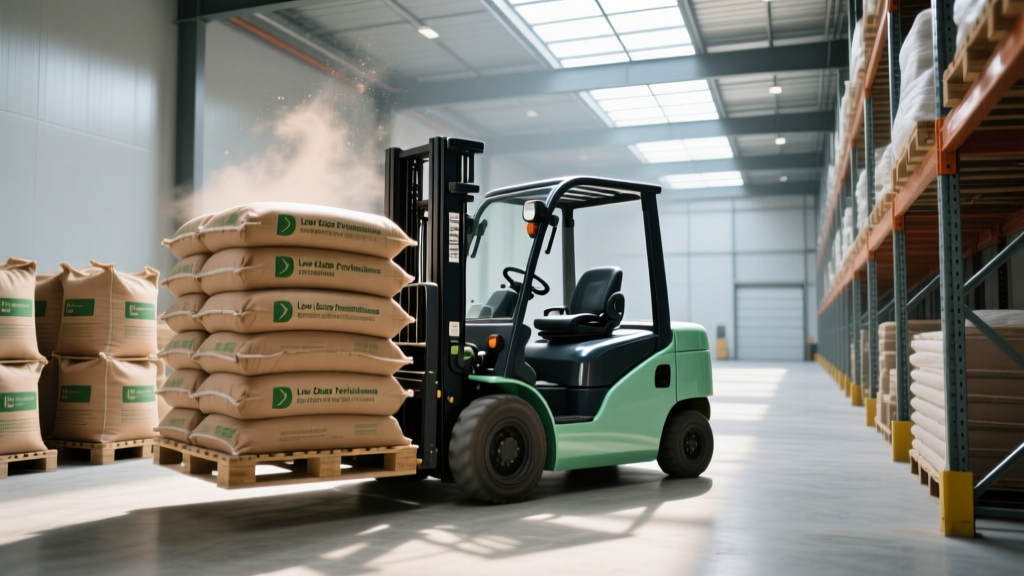
National distributors often lag in stocking specialized, region-specific sustainable materials due to the sheer scale of their inventory management. Regional suppliers, however, can pivot their portfolios rapidly to meet local green building mandates. A prime example is the widespread adoption of Portland-Limestone Cement (PLC), classified under ASTM C595 as Type IL. While national chains still push traditional OPC (Ordinary Portland Cement) Type I/II, forward-thinking regional hubs have heavily indexed their bulk and bagged inventory toward Type IL, which reduces the carbon footprint of concrete mixes by 10% to 15% without sacrificing compressive strength or altering finishing characteristics.
2026 Material Stocking Matrix: Traditional vs. Regional Trend Leaders
| Material Category | Legacy National Stock | 2026 Regional Trend Stock | Performance & Sustainability Impact |
|---|---|---|---|
| Cementitious | OPC Type I/II | Type IL (Portland-Limestone) | 10-15% lower embodied carbon; identical workability. |
| Insulation | R-13 Fiberglass Batts | Mineral Wool & Aerogel Blankets | Higher R-value per inch; superior acoustic and fire ratings. |
| Structural Framing | Standard SPF Dimensional Lumber | Mass Timber Connectors & LVL Beams | Carbon sequestration; allows for longer clear spans. |
| Sheathing | Standard OSB / Plywood | Integrated R-Sheathing Panels | Eliminates thermal bridging; reduces framing labor time. |
By stocking high-performance alternatives like integrated R-sheathing and aerogel insulation, regional suppliers enable contractors to meet stringent 2026 IECC (International Energy Conservation Code) requirements without waiting on 6-week lead times from specialized national catalogs.
Tech-Enabled Procurement: API Integration and Predictive Staging
The most significant differentiator for modern regional suppliers is their integration into the contractor's digital ecosystem. The days of calling a dispatch desk to check pallet availability are over. Lopez Building Materials and similar regional leaders have invested heavily in RESTful API infrastructure that links their inventory management systems directly to popular construction management platforms like Procore, Buildertrend, and Autodesk Construction Cloud.
- Real-Time Inventory Webhooks: Procurement teams can set automated alerts when critical materials (e.g., 5/8-inch Type X gypsum board or specific structural steel fasteners) drop below predefined thresholds at the local yard.
- Automated JIT Staging: APIs allow contractors to schedule deliveries tied directly to their digital Gantt charts. If a framing crew's start date shifts by three days due to weather, the material delivery is automatically rescheduled via webhook, preventing site clutter and material degradation.
- Dynamic Lumber Pricing Feeds: Regional suppliers now push live, localized pricing data directly into contractor estimating software, ensuring bids reflect the exact market reality of the morning they are submitted.
Nearshoring and Tariff Insulation Strategies
Global supply chain disruptions and fluctuating international tariffs have forced a reevaluation of material origins. According to research on sustainable infrastructure and supply chain resilience, localized sourcing is paramount for mitigating geopolitical risk. Regional suppliers are aggressively nearshoring their procurement networks to insulate their contractor clients from overseas tariff shocks.
For structural steel, this means pivoting away from imported billet and sourcing exclusively from regional Electric Arc Furnace (EAF) mini-mills, which recycle scrap metal locally and operate with a fraction of the carbon emissions of traditional blast furnaces. For dimensional lumber and engineered wood products, regional distributors are leveraging USMCA-compliant supply chains, sourcing SPF (Spruce-Pine-Fir) directly from managed Canadian forests and utilizing cross-border rail networks that bypass the port congestion and maritime freight surcharges that plague overseas imports.
Contractor Action Plan: Optimizing Regional Partnerships
- Audit Your API Connections: Ensure your ERP or project management software is connected to your regional supplier's inventory feed. Manual PO entry is a liability in 2026.
- Specify Type IL Cement: Update your master specifications to allow or mandate Portland-Limestone Cement to instantly shave embodied carbon off your project's LCA (Life Cycle Assessment) without requiring mix redesigns.
- Leverage Micro-Warehousing: Negotiate off-site staging agreements with your regional supplier. Let them hold your bulk materials in their climate-controlled micro-warehouses and pull them to the site in daily batches to reduce theft and weather damage.
Navigating the 2026 Last-Mile Logistics Challenge
Last-mile delivery for heavy, palletized building materials remains one of the most complex logistical challenges in construction. A single delayed flatbed can idle a crew of twenty. Regional suppliers are solving this through specialized fleet investments. Unlike national carriers that rely on generalized freight networks, regional hubs utilize specialized Moffett forklift-equipped flatbeds and articulated crane trucks designed specifically for tight urban infill sites and constrained suburban developments.
This specialized fleet allows for 'drop-and-go' precision, placing bundles of metal studs or pallets of masonry veneer exactly where the foreman needs them, rather than dumping them at the street edge. This reduces secondary material handling on the job site—a major source of labor waste and material damage—by an estimated 18%. Furthermore, the transition to Class 8 electric and hybrid-electric yard tractors and delivery vehicles is accelerating among regional suppliers, driven by strict municipal idling and emissions ordinances in major metropolitan zones.
Strategic Takeaways for General Contractors
The competitive advantage in 2026 construction does not solely belong to the firm with the lowest labor rate; it belongs to the firm with the most resilient, intelligent supply chain. Partnering with agile, tech-forward regional distributors provides a measurable edge. By utilizing localized micro-warehousing, leveraging nearshored material portfolios, and integrating digital procurement APIs, contractors can eliminate the hidden costs of freight delays, material damage, and carbon compliance penalties. Evaluating your material partners through the lens of regional agility rather than just national volume discounts is the defining procurement strategy of the current building cycle.
Written by
David NakamuraDavid Nakamura is a licensed architect (AIA) and construction technology writer focused on sustainable building methods, mass timber engineering, and high-performance building envelopes. He holds a Master of Architecture from the University of Washington and is a certified Passive House Consultant (CPHC). David spent eight years at the Seattle firm Mithun, where he led the design of three LEED Platinum projects, before founding his own practice specializing in net-zero residential design. He serves on the editorial advisory board of GreenBuilder Magazine and has authored peer-reviewed papers on cross-laminated timber (CLT) connections for the Journal of Structural Engineering. In his spare time, David teaches woodworking at Pratt Fine Arts Center and kayaks the Puget Sound.
More from David Nakamura
View all
Construction Cost
Labor Cost to Build a Deck Per Sq Ft: 2026 Installation Guide
Discover the exact labor cost to build a deck per sq ft in 2026. This installation guide breaks down contractor rates, complexity factors, and hidden fees.
Aug 4, 2026

Construction Cost
How Much Does It Cost to Build a 3 Bedroom House? Financing Guide
Learn exactly how much it costs to build a 3 bedroom house and explore 2026 financing options, construction loan types, and budget frameworks for your build.
Aug 4, 2026

Construction Cost
Cost to Build a Tennis Court: 2026 Guide
How much does it cost to build a tennis court in 2026? Breakdowns for asphalt, concrete, and synthetic surfaces plus fencing and lighting.
Jul 30, 2026