Pedregal Building Materials: 2026 Cost Analysis & Pricing Guide
Comprehensive 2026 cost analysis of Pedregal building materials. Explore pricing for volcanic basalt, tezontle, freight, and installation labor.

The Economics of Pedregal Volcanic Stone
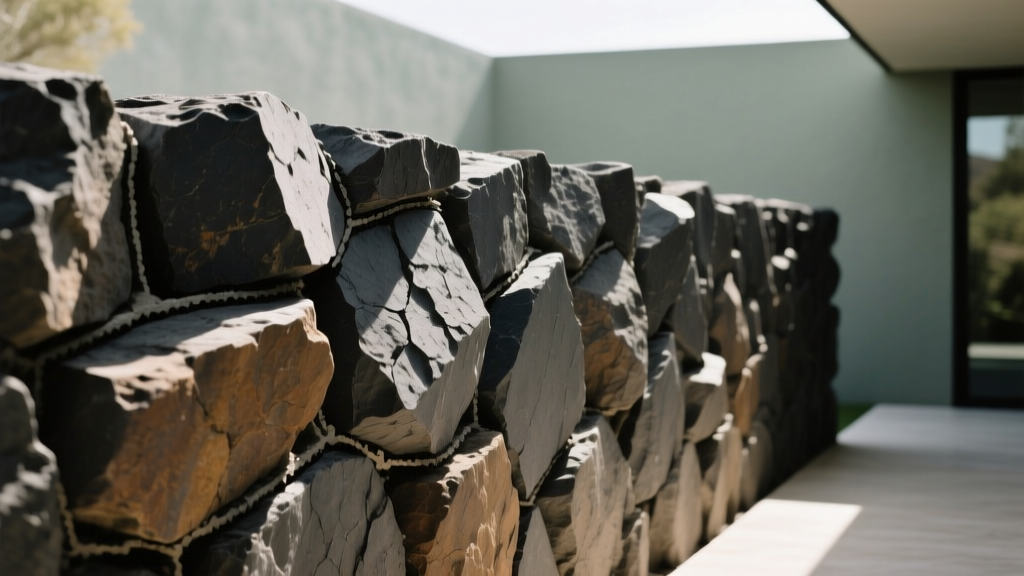
When architects and specifiers refer to Pedregal building materials, they are referencing the premium volcanic dimension stones—primarily dense basalt, vesicular tezontle, and lightweight tepojal aggregates—quarried from the Trans-Mexican Volcanic Belt. Originating from the same geological formations that defined the iconic mid-century Pedregal de San Ángel architectural movement, these materials are highly sought after in 2026 for their exceptional thermal mass, natural acoustic dampening, and striking textural profiles.
However, sourcing and installing authentic Pedregal stone requires navigating complex international supply chains, specialized masonry labor, and strict weight-bearing structural requirements. This cost analysis breaks down the exact material, freight, and labor expenditures required to integrate Pedregal volcanic materials into high-end residential and commercial projects this year.
2026 Material Cost Matrix
Pricing for Pedregal stone fluctuates based on quarry output, block yield, and fabrication complexity. Unlike manufactured veneers, natural volcanic stone requires diamond-wire cutting and specialized tumbling to achieve consistent thicknesses. Below is the current wholesale-to-retail pricing structure for Q1 2026.
| Material Classification | Format & Dimensions | 2026 Unit Cost (USD) | Primary Application |
|---|---|---|---|
| Dense Pedregal Basalt | Honed Tiles (12x24 in, 3/4 in thick) | $18.50 - $26.00 / sq ft | Interior flooring, wet areas, commercial lobbies |
| Vesicular Tezontle | Sawn Cladding Panels (6x12 in, 1 in thick) | $12.00 - $17.50 / sq ft | Exterior facades, feature walls, fireplaces |
| Chipped Basalt (Riprap) | Irregular 4-8 in chunks | $280 - $340 / ton | Landscape drainage, retaining wall backfill |
| Tepojal (Volcanic Gravel) | Screened 3/8 in aggregate | $95 - $130 / ton | Lightweight concrete mix, green roof drainage |
| Carved Basalt Sinks | Monolithic Vessel (24x16 in) | $1,400 - $2,200 / unit | Luxury bathrooms, outdoor kitchens |
Freight, Tariffs, and Supply Chain Variables
The most frequently underestimated cost in Pedregal material procurement is freight. Volcanic basalt is exceptionally dense, weighing between 180 and 195 lbs per cubic foot. Tezontle, while more porous, still averages 105 to 120 lbs per cubic foot. Transporting these materials from central Mexican quarries to US or Canadian job sites incurs significant Less-Than-Truckload (LTL) surcharges.
For 2026, cross-border logistics via the Laredo and El Paso ports of entry remain the most cost-effective routes. Expect to pay between $3.50 and $5.20 per square foot purely in freight and customs brokerage fees for full truckload (FTL) shipments. According to the United States Geological Survey (USGS), the import volume of specialized volcanic aggregates and dimension stone has remained robust, though localized tariff adjustments on Mexican mineral exports can add a 3-5% variance to landed costs.
Installation Labor and Consumables
Pedregal building materials cannot be installed using standard thin-set methods designed for porcelain or ceramic. The unique mineral composition and porosity of volcanic stone demand specialized masonry protocols.
Substrate Preparation and Waterproofing
For exterior tezontle cladding, the substrate must be reinforced. Standard 1/2-inch cement board is insufficient for the sheer weight of 1-inch thick volcanic panels. Framing must be upgraded to 16-gauge steel studs at 12-inch on-center spacing, sheathed with 5/8-inch exterior-grade gypsum, and covered with a liquid-applied elastomeric waterproofing membrane (such as Laticrete Hydro Ban).
Mortar and Sealer Specifications
Choosing the wrong bonding agent is the primary cause of delamination in volcanic stone installations. Tezontle's high absorption rate—which can exceed 6% when tested under ASTM C97 standards for dimension stone—means it will rapidly suck the moisture out of standard Portland cement mortars, causing them to cure prematurely and fail.
- Bonding Mortar: Use a polymer-modified, high-hydration thin-set (ANSI A118.15) or a custom Type S lime-rich mortar for thicker bed applications. Budget $45 - $60 per 50lb bag.
- Sealers: Dense basalt requires a penetrating silane/siloxane sealer to prevent oil staining in kitchens. Tezontle requires a breathable, non-film-forming impregnator to allow trapped vapor to escape. Expect to pay $180 - $250 per gallon for commercial-grade sealers, covering roughly 400 sq ft per coat.
Labor rates for certified natural stone masons range from $85 to $140 per hour in major North American markets. For complex Pedregal ashlar patterns, anticipate installation costs of $28 to $45 per square foot, exclusive of materials.
Lifecycle ROI: Thermal Mass vs. Upfront Cost
While the initial capital expenditure for Pedregal materials is 30-40% higher than manufactured cast-stone veneers, the lifecycle return on investment is driven by passive climate control. Volcanic basalt possesses a high volumetric heat capacity. When utilized in direct-gain passive solar designs, a 12-inch thick Pedregal basalt wall can absorb solar radiation during the day and release it over a 10-12 hour delay, significantly reducing peak HVAC loads.
'The integration of high-mass volcanic stone in modern courtyard designs is not merely an aesthetic choice; it is a quantifiable thermodynamic strategy that reduces annual cooling expenditures by up to 18% in arid climates.' — Architectural Climate Design Journal, 2025
Projects targeting LEED v5 or WELL Building Standard certifications can leverage the acoustic dampening properties of vesicular tezontle, which naturally diffuses sound waves due to its trapped air voids, reducing the need for synthetic acoustic paneling.
Procurement Decision Framework
To determine if authentic Pedregal building materials align with your project budget, evaluate the following criteria:
- Structural Capacity: Can the existing foundation or floor joists support an additional 25-30 lbs per square foot (dead load)? If structural reinforcement is required, manufactured lightweight veneer may be more economical.
- Aesthetic Authenticity: Does the design rely on the deep, iron-rich oxidation and natural vesicles (gas bubbles) unique to volcanic stone? If so, Pedregal tezontle is irreplaceable. For uniform, monochromatic designs, dyed cast stone is a viable 50% cheaper alternative.
- Maintenance Tolerance: Are the end-users prepared to re-apply penetrating sealers every 24-36 months in high-traffic or wet environments? Unsealed Pedregal basalt will permanently stain from organic acids (wine, citrus, tannins).
Frequently Asked Questions
Can Pedregal volcanic stone be used in freeze-thaw climates?
Dense, honed Pedregal basalt performs exceptionally well in freeze-thaw cycles due to its low water absorption (<1%). However, highly vesicular tezontle must be rigorously sealed and detailed with proper weep holes; if water infiltrates the voids and freezes, the expansion can cause spalling and face-shearing over time.
How does Pedregal stone compare to Italian Lava Stone?
Italian lava stone (often sourced from Mount Etna) is typically glazed and fired for use in countertops and tables, commanding prices upwards of $60 per square foot. Pedregal basalt is primarily utilized as an unglazed architectural cladding and flooring material, offering a more rustic, natural profile at roughly half the cost of imported Italian counterparts.
For further exploration of volcanic stone applications in contemporary architecture, review the extensive project archives at ArchDaily, which document the structural and aesthetic integration of these materials in global builds.
Written by
Elena RodriguezElena Rodriguez is a civil engineer and technical writer specializing in concrete technology, masonry systems, and ASTM/ACI compliance. She earned her B.S. in Civil Engineering from Texas A&M University and spent a decade at a materials testing laboratory, performing over 2,000 concrete compressive strength tests and masonry prism evaluations. Elena is an ACI-certified Field Testing Technician (Grade I) and a member of ASTM Committee C12 on Natural Building Stone. She currently consults on forensic engineering cases involving concrete failures and moisture intrusion. Based in San Antonio, TX, Elena is a proud member of the Society of Women Engineers (SWE) and coaches her daughter's FIRST Robotics team.
More from Elena Rodriguez
View all
Walls & Panels
Cost Analysis: Light Gauge Steel Framing Advantages and Disadvantages
Evaluate light gauge steel framing advantages and disadvantages through a strict cost analysis lens, comparing material, labor, and lifecycle expenses.
Aug 4, 2026

Walls & Panels
Gypsum Board Types: Exact Specifications, Thickness & Dimensions
Compare standard, Type X, and moisture-resistant gypsum board types. Get exact specifications, thicknesses, dimensions, and ASTM standards for your project.
Aug 4, 2026

Fire Resistance
Best Fire-Resistant Outdoor Decking Materials: 2026 Buyer Guide
Discover the best fire-resistant outdoor decking materials for 2026. Compare Class A PVC, aluminum, and hardwood options for WUI compliance and safety.
Aug 4, 2026