Valdivia Building Materials: 2026 Cost Analysis & Sourcing Guide
Analyze 2026 Valdivia building materials costs, focusing on moisture-resistant timber, fiber cement, and insulation for southern Chile's rainy climate.

The Unique Material Demands of Valdivia's Climate
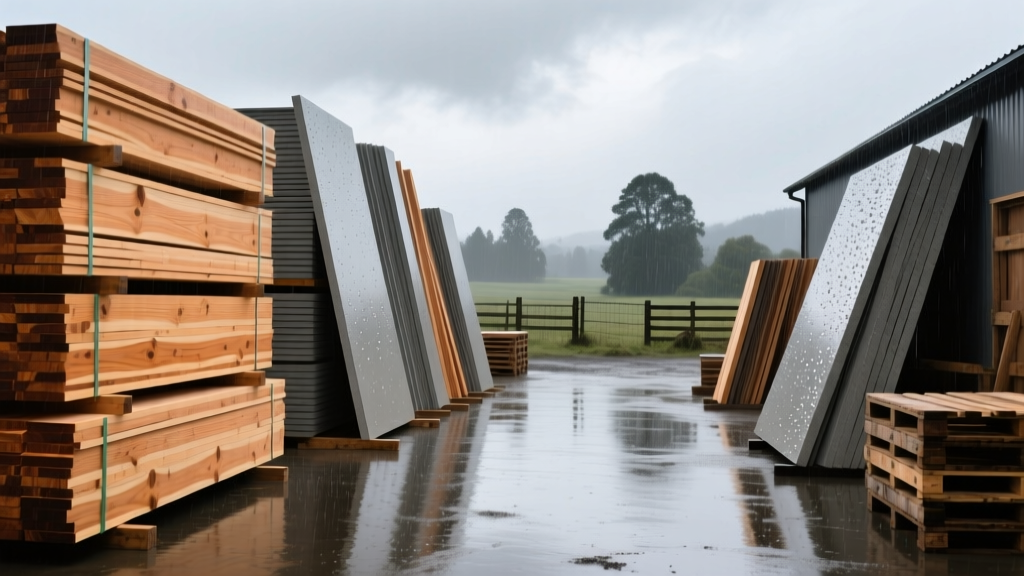
Valdivia, located in Chile's Los Ríos Region, presents one of the most demanding environments for building envelopes in the Americas. With annual precipitation frequently exceeding 2,000 millimeters and a temperate oceanic climate, standard construction assemblies fail rapidly. Sourcing appropriate Valdivia building materials requires prioritizing moisture management, fungal resistance, and seismic flexibility over baseline aesthetics. Contractors and developers who attempt to import standard, dry-climate material schedules into this region typically face severe cost overruns within the first five years due to rot, mold remediation, and envelope failure.
2026 Cost Breakdown: Core Structural & Envelope Materials
The cost of building in southern Chile has shifted in 2026, driven by localized logistics, carbon-pricing on transport, and a premium on high-performance moisture barriers. Below is a detailed cost analysis for the most common structural and envelope materials used in the region. Prices are estimated in USD per square meter of wall area to standardize international comparisons, reflecting local Los Ríos market rates.
| Material Category | Specific Product / Spec | Material Cost (USD/m²) | Installed Cost (USD/m²) |
|---|---|---|---|
| Structural Framing | H3.2 CCA-Treated Radiata Pine (41x90mm) | $14.50 - $18.00 | $32.00 - $41.00 |
| Exterior Cladding | 6mm Fiber Cement Lap Siding (Textured) | $22.00 - $28.00 | $48.00 - $65.00 |
| Exterior Cladding | Impregnated Cypress/Cedar Shiplap | $45.00 - $60.00 | $85.00 - $115.00 |
| Cavity Insulation | Closed-Cell Spray Foam (R-13 / 50mm) | $35.00 - $42.00 | $55.00 - $68.00 |
| Moisture Barrier | Breathable House Wrap (Non-woven PP) | $2.80 - $4.50 | $6.50 - $9.00 |
Exterior Cladding: Combating Heavy Rainfall
The exterior skin of a building in Valdivia takes a relentless beating from wind-driven rain. The two dominant materials in the local market are fiber cement and impregnated wood, each with distinct cost and maintenance profiles.
Fiber Cement (Fibrocemento)
Fiber cement is the most widely specified cladding in southern Chile due to its immunity to rot and insect damage. However, in a high-seismic zone like Valdivia, rigid fiber cement panels cannot be installed flush. They require a 10mm to 15mm open joint system with specialized EPDM backing rods and high-grade polyurethane sealants to accommodate lateral drift during earthquakes. This seismic detailing adds approximately 18% to the total installed labor cost compared to standard overlapping installations used in non-seismic regions.
Impregnated Wood Siding
Traditional Chilota architecture heavily influences modern Valdivia designs, keeping wood siding in high demand. To survive the climate, builders must specify wood treated with CCA (Chromated Copper Arsenate) or modern copper-based micronized preservatives, followed by a penetrating alkyd-urethane stain.
- Pros: Superior aesthetic integration with the local environment, lower embodied carbon, natural thermal bridging reduction.
- Cons: Requires re-staining every 3 to 4 years on south and west-facing elevations; high initial material cost due to the scarcity of old-growth, naturally rot-resistant species like Coigüe.
Thermal & Moisture Envelope: The Hidden Costs
The most frequent point of failure in Valdivia building materials is not the exterior cladding, but the hidden moisture envelope. Standard polyethylene vapor barriers (commonly used in colder, drier climates) are catastrophic in Valdivia. They trap moisture inside the wall cavity during the humid summer months, leading to hidden mold growth behind the drywall.
"In high-rainfall, temperate zones, the wall assembly must be designed to dry to the exterior. Using a Class I vapor retarder on the interior warm side prevents drying, turning the wall cavity into a terrarium. Smart vapor retarders or variable-permeability membranes are non-negotiable for 2026 building codes in this region."
Following principles outlined by the US Department of Energy's guidelines on moisture control, which apply universally to high-rainfall zones, builders in Valdivia are increasingly specifying "smart" vapor retarders (like Intello or similar variable-permeability membranes). These cost roughly $8.50 per square meter for the material alone—triple the cost of standard poly—but they prevent the $15,000+ average cost of a partial wall tear-out and mold remediation.
Sourcing & Logistics: Navigating the Los Ríos Supply Chain
Procuring Valdivia building materials involves navigating a specific logistical bottleneck. While heavy, low-value materials like treated pine and concrete aggregates are sourced locally or from nearby mills in the Los Lagos region, high-performance membranes, specialized fasteners, and architectural-grade aluminum windows are typically freighted south from Santiago or Concepción via Route 5.
According to construction pricing indices tracked by the Instituto Nacional de Estadísticas (INE), regional freight surcharges can inflate the cost of imported finishing materials by 12% to 18% compared to capital-city prices. To mitigate this, experienced project managers in Valdivia consolidate envelope orders (membranes, tapes, specialized flashing) into single, full-truckload shipments rather than relying on local hardware stores, which carry a 30% markup on specialty weatherization products.
Decision Matrix: Budget vs. Longevity
When evaluating Valdivia building materials, the initial capital expenditure (CapEx) often misleads developers. The true cost must be calculated using a 20-year lifecycle model that includes maintenance, energy loss, and replacement frequency.
| Material Choice | Initial Cost Premium | 20-Year Maintenance Cost | Best Application |
|---|---|---|---|
| Standard Fiberglass Batts + Poly Barrier | Baseline (Lowest) | High (Mold risk, R-value loss) | Not recommended for Valdivia |
| XPS Rigid Foam + Breathable Wrap | +15% | Low | Residential exterior walls |
| Closed-Cell Foam + Smart Membrane | +35% | Very Low (Zero air infiltration) | High-end residential, commercial |
| Fiber Cement Rainscreen (Vented) | +22% | Low (Paint every 10 yrs) | All exterior elevations |
Specifying materials for Valdivia requires a fundamental shift from minimizing upfront costs to optimizing for moisture resilience. By investing heavily in the weather-resistive barrier (WRB) and utilizing vented rainscreen principles behind cladding, builders can effectively neutralize the region's extreme precipitation, ensuring structural longevity and predictable lifecycle costs.
Written by
David NakamuraDavid Nakamura is a licensed architect (AIA) and construction technology writer focused on sustainable building methods, mass timber engineering, and high-performance building envelopes. He holds a Master of Architecture from the University of Washington and is a certified Passive House Consultant (CPHC). David spent eight years at the Seattle firm Mithun, where he led the design of three LEED Platinum projects, before founding his own practice specializing in net-zero residential design. He serves on the editorial advisory board of GreenBuilder Magazine and has authored peer-reviewed papers on cross-laminated timber (CLT) connections for the Journal of Structural Engineering. In his spare time, David teaches woodworking at Pratt Fine Arts Center and kayaks the Puget Sound.
More from David Nakamura
View all
Construction Cost
Labor Cost to Build a Deck Per Sq Ft: 2026 Installation Guide
Discover the exact labor cost to build a deck per sq ft in 2026. This installation guide breaks down contractor rates, complexity factors, and hidden fees.
Aug 4, 2026

Construction Cost
How Much Does It Cost to Build a 3 Bedroom House? Financing Guide
Learn exactly how much it costs to build a 3 bedroom house and explore 2026 financing options, construction loan types, and budget frameworks for your build.
Aug 4, 2026

Construction Cost
Cost to Build a Tennis Court: 2026 Guide
How much does it cost to build a tennis court in 2026? Breakdowns for asphalt, concrete, and synthetic surfaces plus fencing and lighting.
Jul 30, 2026