What Is the Best Material for Underwear on the Construction Site?
Find out what is the best material for underwear for construction work. Compare merino wool, synthetics, and blends for temperature regulation and durability.
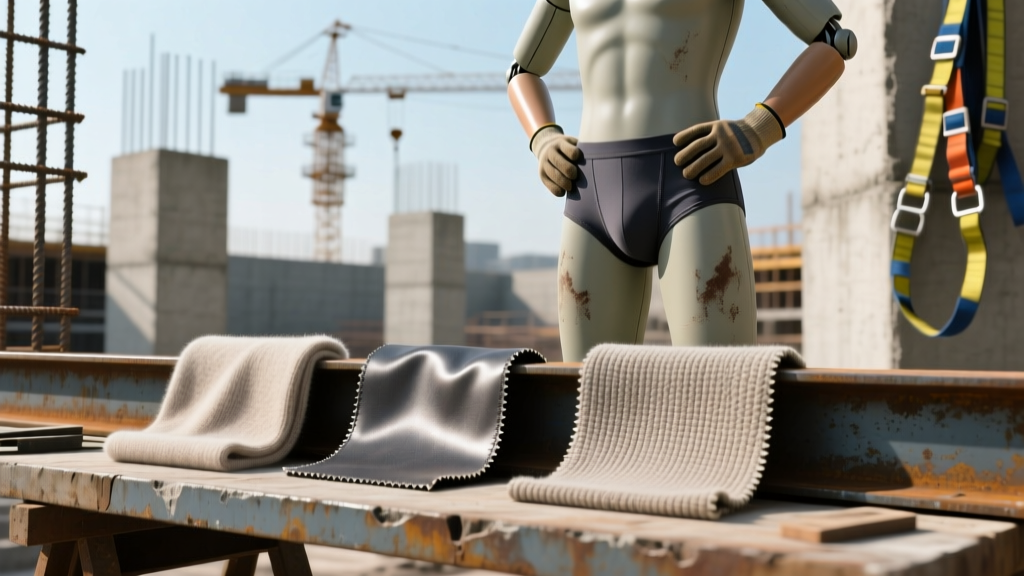
The Critical Role of Base Layers in Construction PPE
When evaluating personal protective equipment (PPE) on a job site, hard hats, steel-toe boots, and high-visibility vests dominate the conversation. However, the foundation of a worker's thermoregulation and physical comfort lies in their base layer. In construction parlance, asking what is the best material for underwear is fundamentally a question about moisture management, friction resistance, and thermal safety. The wrong fabric choice can lead to severe chafing from tool belts, dangerous evaporative cooling in winter, or catastrophic melt-to-skin burn hazards during hot work.
Unlike standard office or athletic environments, a construction site subjects the human body to extreme environmental shifts, abrasive gear, and high-stakes safety hazards. Selecting the correct base layer material is not a matter of luxury; it is a critical component of occupational health and site safety.
The Big Three: Merino Wool, Synthetics, and Cotton
To determine the optimal base layer, we must evaluate the physical properties of the three primary textile categories used in workwear. Each material interacts differently with sweat, friction, and heat sources.
Merino Wool: The Premium Standard
Merino wool is widely considered the gold standard for high-performance base layers. Unlike traditional wool, merino fibers are exceptionally fine (typically between 17.5 and 19.5 microns), eliminating the 'itch' factor. Merino is hygroscopic, meaning it can absorb up to 30% of its weight in moisture while still feeling dry to the touch. Furthermore, the natural lanolin and keratin structure of the fiber inherently resist odor-causing bacteria, allowing workers to wear the same base layer for multiple days on remote job sites without developing a biological stench.
Synthetic Blends: The High-Output Workhorse
Synthetic underwear, primarily constructed from polyester, nylon, and elastane (spandex) blends, relies on hydrophobic fibers to push moisture away from the skin. While synthetics wick sweat faster than wool and dry significantly quicker, they lack natural odor resistance. Manufacturers often apply silver-ion treatments (such as Polygiene) to mitigate bacterial growth, but these treatments degrade over repeated wash cycles. Synthetics excel in high-friction environments due to their high tensile strength.
Cotton: The Dangerous Choice
Among outdoor professionals and safety managers, the adage 'cotton kills' is well known. Cotton fibers absorb moisture but do not wick it away or dry quickly. In summer, a sweat-soaked cotton base layer causes severe chafing under tool belts and harnesses. In winter, wet cotton loses all insulating properties and rapidly draws heat away from the body, drastically increasing the risk of hypothermia when outdoor work slows down.
Material Comparison Matrix
| Material | Moisture Wicking | Odor Resistance | Friction Durability | Flame Resistance | Avg. Cost per Garment |
|---|---|---|---|---|---|
| 100% Merino Wool | Excellent | Superior | Moderate | High (Self-extinguishing) | $70 - $120 |
| Synthetic (Poly/Spandex) | Superior | Poor (unless treated) | High | Dangerous (Melts) | $30 - $55 |
| Merino/Nylon Core Blend | Excellent | Very Good | Very High | Moderate | $80 - $130 |
| Cotton | Poor (Traps moisture) | Poor | Low (Chafes) | Low (Smolders) | $15 - $25 |
Trade-Specific Hazards and Material Selection
The 'best' material is highly dependent on the specific trade and the associated environmental hazards.
Never wear polyester, nylon, or spandex base layers when welding, cutting, torching, or grinding. Synthetic underwear has a low melting point. When exposed to welding slag or grinding sparks, synthetic base layers will melt directly into the skin, causing catastrophic third-degree burns that are difficult to debride. Merino wool has an ignition temperature of approximately 1,382°F (750°C) and is naturally self-extinguishing. For hot work trades, 100% merino or specialized FR (Flame Resistant) treated cotton is the only acceptable base layer material.
Roofers and Pavers: Heat and Aerobic Output
Roofers experience high aerobic output combined with direct sun exposure and radiant heat from asphalt or TPO membranes. These workers need lightweight synthetics with high Moisture Vapor Transmission Rates (MVTR) to prevent sweat accumulation. According to OSHA guidelines on heat exposure, managing core body temperature through breathable, sweat-wicking layers is a primary defense against heat stroke. A synthetic mesh or lightweight polyester blend is optimal here, provided no hot work is occurring.
Framers and Heavy Civil: Friction and Abrasion
Carpenters, ironworkers, and heavy civil operators wear heavy leather tool belts, concrete forms, and personal fall arrest systems (PFAS). Pure merino wool will quickly develop holes at the hips, waist, and shoulders due to sheer friction and shear forces. For these trades, a merino-nylon core blend (where a nylon filament wraps the wool fibers) provides the necessary abrasion resistance to survive a 12-hour shift under a loaded tool belt while maintaining the temperature-regulating benefits of wool.
If you wear a personal fall arrest system (PFAS), the leg loops and shoulder straps create intense localized pressure and friction. Ensure your base layer underwear features flatlock seams or seamless articulation in the groin and shoulder zones to prevent the harness webbing from rubbing the skin raw over a multi-day shift.
Decoding GSM: Matching Weight to the Season
Base layer materials are categorized by GSM (Grams per Square Meter). Selecting the correct GSM is just as important as selecting the correct fiber.
- Lightweight (150–170 GSM): Best for summer months or high-aerobic tasks (roofing, demolition). Provides a micro-climate that wicks sweat without adding thermal insulation.
- Midweight (200–250 GSM): The versatile workhorse for spring and fall. Ideal for general contractors moving between climate-controlled interiors and outdoor sites.
- Heavyweight (250–320+ GSM): Essential for static winter work (operating heavy machinery, flagging, concrete finishing in cold weather). As noted in OSHA's cold stress protocols, trapping a layer of dead air close to the skin is vital for preventing hypothermia and frostbite during low-mobility tasks.
Care and Maintenance for Longevity
High-performance base layers require specific care to maintain their structural integrity and moisture-wicking capabilities. Never use fabric softeners on synthetic or merino underwear; softeners coat the fibers in a waxy residue that completely destroys their hydrophilic/hydrophobic moisture management properties. Wash merino wool on cold, gentle cycles with enzyme-free detergents, and air dry whenever possible. Synthetics can withstand machine drying on low heat, but high heat will degrade the elastane (spandex) fibers, leading to a loss of compression and fit.

Final Verdict: What Should You Buy?
If budget allows, a merino-nylon core blend (200-250 GSM) is the ultimate, versatile 'underwear' and base layer material for the majority of construction trades. It offers the odor resistance and thermoregulation of wool with the abrasion resistance required to withstand tool belts and harnesses. For welders and ironworkers, 100% heavyweight merino or certified FR cotton is a non-negotiable safety requirement. Avoid cotton entirely, and restrict pure synthetics to high-heat, high-sweat environments where fire hazards are strictly controlled.
Written by
James ThorntonJames Thornton is a construction industry veteran with 25 years of hands-on experience in wood framing, lumber grading, and residential building codes. He started as a framing carpenter in rural Oregon, earned his ICC Residential Building Inspector certification, and eventually became a senior plan reviewer for the City of Portland Bureau of Development Services. James holds a B.S. in Wood Science & Technology from Oregon State University and is a certified lumber grader through the West Coast Lumber Inspection Bureau (WCLIB). He has inspected over 3,000 residential construction sites and authored the city's internal guide on advanced framing techniques (2x6 at 24" O.C.). James lives in Bend, OR, where he builds custom timber-frame cabins and competes in lumberjack sports.
More from James Thornton
View all
Insulation
Best Home Insulation Materials: Complete 2026 Guide
Compare top home insulation materials for 2026. Find R-values, installed costs per square foot, and best uses for fiberglass, spray foam, and mineral wool.
Aug 4, 2026

Sustainable Building
Certify Your Green Building Material for LEED and WELL
Step-by-step guide to certifying a green building material for LEED v5 and WELL v2. Master EPDs, HPDs, and VOC limits for 2026 project specifications.
Aug 4, 2026

Stone & Masonry
Veneer Stacked Stone Panels: Interior Design & Style Showcase
Discover how veneer stacked stone panels transform interiors. Explore modern design profiles, material pairings, and technical installation specs.
Aug 4, 2026