ProVia Stone Veneer: The Complete Material & Design Guide
Explore ProVia stone veneer profiles, material composition, installation protocols, and 2026 cost data for exterior and interior applications.

The Architecture of ProVia Manufactured Stone Veneer
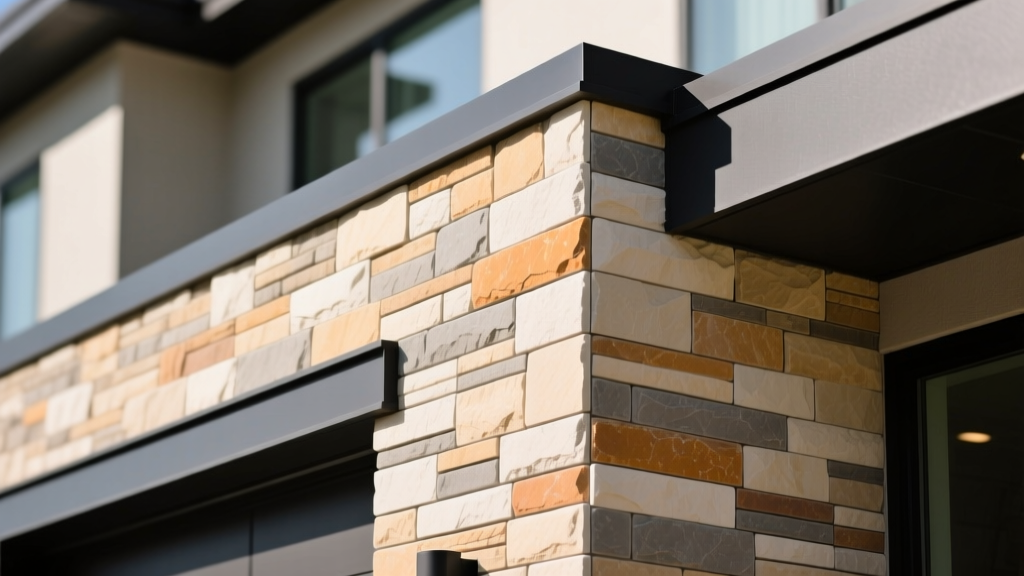
ProVia stone veneer represents a premium tier within the manufactured stone veneer (MSV) market. Unlike natural stone, which requires heavy structural support and extensive masonry labor, ProVia's MSV is engineered from a precise blend of Portland cement, lightweight aggregates, and iron-oxide pigments. This composition yields a product that weighs approximately 10 to 12 pounds per square foot—roughly one-third the weight of natural limestone or granite—while maintaining a compressive strength that routinely exceeds 2,500 PSI. For architects and builders, this weight-to-strength ratio eliminates the need for specialized foundation footings in most residential and light-commercial retrofits.
Manufactured under strict adherence to ASTM C1670 standards, ProVia stone is tested for freeze-thaw durability, water absorption, and flexural strength. The pigments are integrated throughout the concrete matrix rather than surface-painted, ensuring that minor chips or abrasions do not reveal a raw concrete core.
Core Profile Lines and Aesthetic Applications
ProVia categorizes its veneer into distinct textural profiles, each dictating a specific installation pattern and mortar joint technique. Selecting the correct profile is critical for aligning with the architectural style of the structure.
- Fieldstone: Characterized by rounded, organic shapes ranging from 3 to 10 inches in diameter. This profile requires a standard mortar joint (typically 1/2 inch to 1 inch) and is heavily utilized in Craftsman, Cape Cod, and traditional farmhouse exteriors. Popular color blends include Weathered Wood and Hearthstone.
- Heritage Stone: Features a chiseled, ashlar-cut aesthetic with rectangular and square faces. It provides a more formal, structured appearance suitable for Tudor and Colonial revival designs. Installation requires careful coursing to maintain horizontal sightlines.
- Dry Stack (Ledgestone): A linear, low-profile stone designed to be installed with zero mortar joints. The stones interlock tightly, creating a shadow-line effect. This is the preferred profile for contemporary architecture, interior fireplace surrounds, and accent walls where a clean, linear geometry is required.
- Building Stone: Mimics heavily quarried, rough-cut natural stone with deep textural variations and irregular edges. It demands a wide, raked mortar joint to emphasize the rustic, hand-laid masonry appearance.
2026 Pricing Breakdown: Material vs. Installed Costs
Budgeting for ProVia stone veneer requires separating the raw material costs from the specialized masonry labor and accessory requirements. The data below reflects national averages for 2026, though regional labor rates can cause a 15% to 20% variance.
| Cost Component | Price Range (Per Sq. Ft.) | Details & Variables |
|---|---|---|
| ProVia Stone Material | $9.50 - $14.50 | Varies by profile; Dry Stack and Heritage typically sit at the higher end of the spectrum. |
| Accessories & Mortar | $3.00 - $5.50 | Includes 2.5 lb metal lath, corrosion-resistant fasteners, Type S mortar, and weep screed. |
| Masonry Labor | $12.00 - $18.00 | Highly dependent on profile complexity. Dry Stack is faster to install than intricate Fieldstone patterns. |
| Total Installed Cost | $24.50 - $38.00 | Final cost for a fully weatherized, code-compliant exterior application. |
Critical Installation Protocols and Failure Modes
The longevity of ProVia stone veneer is entirely dependent on the moisture management system behind it. MSV is a porous material; it is not a waterproof barrier. When installed incorrectly, trapped moisture leads to catastrophic failure modes.
The Exterior Wall Assembly
- Weather-Resistant Barrier (WRB): Apply two layers of Grade D building paper or a high-performance house wrap over the structural sheathing. The dual-layer approach creates a microscopic drainage plane.
- Weep Screed Installation: A corrosion-resistant weep screed must be installed at the base of the wall. Per building codes, it must sit at least 4 inches above earth grade and 2 inches above paved surfaces to prevent capillary action and soil-borne moisture intrusion.
- Metal Lath and Scratch Coat: Fasten 2.5 lb self-furring galvanized metal lath using corrosion-resistant nails or staples every 6 inches on center. Apply a 1/2-inch Type S mortar scratch coat, scoring it horizontally to provide a mechanical key for the setting bed.
- Stone Application: Butter the back of each ProVia stone with a 1/2-inch layer of mortar and press firmly into the setting bed until mortar squeezes out, ensuring 100% coverage to prevent voids where water could pool and freeze.
Efflorescence (a white, powdery salt deposit) occurs when water-soluble salts within the cement matrix are pushed to the surface by evaporating moisture. While primarily cosmetic, it indicates excessive moisture behind the veneer. If this moisture freezes, it causes spalling—the fracturing and flaking of the stone face. Always ensure roof overhangs, gutters, and flashing direct water away from the MSV installation.
ProVia vs. Competitors: Cultured Stone and Eldorado
When specifying manufactured stone, contractors frequently weigh ProVia against other industry leaders. Here is how ProVia compares on critical performance and design metrics.
- ProVia vs. Cultured Stone (Boral/Bedrock): Cultured Stone offers a wider breadth of niche color palettes and specialized architectural shapes (like keystones and sills). However, ProVia's aggregate mix is notably denser, resulting in fewer edge-chips during transit and installation. ProVia also integrates seamlessly with their own manufactured siding and trim lines, offering a unified warranty ecosystem for full-exterior builds.
- ProVia vs. Eldorado Stone: Eldorado excels in hyper-realistic natural stone replication, particularly in their limestone and travertine lines. ProVia leans slightly more toward traditional, robust fieldstone and rustic profiles. Eldorado's weight is comparable, but ProVia's mortar adhesion properties on the back of the stone (due to their specific mold texturing) often yield faster installation times for masons.
Interior vs. Exterior Application Nuances
While ProVia stone is rated for both environments, the installation methodology shifts drastically for interior applications. Interior walls do not require a WRB, metal lath, or weep screed. Instead, the stone can be applied directly to unpainted, unsealed drywall or cement board using a polymer-modified thin-set mortar (ANSI A118.4 or A118.15).
However, when installing ProVia Dry Stack around interior wood-burning fireplaces, maintain a minimum 12-inch clearance from the firebox opening, or adhere to the specific clearance requirements outlined by the fireplace manufacturer. The heat cycles from a firebox can degrade standard cementitious mortar over time if placed too close to the heat source; in these high-heat zones, a high-temperature refractory mortar must be utilized.
Maintenance and Longevity Framework
ProVia stone veneer requires minimal maintenance, but proactive care ensures the pigments remain vibrant and the mortar joints stay intact. Avoid using wire brushes or high-pressure power washers (anything exceeding 800 PSI), as these will erode the mortar joints and strip the surface patina. For routine cleaning, use a soft-bristle brush with a mild solution of water and a non-acidic, phosphate-free detergent. If efflorescence appears, remove it with a dry, stiff nylon brush before attempting any chemical treatments, as introducing water to efflorescence can drive the salts deeper into the pore structure.
For comprehensive installation specifications and technical data sheets, refer directly to the ProVia Stone Official Documentation or consult the Masonry Veneer Manufacturers Association (MVMA) installation guidelines to ensure compliance with local building codes.
Written by
Elena RodriguezElena Rodriguez is a civil engineer and technical writer specializing in concrete technology, masonry systems, and ASTM/ACI compliance. She earned her B.S. in Civil Engineering from Texas A&M University and spent a decade at a materials testing laboratory, performing over 2,000 concrete compressive strength tests and masonry prism evaluations. Elena is an ACI-certified Field Testing Technician (Grade I) and a member of ASTM Committee C12 on Natural Building Stone. She currently consults on forensic engineering cases involving concrete failures and moisture intrusion. Based in San Antonio, TX, Elena is a proud member of the Society of Women Engineers (SWE) and coaches her daughter's FIRST Robotics team.
More from Elena Rodriguez
View all
Walls & Panels
Cost Analysis: Light Gauge Steel Framing Advantages and Disadvantages
Evaluate light gauge steel framing advantages and disadvantages through a strict cost analysis lens, comparing material, labor, and lifecycle expenses.
Aug 4, 2026

Walls & Panels
Gypsum Board Types: Exact Specifications, Thickness & Dimensions
Compare standard, Type X, and moisture-resistant gypsum board types. Get exact specifications, thicknesses, dimensions, and ASTM standards for your project.
Aug 4, 2026

Fire Resistance
Best Fire-Resistant Outdoor Decking Materials: 2026 Buyer Guide
Discover the best fire-resistant outdoor decking materials for 2026. Compare Class A PVC, aluminum, and hardwood options for WUI compliance and safety.
Aug 4, 2026