Corrosion Protection for New Castle Steel Deck Framing Systems
Protect your New Castle steel deck framing from rust. Learn coating specs, galvanic corrosion risks, and field touch-up methods for 2026.

The Corrosion Reality of Outdoor Steel Deck Framing
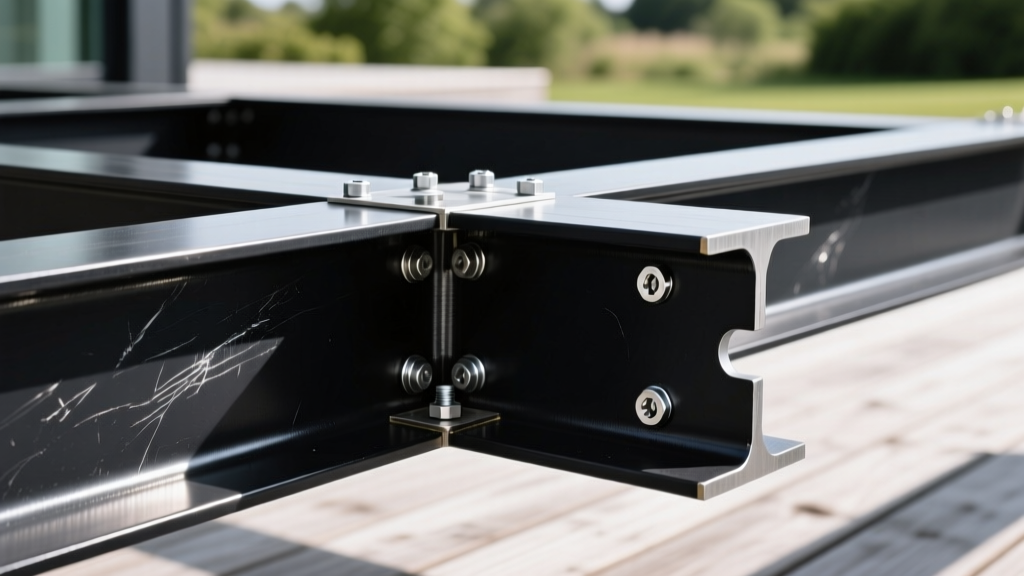
Transitioning from pressure-treated lumber to steel deck framing is one of the most significant upgrades a builder can make for outdoor living spaces. New Castle steel deck framing systems have emerged as a premium choice, offering superior span capabilities, non-combustibility, and resistance to warping or splitting. However, deploying structural steel in exterior, weather-exposed environments introduces a persistent adversary: corrosion. While modern steel framing is heavily protected at the factory, the long-term structural integrity of your deck relies on understanding how these protective coatings function, where they fail, and how to execute proper field-applied corrosion protection.
This guide details the specific metallurgical and chemical protections inherent to New Castle steel deck framing, outlines environmental threat profiles, and provides a strict protocol for installers to maintain the system's corrosion resistance after cutting and drilling on the job site.
Understanding the Baseline Factory Coatings
New Castle steel deck framing does not rely on a single layer of defense. The factory-applied protection is a multi-stage system designed to provide both barrier protection and sacrificial anode protection. Understanding this baseline is critical for knowing how to repair it when compromised.
Factory Coating Specification Breakdown
- Stage 1: G90 Hot-Dip Galvanization. The base steel is coated with a minimum of 0.90 ounces of zinc per square foot (ASTM A653). This provides sacrificial cathodic protection; if the coating is scratched, the zinc corrodes preferentially to the underlying steel.
- Stage 2: Zinc-Rich Epoxy Primer. A secondary chemical bond layer that enhances adhesion and adds a secondary sacrificial barrier.
- Stage 3: TGIC Polyester Powder Coat. An architectural-grade, UV-stable topcoat (typically 2.0 to 3.0 mils thick) that provides the primary moisture barrier and aesthetic finish, resisting chalking and fading in direct sunlight.
When left intact, this tri-layer system can easily exceed 50 years of maintenance-free service in standard inland environments. The vulnerability arises not from the faces of the joists, but from the cut ends, drilled holes, and field modifications made during installation.
Environmental Threat Profiles and Fastener Selection
Corrosion is not a uniform threat. The rate at which New Castle steel deck framing degrades depends heavily on the microclimate of the installation site. Matching your fastener metallurgy and maintenance schedule to the specific environmental threat is mandatory for preventing localized galvanic cells.
| Environment Type | Primary Corrosive Agent | Threat Level | Mandatory Fastener Grade |
|---|---|---|---|
| Inland / Rural | Standard humidity, rain | Low | Hot-Dipped Galvanized (ASTM A153) |
| Urban / Industrial | Sulfur dioxide, acid rain | Moderate | 304 Stainless Steel |
| Alpine / Snow Belt | Chloride de-icing salts | High | 316 Stainless Steel |
| Coastal (Within 1 mile) | Airborne sodium chloride | Severe | 316 Stainless Steel |
Using standard zinc-plated fasteners (electroplated) with New Castle steel framing in any exterior application is a critical error. The thin zinc layer on cheap fasteners will deplete within months, leading to rapid red rust streaking and localized pitting on the steel joist.
Field-Applied Protection: The Touch-Up Protocol
Every time an installer cuts a New Castle steel joist to fit a rim board or drills a hole for a plumbing penetration, the factory coating is severed, exposing the raw steel substrate. If left untreated, moisture will infiltrate beneath the powder coat, causing sub-film corrosion that blisters and peels the surrounding finish.
According to the American Galvanizers Association, field touch-up of galvanized and coated steel must follow strict surface preparation and material guidelines to restore sacrificial protection.
Step-by-Step Cut-End Treatment
- Surface Preparation (SSPC-SP2): Do not simply paint over a freshly cut, burr-laden edge. Use a wire brush or abrasive pad to remove all cutting slag, burrs, and heat-discolored metal (the blue/black burn marks from friction saws). The surface must be clean, dull, and free of oils.
- Apply Zinc-Rich Compound: Apply a cold galvanizing compound containing a minimum of 90% zinc dust in the dry film (e.g., ZRC Cold Galvanizing Compound or Thurmalox 245). Do not use standard 'galvanized look' spray paints, which contain aluminum or mica flakes but lack the elemental zinc required for cathodic protection.
- Feather and Topcoat: Once the zinc compound cures (typically 24 hours), lightly feather the edges with 220-grit sandpaper. If the deck framing is visible and aesthetics matter, apply a matching TGIC polyester or exterior-grade acrylic topcoat to seal the porous zinc layer and prevent white rust (zinc oxide) formation.
Cutting New Castle steel framing with a high-RPM abrasive chop saw generates extreme localized heat. This heat vaporizes the adjacent zinc coating up to 1/4 inch away from the cut line. Always grind back the discolored zone until bright, unburned zinc or bare steel is visible before applying your cold-galv touch-up.
Galvanic Corrosion: The Hidden Threat of Dissimilar Metals
One of the most frequent causes of premature failure in steel deck framing is galvanic corrosion, which occurs when two dissimilar metals are in electrical contact in the presence of an electrolyte (rainwater or humidity). In a galvanic cell, the more anodic metal corrodes rapidly while the cathodic metal is protected.
Because steel is highly anodic compared to metals like copper and aluminum, direct contact with these materials will cause the New Castle steel framing to sacrifice itself at an accelerated rate. The British Stainless Steel Association provides extensive data on how galvanic series differentials drive localized corrosion rates in construction assemblies.
Common Decking Material Conflicts
- Copper Flashing: Never use bare copper flashing against steel joists. The copper ions will aggressively attack the steel. Use PVC-coated copper or heavy butyl-rubber backed flashing membranes to isolate the metals.
- Aluminum Drip Edges: While aluminum is closer to steel on the galvanic series, untreated aluminum in a wet, salty environment will still create a localized cell. Always use a neoprene or EPDM isolation pad between aluminum trim and the steel framing.
- ACQ Treated Wood: Older Alkaline Copper Quaternary (ACQ) pressure-treated lumber is highly corrosive to steel due to its copper content and high alkalinity. If attaching wood elements to the steel frame, ensure the wood is modern micronized copper azole (MCA) or use a heavy-duty bituminous peel-and-stick membrane as a separator.
Designing for Drainage and Airflow
Corrosion protection is not solely a chemical endeavor; it is fundamentally a structural design issue. Water management dictates the lifespan of the framing.
The 1/8-Inch Rule
When installing composite or PVC decking boards over New Castle steel joists, never allow the decking to sit flush and tight against the top flange of the steel. Cap the steel joists with a self-adhering butyl joist tape (such as Trex Protect or G-Tape). This tape serves a dual purpose: it acts as a physical moisture barrier preventing water from pooling on the top flange, and it provides a slight 30-mil cushion that prevents the decking from rattling and abrading the powder coat off the steel during thermal expansion and contraction cycles.
Furthermore, ensure cross-bracing and blocking do not create 'water dams' along the length of the joists. All horizontal surfaces must be sloped or detailed to shed water immediately. Standing water on a steel flange will eventually breach even the most robust powder coating through osmotic blistering.
Annual Inspection and Maintenance Framework
Even with flawless installation, environmental wear demands a proactive inspection schedule. Building owners and facility managers should conduct an annual visual audit of the steel deck framing, specifically targeting the following failure modes:
- White Rust (Zinc Oxide): Appears as a chalky, white, powdery deposit. This indicates the zinc layer is actively sacrificing itself but is trapped in a constantly wet environment without adequate airflow to form a stable protective patina. Improve under-deck ventilation immediately.
- Red Rust (Iron Oxide): Appears as flaking orange/brown scale. This means the zinc and primer layers have been fully depleted, and the base steel is corroding. Mechanically remove the rust via wire brushing, treat with a phosphoric acid converter, and reapply the zinc-rich compound and topcoat.
- Fastener Weeping: Brown streaks originating from screw heads indicate the fastener itself is corroding, or a galvanic cell has formed between the fastener and the joist. Replace weeping fasteners with 316 stainless steel equivalents and seal the head with an exterior-grade polyurethane sealant.
By respecting the metallurgical properties of New Castle steel deck framing and enforcing strict field-handling protocols, contractors can deliver outdoor structures that outlast the composite decking they support, ensuring decades of structural reliability without the rot, twisting, and degradation inherent to traditional timber framing.
Written by
Priya KapoorPriya Kapoor is a real estate market analyst and construction economics researcher with expertise in housing affordability, development feasibility, and infrastructure investment. She holds a Master of Regional Planning from Cornell University and previously worked as a senior analyst at CBRE's Investment Properties group, where she modeled returns for $4B in mixed-use development pipelines. Priya now runs an independent research practice advising developers, municipalities, and REITs on construction cost forecasting and market timing. She publishes the quarterly "BuildMat Market Pulse" report tracking material price indices across 12 commodity categories. Based in Austin, TX, Priya serves on the board of Habitat for Humanity Austin and is a marathon runner.
More from Priya Kapoor
View all
Construction Cost
Cost to Build a 1600 Sq Ft Home in 2026: Full Breakdown
Accurate 2026 cost to build a 1600 sq ft home—material, labor, and regional pricing breakdowns included. Plan your budget with real-time estimates.
Aug 11, 2026

Wood & Lumber
Name the Types of Wood for Pressure Treatment and Preservation
Learn how to name the types of wood best suited for pressure treatment. Compare species treatability, chemical retention levels, and 2026 preservation costs.
Aug 4, 2026

Stone & Masonry
Stone Veneer Suppliers Lindenhurst: 2026 Cost Analysis
Analyze 2026 stone veneer costs in Lindenhurst, NY. Compare local supplier pricing, delivery fees, and Suffolk County installation labor rates.
Aug 4, 2026