Cedar Type of Wood: Cost vs Value Analysis for 2026 Builds
Evaluate the true cost of the cedar type of wood in 2026. We break down lumber grades, hidden fastener costs, and 25-year ROI versus composite and pine.
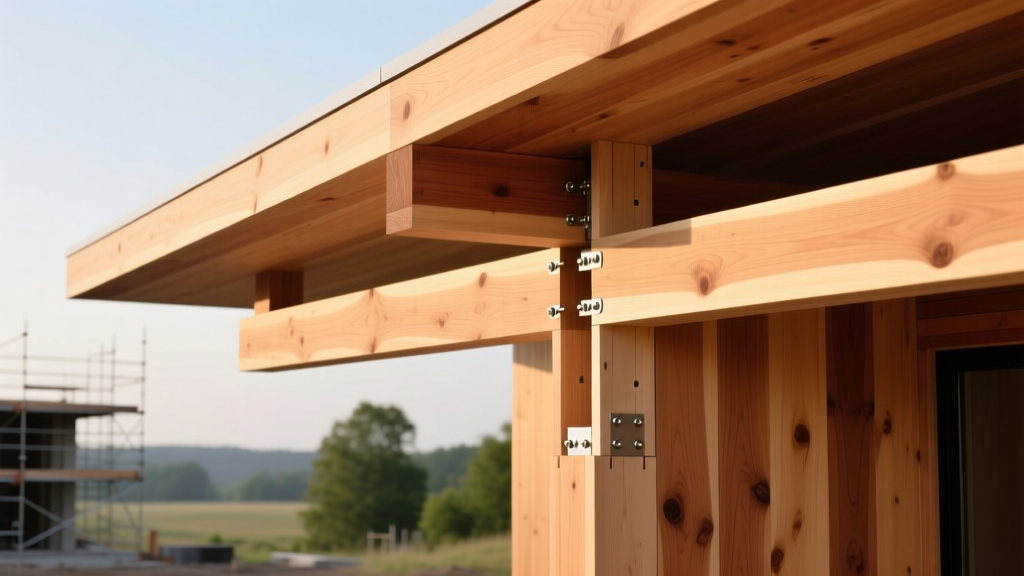
The True Cost of the Cedar Type of Wood in 2026
When architects and builders specify the cedar type of wood for exterior cladding, decking, or fencing, they are paying a premium for natural decay resistance, dimensional stability, and aesthetic warmth. However, the upfront material cost is only one variable in the value equation. In 2026, market fluctuations in sustainable forestry yields and milling capacities have shifted the pricing tiers of cedar lumber, making precise grade selection more critical than ever to protect project margins.
Unlike pressure-treated southern yellow pine (SYP) or mass-produced composite alternatives, cedar pricing is heavily stratified by visual grading rules established by the Western Red Cedar Lumber Association (WRCLA). Understanding these tiers prevents over-specifying for hidden applications and under-specifying for high-visibility architectural features.
2026 Lumber Yard Pricing: Western Red Cedar by Grade and Dimension
The following data reflects Q1 2026 average wholesale-to-retail pricing for Western Red Cedar (WRC) across North American markets. Prices are per linear foot (LF) and assume kiln-dried (KD) stock.
| Dimension | Clear A (No knots, one face) | Select Tight Knot (STK) | Construction / No. 2 |
|---|---|---|---|
| 1x4 (S4S) | $2.40 - $2.95 / LF | $1.50 - $1.85 / LF | $0.95 - $1.20 / LF |
| 1x6 (S4S) | $3.60 - $4.50 / LF | $2.30 - $2.85 / LF | $1.40 - $1.75 / LF |
| 5/4x6 (Decking) | $4.80 - $5.90 / LF | $3.10 - $3.80 / LF | N/A (Rarely milled) |
| 2x6 (Structural) | $5.20 - $6.40 / LF | $3.50 - $4.20 / LF | $2.10 - $2.60 / LF |
Wood Chemistry and Hidden Installation Costs
The natural durability of the cedar type of wood comes from its unique chemical composition, specifically water-soluble extractives called thujaplicins, which act as natural fungicides. However, cedar also contains high levels of thujic acid and tannins. This chemistry directly dictates your hidden hardware and finishing costs, which frequently derail project budgets if ignored.
The Fastener Corrosion Penalty
Cedar's acidic nature will rapidly corrode standard zinc-plated or hot-dipped galvanized fasteners. The chemical reaction between the zinc and the cedar acids produces black tannin streaks that permanently ruin the wood's appearance and compromises the fastener's shear strength within 3 to 5 years.
You must use Type 304 stainless steel fasteners for inland cedar installations, and Type 316 stainless steel for coastal environments (within 10 miles of saltwater). Expect to pay a 200% to 300% premium for stainless steel deck screws compared to polymer-coated structural screws. For a 500 sq. ft. deck requiring roughly 1,800 screws, budget an additional $250 to $350 strictly for 304 SS fasteners.
Finishing and Tannin Bleed Management
If you intend to stain or seal the cedar rather than let it weather to a silvery gray, you must account for tannin bleed. New cedar must be allowed to weather for 30 to 45 days, or chemically treated with a tannin-blocking wood brightener (oxalic acid based) before applying penetrating oil stains like TWP or Penofin. Film-forming finishes (polyurethanes, solid acrylics) will peel within 18 months on exterior cedar due to the wood's high moisture vapor transmission rate. Budget $0.65 to $0.90 per square foot for high-quality penetrating oil finishes, requiring reapplication every 2 to 4 years.
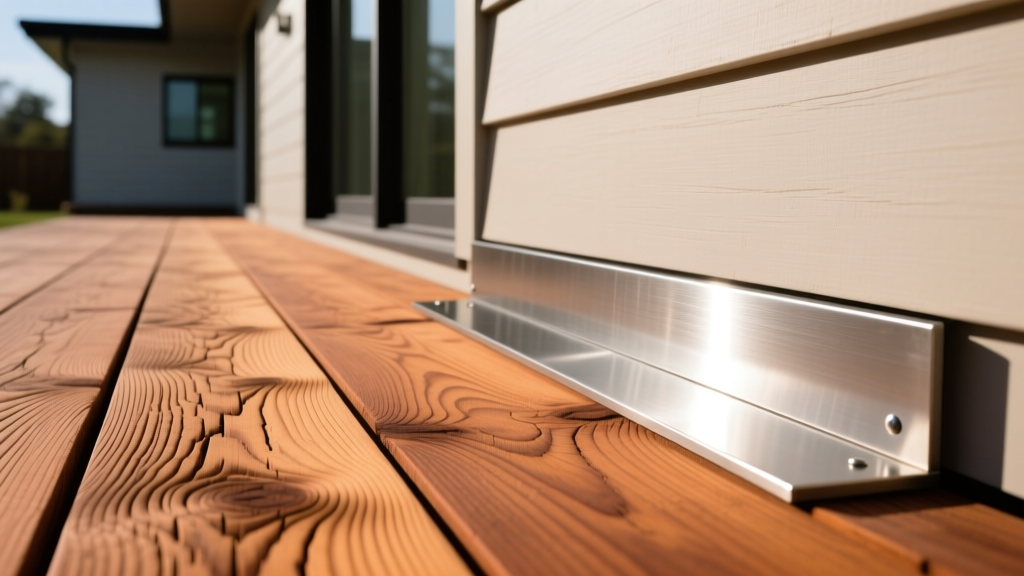
Western Red vs. Alaskan Yellow: A Value Comparison
When sourcing the cedar type of wood, buyers often encounter Alaskan Yellow Cedar (AYC). Despite the name, AYC is technically a cypress, but it is marketed and utilized as cedar. Comparing the two reveals distinct value propositions based on application.
- Janka Hardness: Western Red Cedar is exceptionally soft at 350 lbf, making it prone to denting from heavy patio furniture or dog claws. Alaskan Yellow Cedar rates at 830 lbf, offering more than double the impact resistance.
- Dimensional Stability: WRC has a volumetric shrinkage of 7.8%, while AYC shrinks at 7.2%. Both are highly stable compared to pine, but AYC holds tighter tolerances in extreme freeze-thaw cycles.
- Cost Differential: AYC typically commands a 20% to 30% premium over WRC due to restricted harvesting zones in Southeast Alaska and British Columbia.
The Verdict: Specify Western Red Cedar for vertical applications (siding, fencing, soffits) where impact resistance is irrelevant and budget is a priority. Reserve Alaskan Yellow Cedar for high-traffic horizontal applications (decking, boardwalks, exterior stairs) where its superior hardness justifies the premium.
Acclimatization and Installation Tolerances
A frequent failure mode in cedar construction is improper gapping during installation, leading to buckling or excessive splitting. The USDA Forest Products Laboratory emphasizes that wood movement is dictated by its moisture content (MC) relative to the local equilibrium moisture content (EMC).
If you purchase Kiln-Dried After Treatment (KDAT) or standard KD cedar (MC around 12-15%), it will expand slightly when exposed to outdoor humidity. You must leave a 1/8-inch to 3/16-inch gap between 5/4x6 deck boards. Conversely, if you source "green" or unseasoned cedar (MC 19%+), the boards will shrink significantly as they cure. Green boards must be installed tight (butted directly together); if you gap green cedar, you will end up with 1/2-inch gaps that trap debris and pose a tripping hazard once the wood dries.
The 25-Year Total Cost of Ownership (TCO) Model
To truly evaluate the value of the cedar type of wood, we must compare its 25-year lifecycle cost against pressure-treated (PT) pine and capped composite decking for a standard 500 sq. ft. deck surface.
| Cost Factor (500 sq. ft.) | STK Western Red Cedar | Pressure-Treated Pine | Capped Composite |
|---|---|---|---|
| Initial Material Cost | $1,750 | $850 | $3,250 |
| Fasteners & Hardware | $350 (304 SS) | $120 (Coated) | $250 (Hidden Clips) |
| Initial Sealing/Staining | $400 | $300 | $0 |
| Maintenance (25 Yrs) | $2,800 (Re-seal every 3 yrs) | $2,200 (Re-seal every 2 yrs) | $150 (Cleaning only) |
| Expected Lifespan | 20-25 Years | 12-15 Years (Requires rebuild) | 25-30+ Years |
| 25-Year TCO | $5,300 | $3,470 + $1,700 Rebuild | $3,650 |
While cedar offers a lower upfront cost than composite and a vastly superior natural aesthetic, its 25-year TCO is the highest of the three due to the relentless maintenance cycle required to prevent UV degradation and moisture intrusion. Cedar provides maximum value for homeowners who view exterior wood maintenance as an acceptable trade-off for authentic architectural character, or for projects where the wood will be allowed to weather naturally to gray (eliminating the $2,800 sealing maintenance cost, though reducing the physical lifespan of the boards by roughly 20%).
Final Procurement Strategy
When ordering the cedar type of wood for your 2026 project, bypass big-box home centers where inventory is often improperly stored and warped. Source directly from specialized regional lumber yards that keep cedar wrapped and shaded. Always specify WRCLA grading rules on your purchase order (e.g., "1x6 WRC, Select Tight Knot, S4S, KD") to eliminate substitution disputes and ensure you receive the exact structural and visual quality your budget requires.
Written by
David NakamuraDavid Nakamura is a licensed architect (AIA) and construction technology writer focused on sustainable building methods, mass timber engineering, and high-performance building envelopes. He holds a Master of Architecture from the University of Washington and is a certified Passive House Consultant (CPHC). David spent eight years at the Seattle firm Mithun, where he led the design of three LEED Platinum projects, before founding his own practice specializing in net-zero residential design. He serves on the editorial advisory board of GreenBuilder Magazine and has authored peer-reviewed papers on cross-laminated timber (CLT) connections for the Journal of Structural Engineering. In his spare time, David teaches woodworking at Pratt Fine Arts Center and kayaks the Puget Sound.
More from David Nakamura
View all
Construction Cost
Labor Cost to Build a Deck Per Sq Ft: 2026 Installation Guide
Discover the exact labor cost to build a deck per sq ft in 2026. This installation guide breaks down contractor rates, complexity factors, and hidden fees.
Aug 4, 2026

Construction Cost
How Much Does It Cost to Build a 3 Bedroom House? Financing Guide
Learn exactly how much it costs to build a 3 bedroom house and explore 2026 financing options, construction loan types, and budget frameworks for your build.
Aug 4, 2026

Construction Cost
Cost to Build a Tennis Court: 2026 Guide
How much does it cost to build a tennis court in 2026? Breakdowns for asphalt, concrete, and synthetic surfaces plus fencing and lighting.
Jul 30, 2026