Comparing Different Types of Wood Stoves: A Selection Framework
Compare different types of wood stoves using our selection framework. Evaluate catalytic vs. non-catalytic, steel vs. cast iron, and EPA standards.
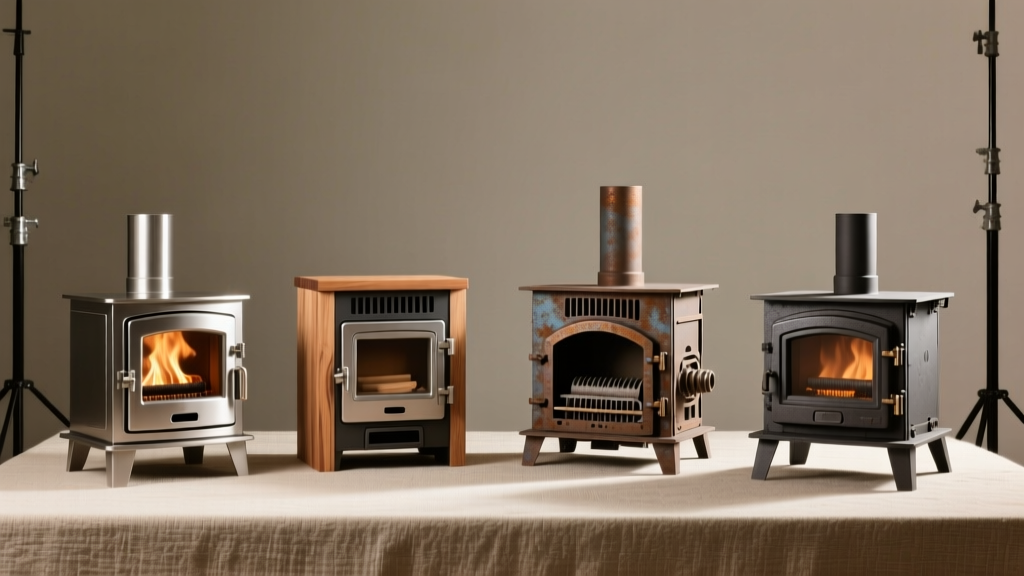
The Core Decision Matrix: Catalytic vs. Non-Catalytic Combustion
Selecting between the different types of wood stoves requires understanding combustion technology before evaluating aesthetics. Modern EPA-certified stoves utilize one of three primary combustion systems to achieve the mandated 2026 emission limits of 2.0 grams per hour (g/hr) for cordwood.
1. Catalytic Combustion Systems
Catalytic stoves route exhaust gases through a platinum- or palladium-coated ceramic honeycomb combustor. This catalyst lowers the ignition temperature of smoke from roughly 1,100°F to 500°F. The result is a highly efficient, long-burning fire. Models like the Blaze King Princess 32 can sustain a low-burn cycle for 30 to 40 hours on a single load of seasoned hardwood. The trade-off is maintenance: the catalytic combustor degrades over time and requires replacement every 6 to 10 years, costing between $150 and $250. Furthermore, burning treated wood, garbage, or unseasoned wood will rapidly poison and destroy the catalyst.
2. Non-Catalytic (Secondary Burn) Systems
Non-catalytic stoves rely on extreme heat and precise oxygen management. They feature insulated fireboxes and secondary air injection tubes positioned above the fuel load. When the firebox reaches approximately 1,100°F, pre-heated oxygen is injected into the smoke, triggering a secondary combustion event (visible as rolling flames above the wood). Stoves like the Lopi Endeavor NexGen excel here. They require less meticulous fuel management than catalytic models and have no expensive internal parts to replace. However, they typically max out at 8 to 12 hours of burn time and operate at a higher, more intense heat output, making them less ideal for tightly sealed, well-insulated modern homes during shoulder seasons.
3. Hybrid Systems
Hybrid stoves, such as the Hearthstone Craftsbury, combine a catalytic combustor with secondary burn tubes. This provides the high-heat visual appeal and rapid warm-up of a non-catalytic stove, with the extended, low-emission burn times of a catalytic unit. These represent the premium tier of the market, often exceeding $4,500 before installation.
Material Science: Cast Iron vs. Steel vs. Soapstone
The physical material of the stove dictates its thermal mass, heat radiation profile, and structural longevity. Understanding these metallurgical differences is critical for matching the stove to your living space.
| Material | Warm-Up Time | Heat Retention | 2026 Avg. Price Range | Best Application |
|---|---|---|---|---|
| Steel | Fast (15-20 mins) | Low (Cools quickly) | $1,500 - $2,800 | Weekend cabins, rapid heating needs |
| Cast Iron | Moderate (30-45 mins) | Medium-High | $2,500 - $4,200 | Primary heat source, traditional aesthetics |
| Soapstone | Slow (1-2 hours) | Extreme (Radiates for hours) | $3,800 - $6,000+ | 24/7 primary heating, open-concept spaces |
Steel stoves, constructed from heavy-gauge welded steel, transfer heat via convection and direct radiation almost immediately. However, once the fire dies, the room cools rapidly. Cast iron stoves (like those from Jøtul) are assembled from bolted plates sealed with high-temperature cement. They take longer to heat but provide a steady, even radiant warmth. Soapstone, utilized by manufacturers like Woodstock Soapstone Company, possesses the highest specific heat capacity. A soapstone stove will continue to radiate comfortable heat into a room for 3 to 4 hours after the fire has completely extinguished, smoothing out the extreme temperature spikes typical of steel units.
Sizing and BTU Output: The Cubic Footage Trap
The most frequent error buyers make is selecting a stove based solely on the manufacturer's advertised square footage rating. These ratings assume an open floor plan, 8-foot ceilings, and average insulation. To properly size your unit, you must calculate the actual heat loss of your structure.
Step-by-Step BTU Calculation Framework
- Calculate Volume: Multiply the square footage of the heating area by the ceiling height (e.g., 1,200 sq ft x 10 ft = 12,000 cubic feet).
- Determine Temperature Rise: Subtract your average winter outdoor design temperature from your desired indoor temperature (e.g., 70°F inside - 10°F outside = 60°F rise).
- Apply the Insulation Factor: Multiply the volume by the temperature rise, then divide by a factor representing your home's insulation. Use 1.6 for well-insulated modern homes, 1.2 for average insulation, and 0.8 for drafty, uninsulated structures.
- Calculate Required BTUs: (12,000 x 60) / 1.6 = 450,000. Divide by the number of hours you want the stove to bridge between loads (typically 4) to find your target hourly output: 112,500 BTU/hr peak requirement.
Manufacturers advertise 'Peak BTU' (the maximum output achieved with a firebox full of dry oak burning aggressively). For daily heating, you must look at the 'Sustainable BTU' or 'Average Output' rating. A stove rated for 70,000 Peak BTUs may only produce 25,000 Sustainable BTUs on a low burn setting. Oversizing a stove to chase peak numbers will force you to burn it with the air intake choked down, leading to creosote buildup, dirty glass, and wasted fuel.
Drafting, Clearances, and Installation Realities
A wood stove is only as effective as its chimney system. According to the Wood Heat Organization, proper draft is the engine that drives combustion. Modern EPA stoves require a specific flue diameter—almost universally 6 inches for units under 3.0 cubic feet, and 8 inches for larger units. Never reduce a 6-inch stove collar to a 5-inch chimney pipe to save money; this will starve the secondary burn tubes of oxygen and cause smoke spillage.
Clearance to combustibles is another rigid constraint. While older stoves required 36 inches of clearance from unprotected walls, modern units with integrated heat shields can be placed as close as 12 to 18 inches from the wall. However, floor protection remains non-negotiable. You must install a non-combustible hearth pad with a minimum R-value of 1.0 (for thermal insulation) and an R-value of 0.5 (for ember protection), extending at least 18 inches in front of the loading door and 8 inches on the sides.
"The chimney is the engine of the wood stove. If you invest $4,000 in a high-efficiency hybrid stove but vent it through an unlined, cold exterior masonry chimney, the draft will fail, and the stove will perform like a $200 barrel burner. Always install an insulated, stainless steel Class A chimney liner directly to the stove collar."
Real-World Cost Analysis (2026 Market Pricing)
Budgeting for a wood stove requires looking beyond the sticker price of the unit. Installation materials and labor often double the initial investment.
- The Stove Unit: $1,800 to $5,500 depending on material and combustion technology.
- Class A Chimney Pipe: $85 to $130 per linear foot. A single-story home with a 16-foot roof penetration will require roughly $1,500 to $2,000 in pipe and flashing alone.
- Hearth Pad: Custom masonry or manufactured UL-listed pads (like those from Hy-C) range from $400 to $1,200.
- Professional Installation Labor: Certified installers typically charge $1,200 to $2,500 for a standard through-the-ceiling installation, scaling up to $4,000+ for complex masonry fireplace retrofits requiring structural modification.
As noted by Penn State Extension, factoring in the cost of seasoned firewood (averaging $300 to $450 per cord in 2026 depending on regional hardwood availability), a wood stove typically achieves ROI against heating oil or propane within 3 to 5 heating seasons in northern climate zones.
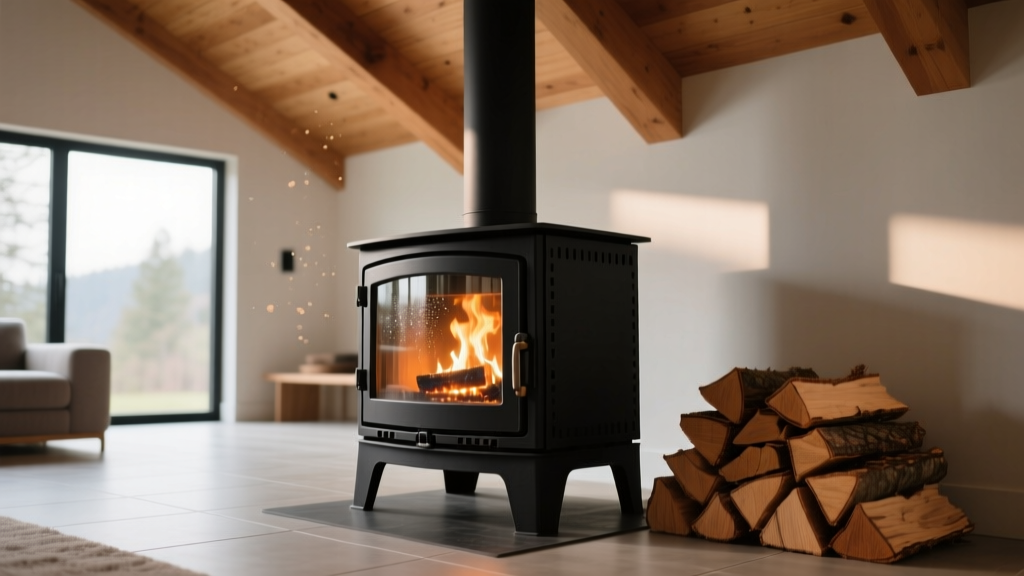
Final Selection Decision Tree
Use this rapid framework to finalize your selection:
- If you need 24/7 primary heat in a well-insulated home: Choose a Catalytic Soapstone or Cast Iron stove (2.0 to 2.5 cu. ft. firebox). Prioritize long burn times over peak BTU.
- If you are heating a drafty cabin on weekends: Choose a Non-Catalytic Steel stove. You need rapid heat output and low maintenance for intermittent use.
- If you are retrofitting an existing masonry fireplace: Choose a compact Non-Catalytic or Hybrid insert with a stainless steel liner, ensuring the unit fits the existing hearth dimensions without violating clearance codes.
- If you burn softwood or scavenged pallet wood: Strictly avoid Catalytic stoves. The resins and chemical treatments will destroy the catalyst. Opt for a robust Non-Catalytic design with easily replaceable baffle boards and firebricks.
Written by
Marcus ChenMarcus Chen is a licensed structural engineer (PE) and building materials analyst with over 12 years of experience across residential, commercial, and industrial construction. He holds a Master of Science in Civil Engineering from UC Berkeley and spent six years at Thornton Tomasetti before transitioning to independent consulting and technical writing. Marcus specializes in material selection for seismic-prone regions, concrete reinforcement strategies, and lifecycle cost analysis. His work has been cited by the American Concrete Institute (ACI) and the Structural Engineers Association of California (SEAOC). When he is not on a job site or at his desk, you will find him hiking the Sierra Nevada or restoring a 1920s craftsman bungalow in Oakland, CA.
More from Marcus Chen
View all
Construction Cost
How Much Did the Eiffel Tower Cost to Build?
How much did the Eiffel Tower cost to build in 1889? We adjust for inflation and compare its budget to modern skyscraper construction.
Aug 4, 2026

Fire Resistance
What Is a Fire Resistant Material? Testing & Certification Guide
Discover what is a fire resistant material through ASTM and UL testing. Learn how fire ratings, certifications, and assemblies work in construction.
Aug 4, 2026

Construction Cost
How Much Did the Burj Khalifa Cost to Build?
How much did the Burj Khalifa cost to build? We break down the $1.5B project and extract 5 money-saving strategies for your next build.
Jul 30, 2026