Treatment & Care for All Types of Wood Paneling for Walls
Discover expert preservation treatments for all types of wood paneling for walls. Learn moisture, pest, and UV protection protocols for lasting durability.
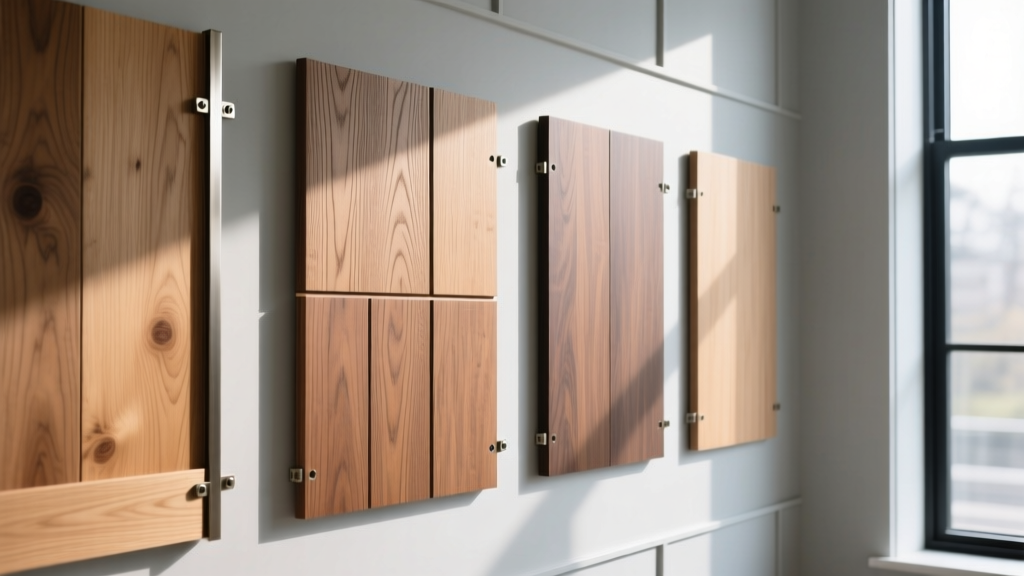
The Hidden Vulnerabilities of Wall Paneling
Installing wood paneling transforms interior and exterior spaces, offering superior acoustic damping and thermal mass compared to drywall. However, without precise preservation protocols, the organic nature of wood makes it highly susceptible to hygroscopic swelling, ultraviolet (UV) lignin degradation, and biological decay. When evaluating the various types of wood paneling for walls—from traditional shiplap and tongue-and-groove to modern acoustic slat panels—the longevity of the installation depends entirely on the chemical and physical treatments applied before and during installation.
According to the USDA Forest Products Laboratory, untreated wood exposed to fluctuating interior humidity or exterior weathering can experience dimensional movement of up to 1% tangentially for every 4% change in moisture content. This movement leads to joint separation, fastener back-out, and coating failure. This guide details the exact preservation frameworks required for different wood species and paneling profiles.
Threat Matrix: Paneling Types and Preservation Needs
Not all paneling styles interact with environmental threats equally. The profile of the wood dictates where moisture traps and biological vulnerabilities exist.
| Paneling Profile | Primary Species Used | Moisture Trap Risk | Primary Biological Threat | Mandatory Pre-Treatment |
|---|---|---|---|---|
| Shiplap (Interior) | Pine, Spruce, Poplar | Moderate (horizontal laps) | Surface mold, powderpost beetles | Borate diffusion, back-priming |
| Tongue & Groove (Exterior) | Cedar, Redwood, Cypress | High (capillary action in grooves) | Brown rot, carpenter ants | End-grain epoxy, water repellent |
| Board & Batten | Fir, Hemlock, Pine | Low (vertical drainage) | UV degradation, woodpeckers | UV-inhibiting film, borate base |
| Reclaimed Barn Wood | Oak, Chestnut, Heart Pine | Variable (existing checks/cracks) | Lyctid beetles, embedded spores | Thermal eradication (ISPM 15), kiln drying |
| Acoustic Slat Panels | Walnut, Ash, Oak veneer | Low (interior only) | Tannin bleed, iron staining | Tannin-blocking sealer, clear topcoat |
Species-Specific Treatment Protocols
The cellular structure and natural extractives of the wood species dictate which preservatives will penetrate effectively and which will merely sit on the surface.
Softwoods: Pine, Fir, Spruce, and Cedar
Softwoods are the most common choice for budget-friendly shiplap and board-and-batten applications. However, species like Southern Yellow Pine and Spruce lack natural rot resistance.
- Borate Treatment: For interior softwood paneling, apply a disodium octaborate tetrahydrate (DOT) solution (e.g., Tim-bor Professional). DOT is a water-soluble salt that diffuses into the wood, providing permanent protection against termites and wood-decaying fungi. Cost: $0.40–$0.85 per square foot.
- Cedar and Redwood: These contain natural tannins and extractives (thujaplicins) that resist decay. However, they are highly vulnerable to UV radiation, which breaks down the lignin on the surface, causing a silver-gray weathering effect. If maintaining the original color is required, treat with a penetrating oil containing UV blockers and mildewcides, such as Messmer's UV Plus, avoiding film-forming polyurethanes that will peel as the wood breathes.
Hardwoods: Oak, Walnut, and Ash
Hardwoods are dense, making deep chemical penetration difficult. They are primarily used for premium interior paneling and acoustic slats.
- Tannin Management: White oak and walnut are rich in tannins. If exposed to moisture and ferrous metals, they will produce severe black staining. Always treat hardwood paneling with a tannin-blocking sealer (like Zinsser B-I-N shellac) before applying water-based topcoats.
- Dimensional Stabilization: For highly figured hardwoods prone to cupping, specify factory-applied UV-cured acrylic urethane finishes that encapsulate all six sides of the board, locking the moisture content at the factory-calibrated 6-8%.
Reclaimed and Salvaged Timber
Reclaimed wood offers unmatched aesthetic character but carries severe biological risks. Old barn wood frequently harbors Lyctid powderpost beetles and dormant fungal spores.
- Thermal Eradication: Before milling or installing reclaimed paneling, it must undergo heat treatment to a core temperature of 133°F for a minimum of 30 minutes, aligning with ISPM 15 phytosanitary standards. This eradicates all life stages of wood-boring insects without the use of toxic fumigants like methyl bromide.
- Moisture Equilibration: Reclaimed wood often arrives at 14-18% moisture content. It must be kiln-dried or acclimatized in the installation environment to 6-9% MC to prevent catastrophic shrinking post-installation.
Chemical vs. Natural Preservatives: Decision Framework
Selecting the right preservative depends on the paneling's location, the desired aesthetic, and indoor air quality (IAQ) requirements.
Chemical & Synthetic Preservatives
Best for: Exterior paneling, high-humidity interiors (bathrooms, basements), and commercial applications requiring fire ratings.
- Clear Penetrating Epoxy Sealer (CPES): Stabilizes rotted or highly porous end-grains. It penetrates deeply and cures to a rock-hard state, preventing capillary water uptake.
- Fire Retardants (FR): For commercial egress corridors, paneling must be treated with intumescent or hygroscopic FR chemicals (e.g., Dricon) to meet ASTM E84 Class A flame spread ratings. Note that FR treatments can make the wood hygroscopic, requiring strict humidity control.
Reference: Always verify chemical treatments against the American Wood Protection Association (AWPA) standards for the specific Use Category (e.g., UC1 for interior dry, UC3B for exterior above-ground).
Natural & Plant-Based Preservatives
Best for: Residential interiors, eco-conscious builds, and spaces requiring strict VOC limits (LEED certification).
- Polymerized Tung Oil: Unlike raw tung oil which takes weeks to cure, polymerized versions penetrate hardwood pores and cross-link, providing excellent water resistance without forming a surface film that can crack.
- Borate Salts: Naturally occurring minerals that are highly toxic to fungi and insects but exhibit very low toxicity to mammals, making them ideal for interior shiplap and tongue-and-groove applications.
Reference: The EPA's guidelines on wood preservatives outline the safety profiles and registration requirements for both synthetic and naturally derived biocides.
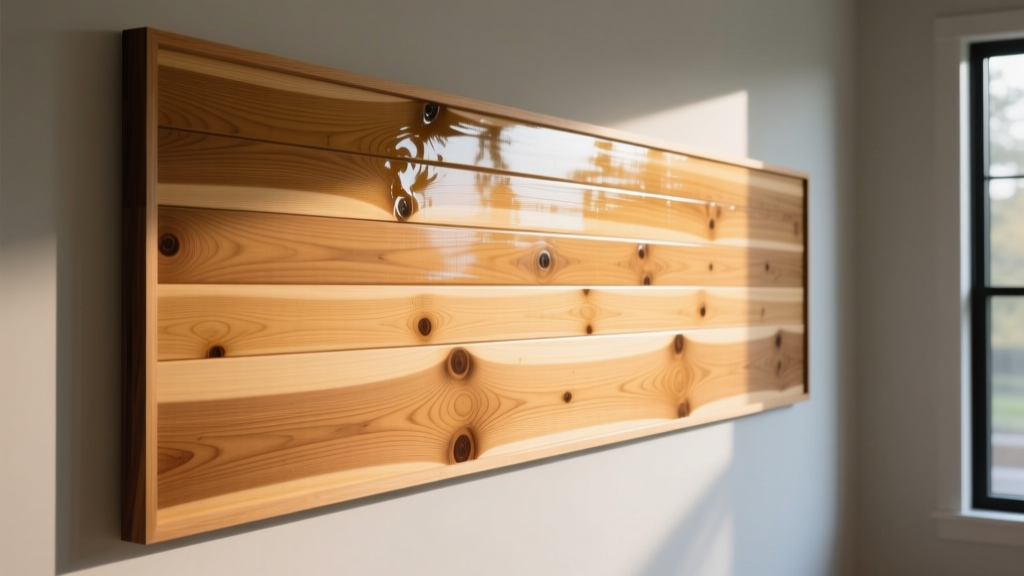
Pre-Installation Preservation Flow: The Contractor's Checklist
Even the most heavily treated wood will fail if the installation sequence ignores basic building science. Follow this chronological flow to ensure preservation integrity:
- Acclimatization (Days 1-7): Deliver the paneling to the site only after the HVAC system is operational and drywall is finished. Stack the wood with 'stickers' (1/2-inch spacers) between layers. Allow it to reach Equilibrium Moisture Content (EMC) with the room (typically 6-9% for climate-controlled interiors).
- End-Grain Sealing (Day 8): The end-grain of wood absorbs moisture up to 50 times faster than the face grain. Apply two coats of a wax-based end sealer (like AnchorSeal) or CPES to all cut ends, especially for tongue-and-groove exterior applications.
- Back-Priming (Day 9): Before installation, apply a coat of oil-based primer or penetrating sealer to the back face and edges of the panels. This prevents the wood from absorbing ambient moisture from inside the wall cavity, which is a primary cause of panel cupping.
- Vapor Management (Day 10): For exterior walls, ensure a continuous vapor retarder is installed on the warm-in-winter side of the insulation. Never trap wood paneling between two vapor-impermeable layers (e.g., rigid foam and vinyl wallpaper).
Troubleshooting Common Preservation Failures
When preservation protocols fail, the symptoms usually manifest within the first 12 months. Use this diagnostic guide to identify and rectify issues.
- Symptom: White, powdery crystalline residue on the surface of interior pine shiplap.
Cause: Borate efflorescence. The wood was treated with a heavy concentration of water-soluble borates, and high indoor humidity caused the salts to migrate to the surface and crystallize.
Fix: Wipe the surface with a damp cloth to dissolve the crystals. Lower the indoor relative humidity to 40-50%. Apply a vapor-retarding clear topcoat (like a water-based polyurethane) to lock the remaining salts inside the wood. - Symptom: Severe black halos around fastener heads on white oak paneling.
Cause: Galvanic corrosion. Electro-galvanized or standard steel nails reacted with the high tannin content in the oak, catalyzed by trace moisture.
Fix: Remove the affected nails. Sand the black stains using a 5% oxalic acid solution to bleach the tannin-iron complex. Re-fasten using 304 or 316-grade stainless steel ring-shank nails. - Symptom: Horizontal cracking and joint separation in exterior cedar tongue-and-groove.
Cause: The wood was installed at a high moisture content (above 14%) during a rainy season, and subsequent summer drying caused massive tangential shrinkage.
Fix: Unfortunately, this requires partial replacement. For future installations, mandate that exterior cedar be kiln-dried after treatment (KDAT) to a moisture content of 12-15% before delivery to the site.
Maintenance Schedules by Climate Zone
Preservation is not a one-time event. The maintenance interval for treated wood paneling varies drastically based on the local macroclimate and UV exposure.
- Arid/Southwest Climates (High UV, Low Humidity): UV degradation is the primary enemy. Reapply UV-inhibiting penetrating oils every 18 to 24 months. Inspect for surface checking (micro-cracks) annually.
- Coastal/Marine Environments (High Salt, High Humidity): Salt is highly hygroscopic and will draw moisture into the wood, accelerating rot. Wash exterior paneling with fresh water bi-annually. Reapply water-repellent preservatives (WRP) every 24 to 36 months.
- Humid Subtropical (Southeast US): Biological growth is the main threat. Inspect for mildew and early signs of fungal decay every spring. Ensure borate treatments remain intact and reapply fungicidal topcoats every 3 to 5 years.
By matching the specific biological and physical threats of your environment to the exact cellular properties of the wood species, you can ensure that your wall paneling remains structurally sound and aesthetically pristine for decades.
Written by
Marcus ChenMarcus Chen is a licensed structural engineer (PE) and building materials analyst with over 12 years of experience across residential, commercial, and industrial construction. He holds a Master of Science in Civil Engineering from UC Berkeley and spent six years at Thornton Tomasetti before transitioning to independent consulting and technical writing. Marcus specializes in material selection for seismic-prone regions, concrete reinforcement strategies, and lifecycle cost analysis. His work has been cited by the American Concrete Institute (ACI) and the Structural Engineers Association of California (SEAOC). When he is not on a job site or at his desk, you will find him hiking the Sierra Nevada or restoring a 1920s craftsman bungalow in Oakland, CA.
More from Marcus Chen
View all
Construction Cost
How Much Did the Eiffel Tower Cost to Build?
How much did the Eiffel Tower cost to build in 1889? We adjust for inflation and compare its budget to modern skyscraper construction.
Aug 4, 2026

Fire Resistance
What Is a Fire Resistant Material? Testing & Certification Guide
Discover what is a fire resistant material through ASTM and UL testing. Learn how fire ratings, certifications, and assemblies work in construction.
Aug 4, 2026

Construction Cost
How Much Did the Burj Khalifa Cost to Build?
How much did the Burj Khalifa cost to build? We break down the $1.5B project and extract 5 money-saving strategies for your next build.
Jul 30, 2026