2026 Deck Materials List: Complete Cost Breakdown Guide
Plan your build with our comprehensive 2026 deck materials list. Get exact cost breakdowns for framing, composite boards, fasteners, and railings.
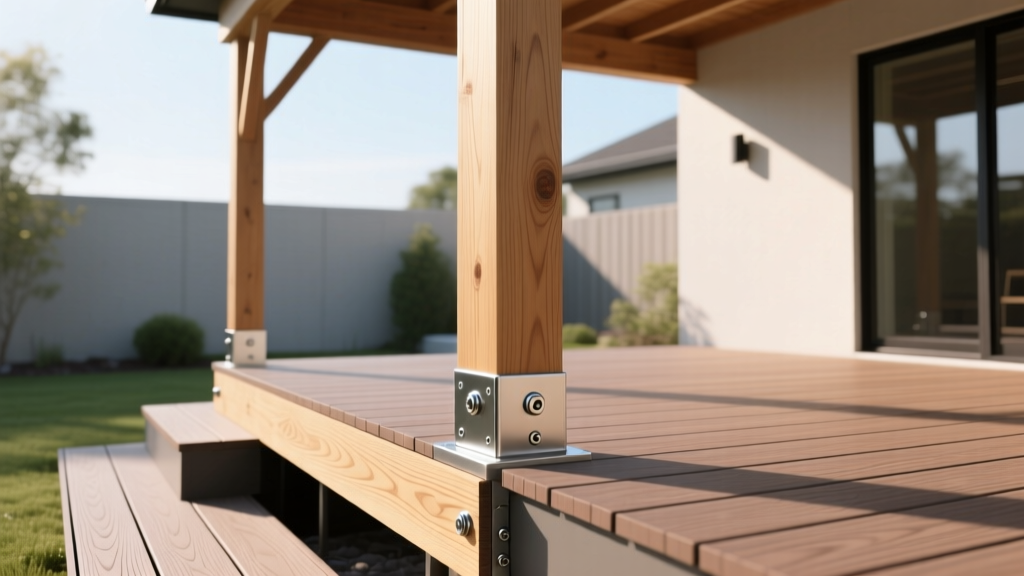
The True Economics of Deck Construction in 2026
Building a deck requires more than selecting a surface color; it demands a precise, engineered inventory of structural and aesthetic components. A comprehensive deck materials list is the primary defense against the 18% to 22% budget overruns that plague poorly planned outdoor projects. In 2026, material costs have stabilized compared to the volatile lumber markets of the early 2020s, but premium composite and PVC options now command a distinct price tier over traditional pressure-treated wood. This guide deconstructs the exact materials, specific model numbers, and current market pricing required to build a code-compliant, 400-square-foot elevated deck.
Phase 1: Substructure and Framing Materials List
The substructure dictates the lifespan of your deck. While surface boards get the visual credit, the framing bears the structural load and is most susceptible to moisture rot. For 2026, builders are increasingly splitting the difference by using pressure-treated (PT) lumber for posts and beams, while upgrading to galvanized steel or composite joists for the surface framing to prevent warping.
| Material Component | Specification / Grade | 2026 Est. Cost | Application Notes |
|---|---|---|---|
| Posts (6x6) | #2 PT Southern Yellow Pine (UC4B Ground Contact) | $38 - $48 per post (10ft) | Must be rated UC4B for direct soil or concrete embedding. |
| Beams (2x10 or 2x12) | #2 PT SYP (UC4A Above Ground) | $16 - $22 per linear foot | Often built up from two 2x10s; requires structural bolts. |
| Joists (2x8) | #2 PT SYP or Fortress Evolution Steel | $9.50 / LF (Wood) | $14.00 / LF (Steel) | Steel joists eliminate crown issues and twisting over time. |
| Blocking / Bridging | 2x8 PT SYP Off-cuts | $4.50 per linear foot | Required every 8 feet to prevent joist rollover. |
Phase 2: Surface Decking and Picture Framing
When calculating your deck materials list for the surface, you must account for the installation pattern. A standard parallel layout requires a 10% waste factor. However, if you are executing a diagonal (45-degree) or chevron pattern, or if you plan to "picture frame" the perimeter with square-edge boards to hide the end grains, your waste factor jumps to 15% - 20% due to miter cuts.
2026 Decking Material Cost Matrix
| Material Type | Brand / Model Example | Cost per Sq. Ft. (Material Only) | Lifespan & Warranty |
|---|---|---|---|
| Premium Composite | Trex Transcend Lineage | $11.50 - $13.50 | 50-Year Fade & Stain |
| Advanced PVC | TimberTech Advanced PVC Landmark | $14.00 - $16.50 | Lifetime Limited, 50-Year Fade |
| Mid-Tier Composite | Fiberon Promenade | $8.50 - $10.00 | 50-Year Limited |
| Pressure-Treated Wood | #1 Premium KDAT (Kiln-Dried After Treatment) | $3.50 - $5.00 | 10-15 Years (Requires annual sealing) |
For a comprehensive look at PVC and composite profiles, review the TimberTech decking product catalog to compare grooved versus square-edge profiles. Grooved boards are mandatory for hidden fastener systems, while square-edge boards are required for the perimeter picture frame and stair treads.

Phase 3: Structural Hardware and Fasteners
Hardware is the most frequently underestimated line item on any deck materials list. Modern pressure-treated lumber is infused with copper-based preservatives (like ACQ or CA-C) that are highly corrosive to standard zinc-plated nails and screws. You must specify Hot-Dipped Galvanized (HDG) or Stainless Steel hardware.
- Joist Hangers: Simpson Strong-Tie LUS26 (for 2x6 joists) or LUS28 (for 2x8 joists). Cost: ~$1.85 per hanger. Review the full Simpson Strong-Tie deck connector lineup for exact load ratings.
- Deck Tension Ties: Simpson DTBZ2. Required by the International Residential Code (IRC) to tie the deck ledger board to the home's floor framing. Cost: ~$42 per tie (minimum 2 required per ledger).
- Structural Screws: GRK RSS 3/8" x 4" structural screws for beam-to-post connections. Cost: ~$45 per box of 25.
- Hidden Fasteners: Trex Hideaway Universal Hidden Fasteners (for grooved composite). Cost: ~$75 per 50 sq. ft. bucket.
- Top-Fix Composite Screws: Simpson Strong-Tie Composite-Deck screws (Stainless Steel Type 305 for coastal areas, Type 304 for inland) for securing square-edge picture framing. Cost: ~$65 per box of 350.
Phase 4: Footings, Railings, and Stairs
Footings transfer the dead and live loads of the deck into stable soil. In 2026, pre-cast concrete footings and helical piles are gaining traction over traditional poured Sonotubes due to faster installation times and reduced weather dependency.
Footing Options
- 12" Sonotubes & Quikrete: Traditional poured concrete. Cost: ~$18 for the tube + $35 in concrete per footing. Requires curing time.
- Bigfoot Systems Pre-Cast Bases: Set directly on undisturbed soil below the frost line. Cost: ~$65 per base. Immediate load-bearing.
- Helical Piles (e.g., Diamond Pier): Driven into the ground with hydraulic machinery. Cost: ~$140 - $180 per pile. Ideal for tight access areas and immediate framing.
Railing Systems
Railing costs are calculated per linear foot (LF). For a 400 sq. ft. deck with 40 LF of railing exposure:
- Composite Railing (e.g., Trex Signature): $65 - $85 per LF. Heavy, rigid, and matches the decking.
- Aluminum Railing (e.g., Fortress Fe26): $55 - $75 per LF. Sleek profile, maximizes view, requires less maintenance than composite.
- PT Wood Railing with Aluminum Balusters: $35 - $45 per LF. Budget-friendly but requires staining the wood top and bottom rails.
The Master Deck Materials List Checklist
Use this categorized checklist when generating your final purchase order for the lumberyard. Ensure your supplier quotes the specific grades and corrosion-resistance ratings listed below.
1. Concrete & Footings
- [ ] Sonotubes (12" diameter) or Helical Piles (Qty based on beam span)
- [ ] Rebar (1/2" x 48") for concrete reinforcement
- [ ] Post bases (e.g., Simpson ABA44Z - adjustable, HDG)
2. Framing Lumber
- [ ] 6x6 Posts (UC4B Ground Contact)
- [ ] 2x10 or 2x12 Beams (UC4A Above Ground)
- [ ] 2x8 Joists (UC4A Above Ground, 16" on-center spacing)
- [ ] 2x8 Blocking material
- [ ] 2x10 Ledger Board (UC4A, for house attachment)
3. Hardware & Connectors
- [ ] Joist Hangers (LUS series, HDG or ZMAX)
- [ ] Joist Hanger Nails (1.5" HDG - never use standard galvanized or screws in hanger holes)
- [ ] Ledger Lags (1/2" x 3" HDG)
- [ ] Lateral Load Tension Ties (DTBZ2)
- [ ] Carriage Bolts, Washers, and Nuts (1/2" HDG for beam splices)
4. Decking & Fasteners
- [ ] Grooved Decking Boards (Main field, +10% waste factor)
- [ ] Square-Edge Decking Boards (Picture frame & stairs, +15% waste factor)
- [ ] Hidden Fastener Clips & Starter Clips
- [ ] Composite Top-Fix Screws (Stainless Steel, color-matched)
- [ ] End-grain sealer / butyl tape for joist protection
5. Railings & Stairs
- [ ] Railing Posts (4x4 PT or composite sleeves)
- [ ] Railing Panels / Balusters (Aluminum or Composite)
- [ ] Post-to-frame structural brackets (e.g., Simpson DPT2)
- [ ] Stringer material (2x12 PT) or pre-fabricated steel stringers
By itemizing your deck materials list to this level of granularity, you eliminate the need for mid-project hardware store runs, ensure your structural connections meet local IRC codes, and lock in your 2026 budget with mathematical precision.
Written by
Sarah WhitfieldSarah Whitfield is a chartered quantity surveyor (MRICS) and construction cost analyst with 15 years of experience in material pricing, procurement strategy, and project budgeting. She earned her degree in Construction Management from the University of Reading (UK) and has worked on projects ranging from $2M custom homes to $180M mixed-use developments across North America and Europe. Sarah currently leads cost estimating for BuildMat Insight, maintaining a proprietary database of 4,000+ material price points updated quarterly. She is a frequent contributor to RSMeans cost data panels and has presented at the International Cost Engineering Council (ICEC) congress. Based in Denver, CO, Sarah is an avid trail runner and volunteer mentor for Women in Construction.
More from Sarah Whitfield
View all
Wood & Lumber
What Are the Different Types of Wood? A Builder's Guide
Compare structural softwoods, finish hardwoods, and engineered lumber. Analyze Janka ratings, MOE values, and 2026 pricing for construction.
Aug 4, 2026

Walls & Panels
Steel Framing vs Wood Framing: Corrosion and Moisture Defense
Compare steel framing vs wood framing for moisture resistance. Learn about galvanized coatings, condensation risks, and corrosion protection strategies.
Jul 21, 2026

Stone & Masonry
How to Cut Stone Veneer: Wet Saw vs Grinder Comparison
Compare the best tools for cutting stone veneer. We review wet saws, angle grinders, and chop saws to help you achieve clean, chip-free cuts.
Jul 21, 2026