Trex Decking Material Colors: The Complete 2026 Selection Guide
Explore the complete guide to Trex decking material colors for 2026. Compare Transcend, Enhance, and Select palettes, heat tech, and design strategies.

The Evolution of Trex Decking Material Colors
When composite decking first entered the market, homeowners were limited to a handful of flat, monochromatic grays and browns that quickly faded into chalky pastels. Today, the landscape of trex decking material colors has undergone a radical transformation. Driven by advanced multi-tonal manufacturing processes and proprietary polymer capping, modern Trex boards replicate the complex grain variations, cathedral figuring, and rich hues of exotic hardwoods—without the annual maintenance or splintering. For 2026, selecting the right color is no longer just about matching your home's siding; it is a strategic decision involving solar heat retention, architectural contrast, and long-term UV performance.
This comprehensive guide dissects the current Trex color ecosystem across all product tiers. We will analyze the specific pigments available, evaluate their thermal properties, and provide a contractor-grade framework for integrating these colors into high-end outdoor living spaces.
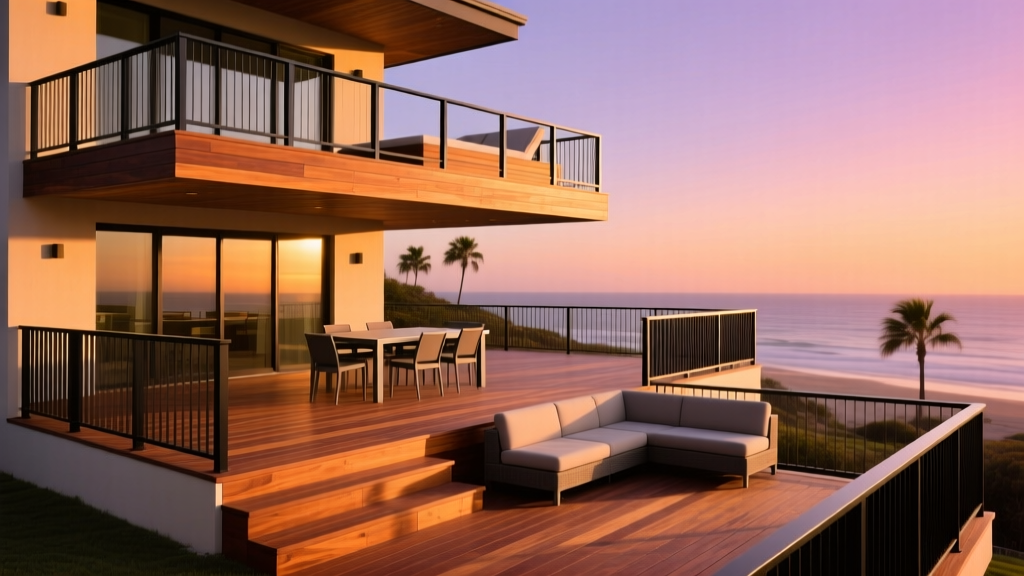
Decoding the 2026 Trex Color Palette by Product Line
Trex segments its decking into three primary tiers: Transcend, Enhance, and Select. Each tier features a distinct color palette dictated by the complexity of the capping technology and the intended market segment. Understanding these distinctions is critical for accurate budgeting and design alignment.
Trex Transcend Lineage (Premium & Cool-Touch)
The Transcend Lineage series represents the pinnacle of Trex's color and thermal engineering. Featuring a specialized heat-mitigating top layer, these boards reflect UV rays to remain significantly cooler underfoot than traditional dark composites. The color palette is curated for high-end, contemporary architecture:
- Biscayne: A warm, honey-toned blonde with subtle amber grain streaks. Ideal for coastal properties and homes with dark exterior siding.
- Jasper: A deep, rich espresso brown with cool undertones. Mimics the look of aged Ipe or Mahogany.
- Carmel: A vibrant, reddish-brown hue that captures the essence of natural Redwood or Jarrah.
- Rainier: A sophisticated, cool gray-brown that bridges the gap between natural wood and modern concrete aesthetics.
Trex Transcend (Classic Premium)
The standard Transcend line utilizes a thick, high-performance polymer shell that provides exceptional scratch and stain resistance. The colors here lean toward universally appealing, multi-dimensional wood tones:
- Island Mist: A highly popular silver-gray with subtle brown undertones, perfect for modern farmhouse or industrial designs.
- Spiced Rum: A complex, multi-tonal brown with deep umber and golden highlights.
- Tiki Torch: A warm, inviting teak color that offers high contrast against white or cream-colored brick.
- Lava Rock: A striking, deep reddish-brown that simulates the rich oxidation of aged cedar.
Trex Enhance (Naturals & Basics)
Enhance boards feature a scalloped bottom profile to reduce weight and material costs, making them a favorite for mid-tier residential builds. The Naturals sub-line offers premium-looking multi-tonal colors like Toasted Sand (a warm, light oak), Rocky Harbor (a classic slate-brown), and Coastal Bluff (a weathered, driftwood gray). The Basics sub-line provides solid, uniform colors like Beach Dune and Saddle for budget-conscious projects.
Trex Select (Essentials)
Select is the entry-level composite, featuring a thinner profile and a more streamlined color offering. Colors like Woodland Brown, Pebble Grey, and Madeira provide the core benefits of composite durability with a slightly less nuanced grain pattern than the Transcend lines.
⚠️ Thermal Dynamics Warning: Dark vs. Light Colors
While dark colors like Jasper and Lava Rock offer stunning visual depth, they inherently absorb more solar radiation. In unshaded, south-facing applications in southern climates, standard dark composite boards can reach surface temperatures exceeding 140°F (60°C) in direct summer sunlight. If your project lacks overhead pergola coverage and is located in a high-UV zone, specify Trex Transcend Lineage colors. According to Trex's official thermal testing data, Lineage boards can remain up to 40% cooler than standard dark composite boards due to their proprietary reflective pigment technology.
Strategic Color Selection: An Architectural Decision Matrix
Choosing from the available trex decking material colors requires evaluating the home's existing exterior envelope. Use the matrix below to determine the optimal Trex color family based on the primary siding or masonry material.
| Home Exterior Material | Recommended Trex Colors | Design Rationale |
|---|---|---|
| White / Cream Vinyl Siding | Spiced Rum, Lava Rock, Carmel | High contrast grounds the structure and prevents the deck from looking washed out. |
| Dark Gray / Charcoal Siding | Biscayne, Toasted Sand, Island Mist | Lighter decking creates a striking, modern visual break and prevents the space from feeling cavernous. |
| Red / Traditional Brick | Tiki Torch, Rocky Harbor, Rainier | Warm teaks or cool slate-grays complement the terracotta undertones of brick without clashing. |
| Natural Cedar / Wood Cladding | Pebble Grey, Coastal Bluff, Jasper | Contrasting cool tones or ultra-dark espresso prevents the wood textures from blending into a monotonous blur. |
The Economics of Color: 2026 Pricing and Availability
When budgeting a deck build, the color you select directly impacts the material cost, primarily because color complexity is tied to the product tier. Based on 2026 national average lumber and composite pricing, here is what you can expect to pay for the decking boards alone (excluding framing, fasteners, and labor):
- Transcend Lineage & Classic Transcend: $9.50 to $11.50 per linear foot. (Premium multi-tonal capping and cool-touch tech command the highest price).
- Enhance Naturals: $6.50 to $7.50 per linear foot. (Excellent mid-tier value with high-end color variation).
- Enhance Basics: $5.50 to $6.25 per linear foot. (Solid colors, budget-friendly).
- Select: $5.00 to $5.80 per linear foot. (Entry-level composite pricing).
Note: Specialty colors or limited-run regional palettes may carry a 5-10% premium and require longer lead times from local distributors.
Pro Installation Tips for Multi-Color Deck Designs
High-end outdoor living spaces rarely rely on a single color. Mixing trex decking material colors can define zones, highlight architectural features, and elevate the overall design. However, composite materials require specific installation protocols when integrating multiple hues.
1. The Picture Frame Perimeter Technique
Using a contrasting color for the deck's perimeter (picture framing) hides the end-grain of the field boards and creates a custom, finished look. Pro Tip: When picture framing, always use a miter saw with a fine-tooth composite blade (minimum 80 teeth) to ensure clean, chip-free 45-degree cuts. Because Trex boards expand and contract with temperature fluctuations, maintain a strict 1/8-inch to 1/4-inch gap at all miter joints, depending on the installation temperature.
2. Fascia and Railing Coordination
Trex offers matching fascia boards and composite railing kits in their primary color lines. However, a common design mistake is matching the fascia exactly to the field board. Instead, select a fascia color that matches the home's trim or siding. For example, if using Spiced Rum for the deck surface, use White or Island Mist fascia and railings to create a crisp, delineated boundary that makes the deck color pop.
3. Fastener Concealment and Color Matching
For top-down face screwing, standard wood screws will rust and stain the composite. You must use specialized composite screws like the Trex ColorMatch system, which includes a proprietary wax fill stick matched exactly to the specific Trex color code. Alternatively, utilize the Trex Hideaway Hidden Fastener System, which secures the boards through the side grooves, leaving the surface completely unblemished and allowing the multi-tonal grain patterns to flow uninterrupted.
"The longevity of composite color is backed by rigorous engineering. Trex provides a 25-year limited residential fade and stain warranty across its Transcend and Enhance lines. This warranty specifically covers the material against fading to a lighter shade or staining from common household substances, provided the deck is installed and maintained according to their specifications."
— Referenced from the Trex Official Warranty Guidelines.
Frequently Asked Questions
Can I paint or stain my Trex deck if I get tired of the color?
No. Trex strongly advises against painting or staining their composite decking. The polymer cap is designed to resist moisture and UV penetration, meaning paint and stain will not properly adhere and will quickly peel or flake. Furthermore, applying a topical coating will immediately void the 25-year fade and stain warranty. If you desire a different color in the future, the only viable solution is to replace the deck boards.
Do lighter Trex colors show dirt and pollen more easily?
Counterintuitively, extremely light colors (like Island Mist or Biscayne) can show dark debris, such as wet leaves or mud splatter, more readily than mid-tone browns like Spiced Rum. However, because Trex boards are non-porous, cleaning is as simple as using a mild soap and a soft-bristle brush. Avoid high-pressure power washing above 3,100 PSI, as this can etch the polymer shell and permanently alter the color sheen.
Will the colors fade over the first few months?
Early generations of composite decking experienced significant 'weathering' or lightening during the first six months of UV exposure. Modern Trex boards (Transcend, Enhance, and Select) are manufactured with advanced UV-inhibiting pigments encapsulated within the polymer shell. While a microscopic level of initial mellowing can occur as the surface oxidizes slightly, the dramatic color shifts seen in legacy composites have been engineered out of the current product lines.
Final Considerations for Your Project
Selecting the right trex decking material colors is a balance of aesthetic preference, thermal comfort, and budget allocation. By leveraging the cool-touch technology of the Lineage series for sun-drenched areas, utilizing contrasting picture frames for visual depth, and coordinating fascia with your home's trim, you can create an outdoor space that feels custom-designed. Always order physical sample boards rather than relying on digital screens, as monitor calibration can drastically alter the perception of complex, multi-tonal composite grains.
Written by
David NakamuraDavid Nakamura is a licensed architect (AIA) and construction technology writer focused on sustainable building methods, mass timber engineering, and high-performance building envelopes. He holds a Master of Architecture from the University of Washington and is a certified Passive House Consultant (CPHC). David spent eight years at the Seattle firm Mithun, where he led the design of three LEED Platinum projects, before founding his own practice specializing in net-zero residential design. He serves on the editorial advisory board of GreenBuilder Magazine and has authored peer-reviewed papers on cross-laminated timber (CLT) connections for the Journal of Structural Engineering. In his spare time, David teaches woodworking at Pratt Fine Arts Center and kayaks the Puget Sound.
More from David Nakamura
View all
Construction Cost
Labor Cost to Build a Deck Per Sq Ft: 2026 Installation Guide
Discover the exact labor cost to build a deck per sq ft in 2026. This installation guide breaks down contractor rates, complexity factors, and hidden fees.
Aug 4, 2026

Construction Cost
How Much Does It Cost to Build a 3 Bedroom House? Financing Guide
Learn exactly how much it costs to build a 3 bedroom house and explore 2026 financing options, construction loan types, and budget frameworks for your build.
Aug 4, 2026

Construction Cost
Cost to Build a Tennis Court: 2026 Guide
How much does it cost to build a tennis court in 2026? Breakdowns for asphalt, concrete, and synthetic surfaces plus fencing and lighting.
Jul 30, 2026