Epoxy Floor Options: A Technical Selection Framework
Master your epoxy floor options with this technical selection framework. Compare chemistries, mil thickness, traffic loads, and costs for flawless installs.

The Core Problem: Why Epoxy Floors Fail
When evaluating epoxy floor options, the most critical insight for contractors and facility managers is that 80% of coating failures are not due to defective materials, but rather a mismatch between the selected chemistry and the substrate environment. A high-performance 100% solid epoxy will delaminate just as easily as a cheap water-based kit if applied over concrete with high moisture vapor transmission or an inadequate surface profile. This selection framework strips away marketing terminology and focuses on the technical specifications required to match the right epoxy system to your specific structural and operational demands.
Phase 1: Substrate Profiling and Moisture Limits
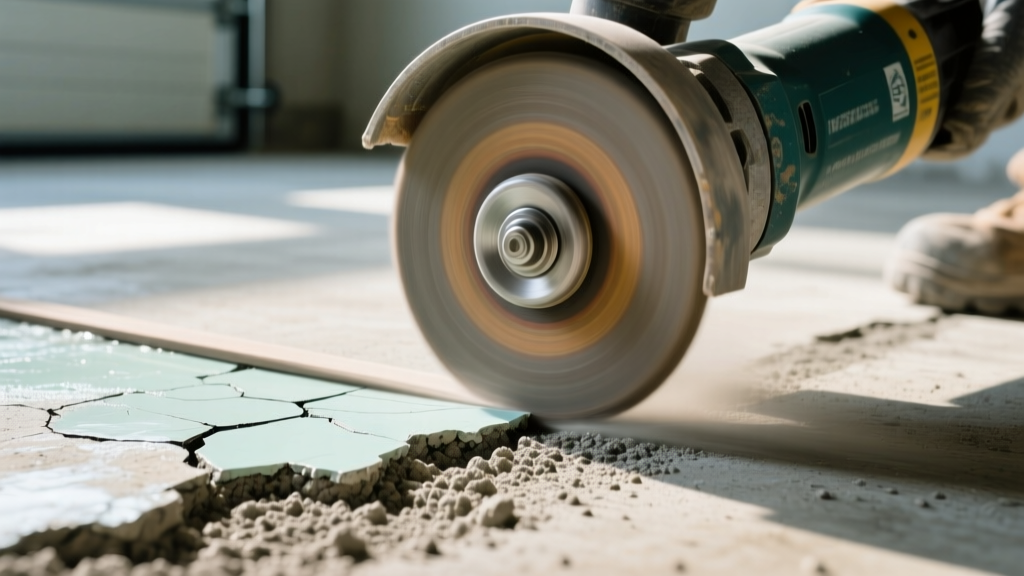
Before selecting an epoxy chemistry, you must quantify the concrete substrate. The International Concrete Repair Institute (ICRI) defines Concrete Surface Profiles (CSP) from 1 to 10. Standard thin-mil epoxies require a CSP 2 to 3, typically achieved via diamond grinding. Self-leveling epoxies and heavy mortar systems require a CSP 4 to 5, necessitating aggressive shot blasting. When grinding, compliance with OSHA's Respirable Crystalline Silica standard is mandatory, requiring HEPA-filtered dust extraction shrouds on all grinders.
Do not proceed with standard epoxy selection if your in-situ relative humidity (RH) testing per ASTM F2170 exceeds 75%, or if calcium chloride testing (ASTM F1869) shows Moisture Vapor Transmission (MVT) rates above 3 lbs per 1,000 sq. ft. per 24 hours. If limits are exceeded, you must pivot to a moisture-mitigating epoxy primer (such as Sherwin-Williams Macropoxy 646-0300) or a vapor barrier system before applying your chosen topcoat.
Phase 2: The Epoxy Chemistry Matrix
Not all epoxies are created equal. The "epoxy floor options" available on the market are generally divided into four distinct chemical categories. Understanding the solids content and carrier mechanism is vital for predicting longevity and VOC compliance. For indoor applications, always cross-reference product data sheets with EPA guidelines on Volatile Organic Compounds (VOCs) to ensure indoor air quality standards are met.
| Chemistry Type | Solids Content | Mil Thickness / Coat | Best Application |
|---|---|---|---|
| Water-Based | 40% - 60% | 3 - 5 mils | Light-duty residential, low-VOC requirements |
| Solvent-Based | 50% - 70% | 4 - 6 mils | Penetrating sealers, damp environments (high VOC) |
| 100% Solid Epoxy | 100% | 10 - 20 mils | Commercial floors, heavy traffic, chemical resistance |
| Polyaspartic (Topcoat) | 80% - 100% | 6 - 12 mils | UV-stable topcoats, rapid return-to-service (1-2 hours) |
Phase 3: Matching Mil Thickness to Traffic Loads
Selecting the correct build thickness (measured in mils) prevents premature wear-through and structural cracking. Use this decision matrix to specify your system:
- Light Traffic (Residential Garages, Basement Shops): 10 to 15 mils. A single coat of 100% solid epoxy (like Tnemec Series 247) followed by a polyaspartic topcoat provides sufficient protection against passenger vehicles and foot traffic.
- Medium Traffic (Commercial Showrooms, Auto Dealerships): 20 to 30 mils. Requires an epoxy primer, a self-leveling broadcast coat (using an 18-inch squeegee and back-rolling), and an aliphatic urethane or polyaspartic topcoat for UV and scuff resistance.
- Heavy Traffic (Industrial Warehouses, Forklift Aisles): 40 to 60+ mils. Standard self-leveling epoxies will crush under steel forklift wheels. You must specify an epoxy mortar system, trowel-applied at 3/16-inch thickness, incorporating graded silica quartz aggregate for extreme impact resistance.
Phase 4: Navigating Aesthetic and Functional Additives
Additives alter both the physical performance and the slip resistance of the floor. When evaluating epoxy floor options for safety-critical areas, the choice of aggregate is paramount.
Anti-Slip Aggregates
Do not rely on standard silica sand for wet environments; it polishes smooth over time. Instead, specify Aluminum Oxide. For commercial kitchens or pool decks, use a 36-grit aluminum oxide broadcast into the final topcoat. For residential garages or showrooms where a smoother finish is desired but slip resistance is still required, use a 60-grit or 80-grit aluminum oxide.
Decorative Broadcasts
Vinyl Flakes: Broadcast to "rejection" (100% coverage) in commercial settings to hide substrate imperfections and provide a highly durable, multi-layered wear surface.
Quartz Sand: Troweled or broadcast in double-layer systems. Provides superior chemical resistance and a highly textured, sanitary surface ideal for food processing plants.
Metallic Pigments: Suspended in a 100% solid clear epoxy. Purely aesthetic. Requires a mandatory clear polyaspartic or urethane topcoat, as metallic epoxies scratch easily and lack UV stability.
Real-World Failure Modes and Edge Cases
When hot car tires sit on a cured epoxy floor, the heat softens the polymer. If the epoxy is of inferior quality (water-based or low-solids), the plasticizers in the tire migrate into the coating, permanently bonding the tire to the floor and ripping the epoxy up when the car moves. The Fix: Always use a 100% solid epoxy or a polyaspartic topcoat in automotive environments. Polyaspartics have a higher glass transition temperature (Tg) and resist plasticizer migration.
If you apply a standard amine-cured epoxy in high humidity and low temperatures, a waxy, oily film called "amine blush" will form on the surface. This prevents subsequent coats from adhering. The Fix: If blush occurs, it must be scrubbed off with warm water and a Scotch-Brite pad, then dried completely before recoating. Alternatively, specify "low-amine-blush" or "cycloaliphatic" hardeners for installations in unclimate-controlled spaces during winter months.
2026 Cost Framework: Material and Labor Breakdown
Pricing for epoxy floor options varies wildly based on substrate prep requirements and system complexity. The following ranges reflect current professional installation costs, including diamond grinding, crack repair, materials, and labor.
| System Type | Material + Labor (per sq. ft.) | Expected Lifespan |
|---|---|---|
| DIY Water-Based / Solvent Kit | $1.50 - $3.00 | 1 - 3 Years |
| Pro 100% Solid + Flake Broadcast | $5.50 - $8.50 | 10 - 15 Years |
| Metallic Epoxy + Urethane Topcoat | $9.00 - $14.00 | 7 - 12 Years |
| Heavy Industrial Epoxy Mortar | $12.00 - $18.00+ | 20+ Years |
By systematically profiling your substrate, matching the chemistry to the environmental load, and specifying the correct mil thickness and additives, you transition from guessing to engineering a floor system that will perform predictably for decades.
Written by
David NakamuraDavid Nakamura is a licensed architect (AIA) and construction technology writer focused on sustainable building methods, mass timber engineering, and high-performance building envelopes. He holds a Master of Architecture from the University of Washington and is a certified Passive House Consultant (CPHC). David spent eight years at the Seattle firm Mithun, where he led the design of three LEED Platinum projects, before founding his own practice specializing in net-zero residential design. He serves on the editorial advisory board of GreenBuilder Magazine and has authored peer-reviewed papers on cross-laminated timber (CLT) connections for the Journal of Structural Engineering. In his spare time, David teaches woodworking at Pratt Fine Arts Center and kayaks the Puget Sound.
More from David Nakamura
View all
Construction Cost
Labor Cost to Build a Deck Per Sq Ft: 2026 Installation Guide
Discover the exact labor cost to build a deck per sq ft in 2026. This installation guide breaks down contractor rates, complexity factors, and hidden fees.
Aug 4, 2026

Construction Cost
How Much Does It Cost to Build a 3 Bedroom House? Financing Guide
Learn exactly how much it costs to build a 3 bedroom house and explore 2026 financing options, construction loan types, and budget frameworks for your build.
Aug 4, 2026

Construction Cost
Cost to Build a Tennis Court: 2026 Guide
How much does it cost to build a tennis court in 2026? Breakdowns for asphalt, concrete, and synthetic surfaces plus fencing and lighting.
Jul 30, 2026