Alternative Roofing Materials: 2026 Selection Framework
Evaluate alternative roofing materials using our 2026 selection framework. Compare synthetic, solar, metal, and green roofs by cost, climate, and load.

The Core Decision Matrix for Non-Traditional Roofs
While 3-tab and architectural asphalt shingles still cover the majority of residential structures, alternative roofing materials have captured significant market share due to extreme weather resilience, energy generation, and aesthetic longevity. Selecting the right system requires moving beyond basic curb appeal. As of 2026, contractors and homeowners must evaluate non-traditional roofs through a strict four-pillar framework: structural load capacity, minimum pitch requirements, localized climate stressors, and lifecycle financial return.
- Load Tolerance: Can the existing truss system support the dead load without structural reinforcement?
- Pitch Compatibility: Does the roof slope meet the manufacturer’s minimum water-shedding requirements?
- Climate Resilience: Does the material hold the necessary UL or ASTM ratings for local wind, fire, or impact risks?
- Lifecycle ROI: Does the installed cost justify the lifespan and maintenance reduction over a 30-year horizon?
Structural Load and Pitch Prerequisites
Before evaluating aesthetics, you must verify the physical limitations of the roof deck. Alternative materials vary wildly in weight. A standard asphalt shingle roof exerts roughly 250 to 350 pounds per square (100 square feet). Upgrading to heavier alternatives without verifying truss integrity can lead to catastrophic deflection.
| Material Type | Weight per Square | Minimum Pitch | Reinforcement Needed? |
|---|---|---|---|
| Synthetic Slate (Polymer) | 250 - 350 lbs | 4:12 | Rarely |
| Stone-Coated Steel | 140 - 160 lbs | 3:12 (4:12 preferred) | No |
| Integrated Solar Shingles | 280 - 320 lbs | 4:12 | Rarely |
| Extensive Green (Living) Roof | 1,500 - 3,000 lbs | 1:12 to 2:12 | Always (Engineered) |
Evaluating the Top 4 Alternative Roofing Systems
1. Synthetic Slate and Shake (Polymer Composites)
Manufactured from engineered polymers, recycled rubber, and virgin resins, synthetic slate replicates the shadow lines of natural quarried slate without the massive structural burden. DaVinci Roofscapes Bellaforte and EcoStar Majestic Niagara remain the industry benchmarks in 2026. These products achieve a Class 4 impact resistance rating (UL 2218), meaning they can withstand 2-inch steel ball drops without fracturing—a critical metric for hail-prone regions.
- Installed Cost: $11.50 – $16.00 per sq. ft.
- Lifespan: 50+ years (Backed by limited lifetime warranties).
- Best Application: Historical reproductions, heavy hail zones, and homes where natural slate truss reinforcement is cost-prohibitive.
2. Integrated Solar Shingles (BIPV)
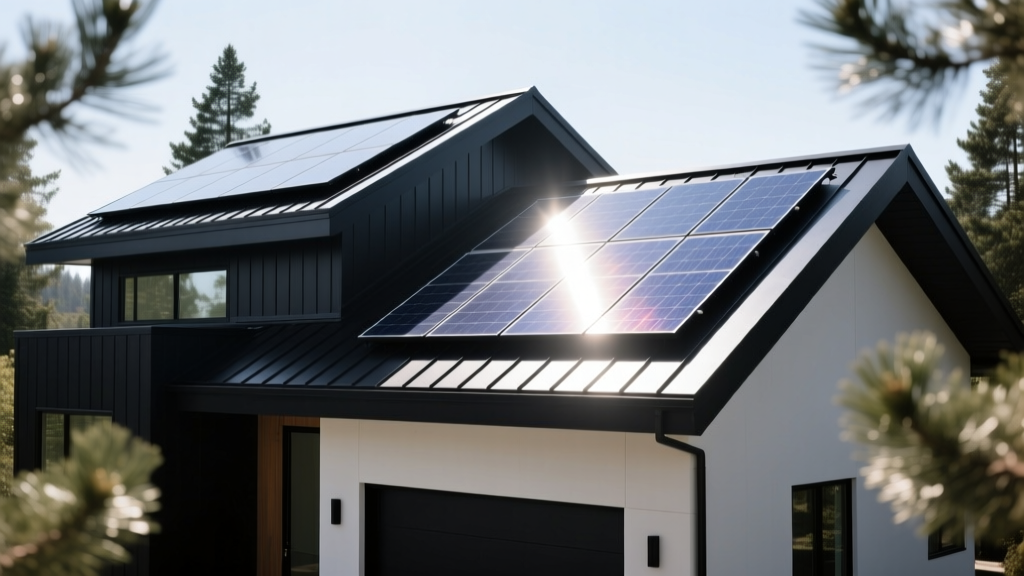
Building-Integrated Photovoltaics (BIPV) replace traditional roofing material with active energy-generating cells. Unlike rack-mounted solar panels, systems like the GAF Timberline Solar integrate directly with standard asphalt or synthetic shingles using a low-profile nailing flange. As of 2026, micro-inverter technology has vastly improved the efficiency of partially shaded roof planes, allowing these systems to generate 15 to 20 watts per square foot under optimal conditions.
- Installed Cost: $18.00 – $26.00 per sq. ft. (inclusive of inverters and electrical tie-in).
- Lifespan: 25-30 years (Power output warranty typically guarantees 80% production at year 25).
- Best Application: New construction or full tear-offs in regions with high utility rates and strict HOA bans on rack-mounted panels.
3. Stone-Coated Steel
Stone-coated metal marries the structural tensile strength of Galvalume steel with the aesthetic texture of ceramic-coated stone granules. DECRA Shake XD and Gerard Canyon Shake utilize an interlocking panel system that creates a continuous structural diaphragm. This interlocking mechanism allows these roofs to achieve UL 580 Class 120 wind uplift ratings, surviving hurricane-force winds that would strip standard shingles.
- Installed Cost: $12.00 – $18.50 per sq. ft.
- Lifespan: 40 to 70 years.
- Best Application: Coastal hurricane zones, high-wildfire risk areas, and complex rooflines requiring lightweight durability.
4. Extensive Green (Living) Roofs
Extensive green roofs utilize shallow growing mediums (2 to 6 inches) planted with drought-resistant sedums and succulents over a multi-layered waterproofing and root-barrier membrane. According to the Environmental Protection Agency (EPA), these systems significantly reduce the urban heat island effect and manage stormwater runoff by retaining up to 75% of rainfall during a 1-inch storm event. Systems like Sika Sarnafil Extensive require specialized structural engineering due to the saturated weight load.
- Installed Cost: $25.00 – $45.00 per sq. ft.
- Lifespan: 40+ years for the waterproofing membrane (vegetation requires ongoing maintenance).
- Best Application: Flat or low-slope commercial buildings, urban residential projects targeting LEED certification, and stormwater mitigation zones.
Climate-Specific Selection Rules
Choosing alternative roofing materials without considering the local macro-climate is a primary cause of premature system failure. Apply these regional decision rules:
Wildland-Urban Interface (WUI) Zones: If your property is in a designated WUI zone (common in California, Colorado, and parts of Texas), local building codes mandate a Class A fire rating per ASTM E108. Stone-coated steel and polymer synthetics inherently pass this test, whereas some wood-shake alternatives and un-treated green roofs will fail inspection.
- High-Heat / Sunbelt Climates: Prioritize Cool Roof Rating Council (CRRC) certified materials. The Department of Energy notes that highly reflective stone-coated metal or specialized light-colored synthetic membranes can reduce peak cooling demand by 10% to 15%. Avoid dark, unventilated BIPV solar roofs without a dedicated radiant barrier beneath the decking.
- Freeze-Thaw / Heavy Snow Regions: Avoid porous materials that can absorb moisture and spall during freeze cycles. Synthetic slate and metal excel here. Ensure an ice and water shield membrane is installed at least 36 inches past the interior exterior wall line to prevent ice dam water intrusion.
- Coastal / Salt-Spray Environments: Standard galvanized fasteners will corrode rapidly. Specify stone-coated steel or standing seam metal that utilizes marine-grade stainless steel fasteners (Type 316) and aluminum-zinc alloy coatings to resist salt-induced oxidation.
Financial and ROI Analysis
The initial capital expenditure for alternative roofing materials is undeniably higher than architectural asphalt. However, the 30-year lifecycle cost often favors alternatives when factoring in replacement cycles, insurance premium reductions, and energy savings.
| Material | Initial Cost (2,000 sq ft) | 30-Year Maintenance | Insurance Discount Potential |
|---|---|---|---|
| Architectural Asphalt (Baseline) | $9,000 - $13,000 | $2,500 + 1 Full Replacement | 0% - 5% |
| Synthetic Slate | $23,000 - $32,000 | $500 (Gutter cleaning/inspection) | 15% - 25% (Hail/Wind) |
| Stone-Coated Steel | $24,000 - $37,000 | $800 (Fastener check/coating) | 20% - 30% (Wind/Fire) |
| Integrated Solar Shingles | $36,000 - $52,000 | $1,200 (Inverter service) | 5% - 10% + Energy Offset |
Navigating HOA and Building Code Hurdles
Alternative materials frequently trigger friction with Homeowners Associations (HOAs) and local building departments. To streamline approvals, prepare a technical submittal package before signing a contract. This package must include the manufacturer’s UL fire classification certificate, the specific wind-uplift testing results (e.g., UL 580 or ASTM D3161), and the product’s ICC-ES (International Code Council Evaluation Service) report.
For HOAs resistant to metal or synthetic options due to aesthetic concerns, request physical sample boards rather than relying on digital brochures. High-end stone-coated steel and multi-width polymer slate possess deep shadow lines and variegated color blends that easily satisfy strict architectural review boards when viewed in person. Always verify local municipal codes regarding solar reflectance index (SRI) minimums, as cities like Los Angeles and Austin mandate cool-roof compliant materials for all new residential installations and major re-roofing projects.
Written by
Sarah WhitfieldSarah Whitfield is a chartered quantity surveyor (MRICS) and construction cost analyst with 15 years of experience in material pricing, procurement strategy, and project budgeting. She earned her degree in Construction Management from the University of Reading (UK) and has worked on projects ranging from $2M custom homes to $180M mixed-use developments across North America and Europe. Sarah currently leads cost estimating for BuildMat Insight, maintaining a proprietary database of 4,000+ material price points updated quarterly. She is a frequent contributor to RSMeans cost data panels and has presented at the International Cost Engineering Council (ICEC) congress. Based in Denver, CO, Sarah is an avid trail runner and volunteer mentor for Women in Construction.
More from Sarah Whitfield
View all
Wood & Lumber
What Are the Different Types of Wood? A Builder's Guide
Compare structural softwoods, finish hardwoods, and engineered lumber. Analyze Janka ratings, MOE values, and 2026 pricing for construction.
Aug 4, 2026

Walls & Panels
Steel Framing vs Wood Framing: Corrosion and Moisture Defense
Compare steel framing vs wood framing for moisture resistance. Learn about galvanized coatings, condensation risks, and corrosion protection strategies.
Jul 21, 2026

Stone & Masonry
How to Cut Stone Veneer: Wet Saw vs Grinder Comparison
Compare the best tools for cutting stone veneer. We review wet saws, angle grinders, and chop saws to help you achieve clean, chip-free cuts.
Jul 21, 2026