What Is Composition Roofing Material? Types & Cost Comparison
Discover what composition roofing material is. Compare 3-tab, architectural, and luxury asphalt shingles by cost, lifespan, and wind ratings.
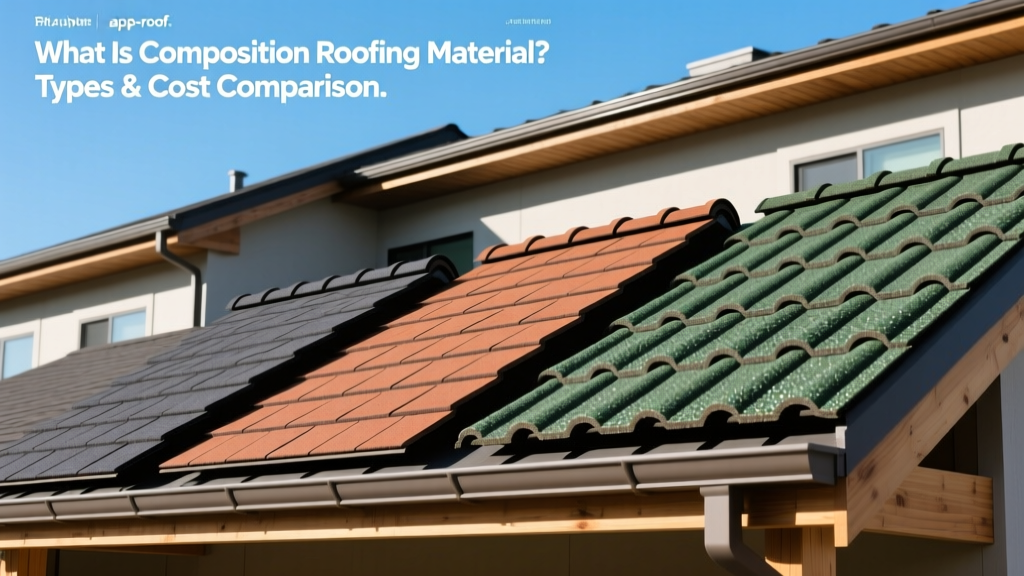
What Is Composition Roofing Material? The Core Anatomy
Composition roofing is the industry-standard term for asphalt shingle systems, which account for approximately 75% of all residential roof installations in North America. Unlike single-material roofs (such as clay tile or standing seam metal), composition shingles are engineered composites. Understanding what composition roofing material actually consists of requires examining its three distinct structural layers:
- Base Mat: A woven fiberglass mesh (manufactured to ASTM D3462 standards) that provides tensile strength and fire resistance. Older organic felt mats are now virtually obsolete.
- Asphalt Coating: Refined petroleum residue mixed with mineral fillers (like limestone or fly ash). Premium versions use SBS (styrene-butadiene-styrene) rubber modifiers to increase flexibility and impact resistance.
- Ceramic Granules: Crushed basalt or slag coated with ceramic pigments and fired at high temperatures. These block UV degradation, provide fire retardancy, and dictate the roof's color and solar reflectance.
When homeowners or contractors ask what composition roofing material is, they are usually trying to differentiate it from wood shakes, metal panels, or slate. However, within the composition category itself, there are three vastly different tiers of products that dictate performance, aesthetics, and total lifecycle cost.
The Three Tiers: 3-Tab vs. Architectural vs. Luxury
1. 3-Tab Shingles (The Budget Baseline)
3-tab shingles are single-layer products with uniform cutouts (tabs) along the lower edge, creating a flat, repeating geometric pattern. Models like the GAF Royal Sovereign represent this tier. They weigh roughly 240 pounds per square (100 square feet) and carry a standard 20- to 25-year limited warranty. Because they lack dimensional thickness, they are highly susceptible to wind uplift, typically maxing out at a 60-mph wind resistance rating unless heavily sealed with manual adhesive dabs during installation. Material costs average $90 to $110 per square, making them the default choice for budget-conscious flips, shed roofs, or low-cost rental properties.
2. Architectural Shingles (The Industry Standard)
Also known as dimensional or laminate shingles, architectural shingles feature two or more layers of asphalt bonded together to create a contoured, shadow-line profile that mimics wood shakes. The Owens Corning Duration and GAF Timberline HDZ are dominant market leaders. Weighing between 300 and 360 pounds per square, their added mass and multi-layer construction grant them wind warranties up to 130 mph when installed with a 6-nail pattern. Lifespans range from 30 to 50 years, and material costs sit between $130 and $170 per square. This tier represents the optimal intersection of durability, aesthetic appeal, and return on investment for most primary residences.
3. Luxury/Designer Shingles (The Slate Alternative)
Luxury composition shingles are ultra-thick, heavily laminated products engineered to replicate the deep shadow lines and randomized patterns of natural slate or thick-cut cedar. Products like the CertainTeed Grand Manor or GAF Camelot II weigh a massive 450 to 500+ pounds per square. This extreme density provides superior impact resistance (often achieving UL 2218 Class 4 ratings) and wind resistance exceeding 110 mph. Material costs jump significantly to $250–$400 per square, but they remain a fraction of the cost of genuine slate ($1,000+ per square) while avoiding the need for structural roof reinforcement.
Head-to-Head Composition Roofing Comparison Matrix
| Feature | 3-Tab Shingles | Architectural | Luxury/Designer |
|---|---|---|---|
| Material Cost (per sq.) | $90 - $110 | $130 - $170 | $250 - $400 |
| Total Installed Cost (per sq. ft.) | $3.00 - $4.50 | $4.50 - $7.00 | $7.50 - $12.00 |
| Expected Lifespan | 15 - 25 Years | 30 - 50 Years | 40 - 50+ Years |
| Weight per Square | ~240 lbs | 300 - 360 lbs | 450 - 500+ lbs |
| Wind Warranty | 60 - 70 mph | 130 mph | 110 - 130 mph |
| Impact Rating (UL 2218) | Class 1 or 2 | Class 3 or 4 | Class 4 |
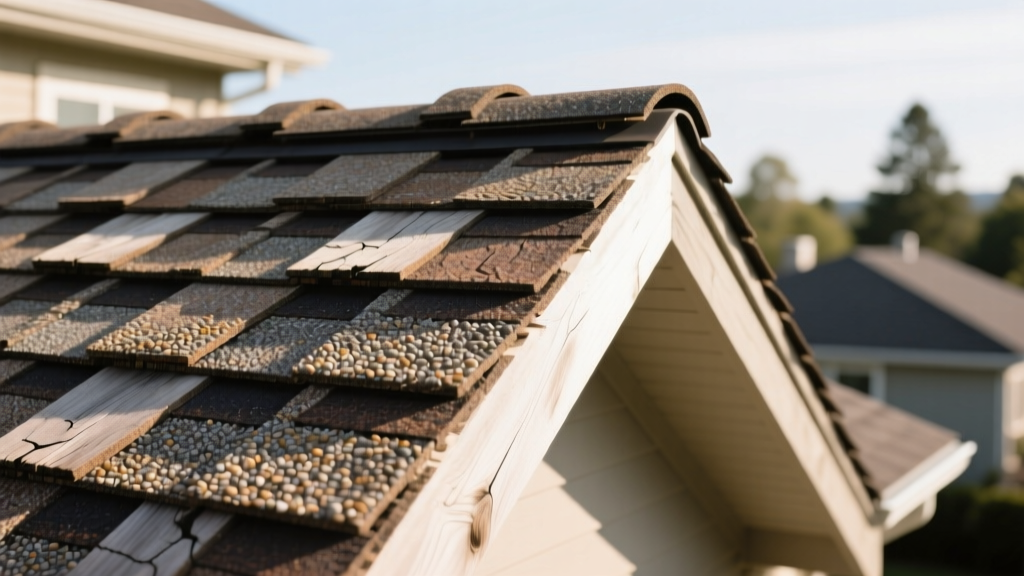
Composition vs. Alternative Roofing Systems
While composition dominates the market, comparing it to alternative materials clarifies its specific use cases:
- Standing Seam Metal: Lasts 50-70 years and sheds snow effortlessly, but costs 2.5 to 3 times more than architectural composition ($12-$18 per sq. ft. installed). Composition is preferred where budget constraints or complex roof geometries (multiple valleys and dormers) make metal flashing prohibitively expensive.
- Concrete/Clay Tile: Offers superior longevity (50+ years) and thermal mass, but weighs up to 1,000 lbs per square. Homes not originally engineered for tile require $5,000-$15,000 in structural truss reinforcement, making luxury composition shingles a highly cost-effective visual substitute.
- Natural Slate: The ultimate benchmark for longevity (100+ years), but costs $25-$40 per sq. ft. installed and requires specialized slate hook installation. Composition designer shingles provide 80% of the aesthetic benefit at 25% of the cost.
Installation Variables That Dictate Total Cost
Understanding what composition roofing material is requires looking beyond the shingles themselves. The underlying assembly dictates whether the roof lasts 15 years or 40 years. When evaluating contractor bids, ensure the following components are specified:
Many low-ball bids utilize traditional #15 asphalt-saturated felt underlayment. Felt absorbs moisture, wrinkles when exposed to rain during installation, and degrades rapidly under high heat. Always specify synthetic underlayment (e.g., Owens Corning ProArmor or GAF FeltBuster), which costs roughly $25-$35 more per square but provides superior tear resistance and slip safety for installers.
Ice and Water Shield: Building codes require this self-adhering rubberized membrane (such as Grace Ice & Water Shield) in valleys, around penetrations, and along the eaves in climates prone to ice damming. Upgrading to a full-deck application of synthetic underlayment combined with ice shield at the eaves adds $1,500 to $2,500 to an average 2,000 sq. ft. roof but prevents catastrophic interior water damage.
Ventilation Intake/Exhaust: Composition shingles bake from the top down via solar radiation. Without a balanced intake (soffit) and exhaust (ridge vent) system, attic temperatures can exceed 150°F, literally cooking the asphalt coating from underneath and voiding the manufacturer's warranty. Ridge vents (like GAF Cobra SnowCountry) cost approximately $4 to $6 per linear foot installed.
Climate-Specific Selection Framework
Selecting the correct composition material requires matching the product's engineering to your regional weather stressors. The Insurance Institute for Business & Home Safety (IBHS) provides rigorous testing standards that inform these choices:
Verifying Contractor Compliance and Warranties
The National Roofing Contractors Association (NRCA) emphasizes that manufacturer warranties are entirely void if installation deviates from printed specifications. To protect your investment, require the contractor to provide a 'System Warranty' rather than just a 'Material Warranty'. A material warranty only covers manufacturing defects (like premature granule loss), whereas a system warranty (such as the GAF Golden Pledge or Owens Corning Platinum Protection) covers 100% of material and labor costs for tear-off and disposal if an installation error causes a leak. These enhanced warranties require the contractor to be factory-certified and mandate an independent third-party inspection of the finished roof, including the verification of fastener placement and underlayment overlaps.
Written by
Elena RodriguezElena Rodriguez is a civil engineer and technical writer specializing in concrete technology, masonry systems, and ASTM/ACI compliance. She earned her B.S. in Civil Engineering from Texas A&M University and spent a decade at a materials testing laboratory, performing over 2,000 concrete compressive strength tests and masonry prism evaluations. Elena is an ACI-certified Field Testing Technician (Grade I) and a member of ASTM Committee C12 on Natural Building Stone. She currently consults on forensic engineering cases involving concrete failures and moisture intrusion. Based in San Antonio, TX, Elena is a proud member of the Society of Women Engineers (SWE) and coaches her daughter's FIRST Robotics team.
More from Elena Rodriguez
View all
Walls & Panels
Cost Analysis: Light Gauge Steel Framing Advantages and Disadvantages
Evaluate light gauge steel framing advantages and disadvantages through a strict cost analysis lens, comparing material, labor, and lifecycle expenses.
Aug 4, 2026

Walls & Panels
Gypsum Board Types: Exact Specifications, Thickness & Dimensions
Compare standard, Type X, and moisture-resistant gypsum board types. Get exact specifications, thicknesses, dimensions, and ASTM standards for your project.
Aug 4, 2026

Fire Resistance
Best Fire-Resistant Outdoor Decking Materials: 2026 Buyer Guide
Discover the best fire-resistant outdoor decking materials for 2026. Compare Class A PVC, aluminum, and hardwood options for WUI compliance and safety.
Aug 4, 2026