Fire and Ice Roofing Material Comparison: Steel vs Synthetic
Compare top fire and ice roofing material options for 2026. We analyze stone-coated steel, synthetic slate, and modified asphalt for WUI and ice dam resistance.
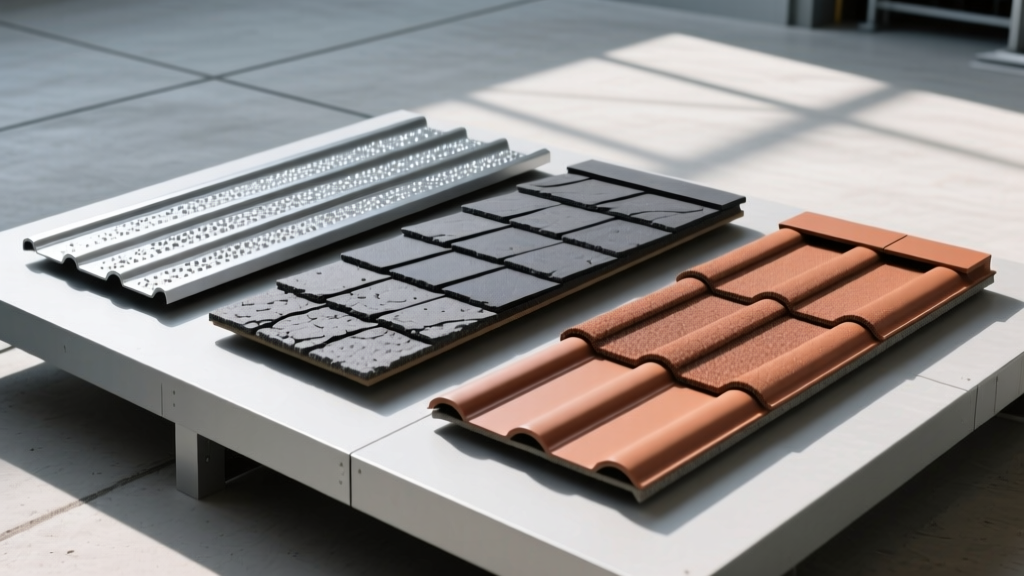
The Dual-Threat Climate: Why Fire and Ice Demands Specialized Engineering
For architects and builders operating in regions like the Sierra Nevada, the Colorado Rockies, or the high-altitude zones of Northern California, specifying a roof is an exercise in managing extremes. These structures face a brutal paradox: summer brings severe Wildland-Urban Interface (WUI) wildfire threats, while winter delivers heavy snow loads and destructive ice dams. Finding the right fire and ice roofing material is no longer about basic weather resistance; it requires a system engineered to repel wind-blown embers while simultaneously managing thermal conductivity and freeze-thaw cycles.
In this comparison review, we evaluate the top three roofing systems capable of surviving both the blowtorch and the blizzard, breaking down their material science, installation nuances, and 2026 market pricing.
1. Stone-Coated Steel: The Heavyweight Champion
Stone-coated steel (such as DECRA Shake XD or Gerard Roofing) represents the most robust physical barrier against both threats. The core is a Galvalume steel substrate (zinc-aluminum alloy) coated with acrylic-bonded natural stone granules.
Fire Performance
The non-combustible steel core inherently achieves a Class A fire rating. More importantly, the interlocking panel design creates a continuous, gapless surface that prevents wind-blown embers from penetrating the roof deck. According to the Insurance Institute for Business & Home Safety (IBHS), metal roofs with sealed interlocks are among the top performers in WUI ember exposure tests.
Ice and Winter Performance
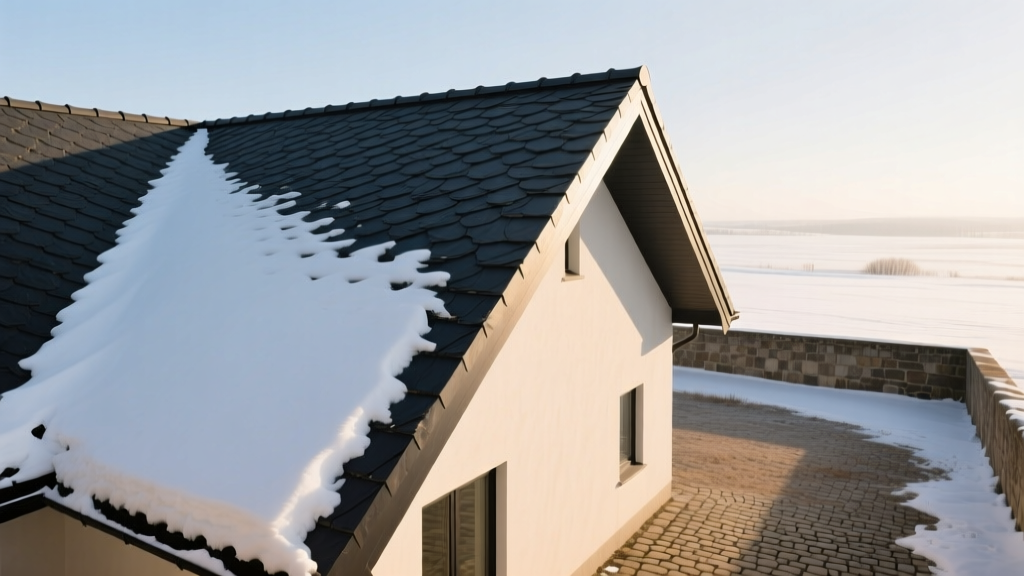
Steel has high thermal conductivity. When the sun hits a steel roof in winter, it rapidly transfers heat to the snow layer, causing it to slide off. While this prevents the structural overload of heavy snow, it creates a severe avalanche hazard and can exacerbate ice damming at the unheated eaves if snow guards are not installed.
- Crucial Installation Detail: You must specify pad-style snow guards (not pipe-style) distributed in a staggered pattern across the lower third of the roof to hold snow in place, allowing it to melt and drain safely through the interlocking channels.
- Failure Mode: If installed over an unvented attic with poor insulation, the rapid snowmelt will hit the freezing eaves, creating massive ice dams that force water backward under the interlocks.
2. Polymer Synthetic Slate: The Premium Insulator
Synthetic slate, manufactured from engineered polymers and recycled rubber/plastics (e.g., DaVinci Roofscapes Bellaforte or EcoStar), mimics the profile of heavy slate without the structural weight penalty.
Fire Performance
High-end synthetic slates achieve Class A ratings through the integration of proprietary fire-retardant chemical compounds during the extrusion process. Unlike natural wood shakes, they do not dry out or splinter, eliminating the fuel source for embers. However, builders must ensure the specific brand is tested with a fire-rated underlayment, as the polymer itself can melt under direct, sustained flame impingement.
Ice and Winter Performance
Polymers are exceptional thermal insulators. They do not transfer heat rapidly, meaning snow melts slowly and evenly based on ambient air temperature rather than roof-surface heat transfer. Furthermore, premium synthetics carry a UL 2218 Class 4 impact rating, making them virtually immune to the severe hail that often accompanies high-altitude winter storms. They remain completely flexible down to -40°F, eliminating the micro-cracking seen in standard materials during freeze-thaw cycles.
3. SBS Modified Asphalt: The Budget-Conscious Hybrid
Standard architectural asphalt shingles become brittle in sub-zero temperatures and offer mediocre fire resistance. SBS (Styrene-Butadiene-Styrene) modified asphalt shingles, like Malarkey Legacy, introduce a rubberized polymer network into the asphalt matrix.
Fire and Ice Synergy
The SBS modification allows the shingle to remain pliable at temperatures as low as -30°F, preventing the brittle fractures that allow winter moisture intrusion. When paired with a heavy-weight fiberglass mat and ceramic-coated granules, they achieve a Class A fire rating. While they lack the ember-proof interlocking mechanism of steel, their heavy sealant strips provide excellent wind and ember resistance when properly adhered.
Head-to-Head Comparison Matrix
| Feature | Stone-Coated Steel | Synthetic Slate | SBS Modified Asphalt |
|---|---|---|---|
| Fire Rating (ASTM E108) | Class A (Inherent) | Class A (Chemical) | Class A (Mat/Granule) |
| Impact Rating (UL 2218) | Class 4 | Class 4 | Class 3 or 4 |
| Thermal Conductivity | High (Promotes snow shed) | Low (Slow, even melt) | Moderate |
| Cold Flexibility | Unaffected | Flexible to -40°F | Flexible to -30°F |
| 2026 Installed Cost (per sq. ft.) | $14.50 - $19.00 | $16.00 - $24.00 | $7.50 - $11.00 |
The Hidden Hero: Fire-Rated Ice and Water Shield
No discussion of a fire and ice roofing material is complete without addressing the underlayment. The roof covering handles the fire; the underlayment handles the ice. Ice dams occur when heat escaping from the attic melts snow on the upper roof, which then runs down to the cold eaves and refreezes, forcing water backward up the roof slope.
'In WUI zones, builders face a critical conflict: standard self-adhered ice and water shields are highly effective at stopping ice dam leaks, but many are asphalt-based and combustible, violating strict ember-intrusion codes if exposed at the eaves.'
The 2026 Solution: Specify a dual-purpose underlayment system. Use a non-combustible, fire-rated underlayment (such as FireShield or similar fiberglass-faced membranes) across the entire roof deck to meet NFPA wildfire guidelines. At the eaves, valleys, and penetrations, install a high-temperature, self-adhered ice and water shield (e.g., Grace Ice & Water Shield HT) over the fire-rated base layer, ensuring it is completely covered by the primary roofing material and metal drip edge to prevent direct ember exposure.
Cost, ROI, and Insurance Implications
While the upfront capital expenditure for stone-coated steel or synthetic slate is significantly higher than SBS asphalt, the 2026 insurance landscape drastically alters the ROI calculation. Homes built to the IBHS Wildfire Prepared Home standard—which mandates Class A roofs, sealed eaves, and specific underlayments—are increasingly qualifying for 15% to 30% reductions in homeowners insurance premiums in high-risk states.
Furthermore, the FEMA Building Science publications consistently highlight that mitigating ice dam water intrusion prevents tens of thousands of dollars in interior rot and mold remediation. When factoring in the 50-year lifespan of steel or synthetic slate compared to the 15-to-20-year lifespan of asphalt in extreme freeze-thaw climates, the lifecycle cost of premium fire and ice materials is demonstrably lower.
Final Verdict: Which System Should You Specify?
If the project demands maximum structural durability, heavy snow load management, and absolute ember resistance, stone-coated steel is the undisputed leader, provided snow guards are engineered into the design. If the architectural vision requires a traditional slate or shake aesthetic without sacrificing impact resistance or thermal insulation, polymer synthetic slate offers the best balance of beauty and extreme-weather physics. Reserve SBS modified asphalt for projects with strict immediate budget constraints, ensuring you over-invest in the ice and water shield underlayment to compensate for the material's shorter lifecycle.
Written by
Elena RodriguezElena Rodriguez is a civil engineer and technical writer specializing in concrete technology, masonry systems, and ASTM/ACI compliance. She earned her B.S. in Civil Engineering from Texas A&M University and spent a decade at a materials testing laboratory, performing over 2,000 concrete compressive strength tests and masonry prism evaluations. Elena is an ACI-certified Field Testing Technician (Grade I) and a member of ASTM Committee C12 on Natural Building Stone. She currently consults on forensic engineering cases involving concrete failures and moisture intrusion. Based in San Antonio, TX, Elena is a proud member of the Society of Women Engineers (SWE) and coaches her daughter's FIRST Robotics team.
More from Elena Rodriguez
View all
Walls & Panels
Cost Analysis: Light Gauge Steel Framing Advantages and Disadvantages
Evaluate light gauge steel framing advantages and disadvantages through a strict cost analysis lens, comparing material, labor, and lifecycle expenses.
Aug 4, 2026

Walls & Panels
Gypsum Board Types: Exact Specifications, Thickness & Dimensions
Compare standard, Type X, and moisture-resistant gypsum board types. Get exact specifications, thicknesses, dimensions, and ASTM standards for your project.
Aug 4, 2026

Fire Resistance
Best Fire-Resistant Outdoor Decking Materials: 2026 Buyer Guide
Discover the best fire-resistant outdoor decking materials for 2026. Compare Class A PVC, aluminum, and hardwood options for WUI compliance and safety.
Aug 4, 2026