Is Oxford Material Waterproof? The Ultimate Fabric Selection Guide
Discover if Oxford material is waterproof. Compare 210D to 1680D deniers, PU vs PVC coatings, and hydrostatic head ratings to choose the right fabric.

The Short Answer: Is Oxford Material Waterproof?
In its raw, uncoated state, Oxford material is not waterproof. Oxford cloth is a basketweave textile—typically made from nylon or polyester—characterized by its distinctive crosshatch pattern. While the tight weave provides excellent structural integrity and wind resistance, water will easily pass through the microscopic gaps between the yarns.
However, Oxford fabric becomes highly water-resistant or fully waterproof when treated with specialized chemical coatings or laminates. When evaluating Oxford material for tarps, tents, awnings, or outdoor gear, the waterproofing capability is dictated by two critical factors: the Denier (D) rating of the base yarn and the type of waterproof coating applied to the back of the fabric.
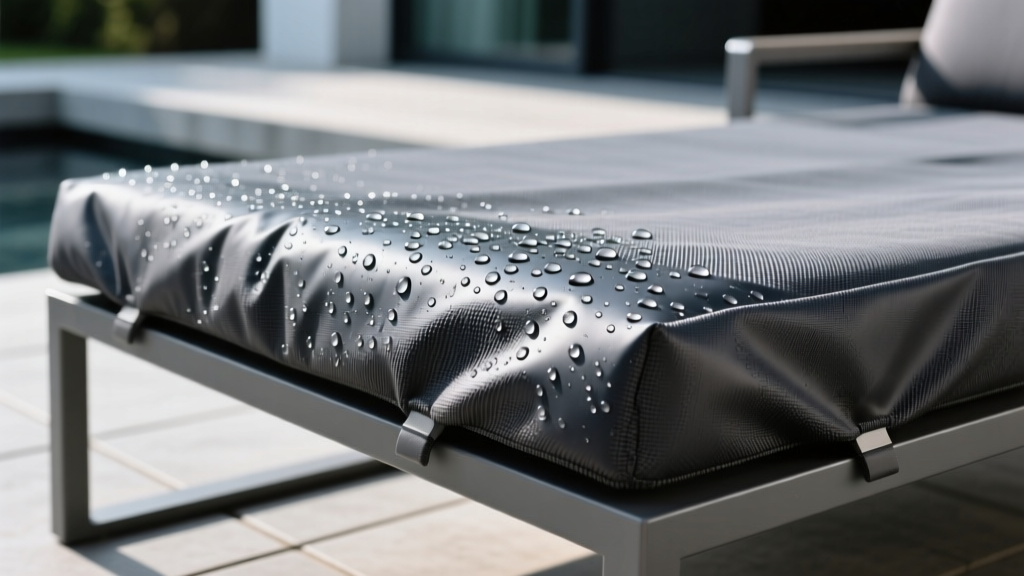
The Anatomy of Oxford Fabric: Understanding Denier (D)
Denier is a unit of measurement that determines the linear mass density of fibers. Specifically, it measures the weight in grams of 9,000 meters of the yarn. A higher Denier number indicates a thicker, heavier, and more abrasion-resistant yarn.
- 210D Oxford: Lightweight and highly packable. Used for tent footprints, lightweight rainflies, and basic luggage linings. Requires a high-quality coating to achieve reliable waterproofing due to the finer weave.
- 420D Oxford: The mid-weight standard. Commonly used for backpacks, duffel bags, and mid-grade outdoor furniture covers. Offers a balanced ratio of weight to tear strength.
- 600D Oxford: Heavy-duty and highly abrasion-resistant. The industry standard for premium truck tarps, heavy-duty tent floors, motorcycle covers, and tactical gear.
- 1680D Oxford: Extreme-duty. Originally developed for military body armor, this massive yarn is used for industrial applications, heavy machinery covers, and high-stress luggage. It is exceptionally stiff and heavy.
Coatings That Make Oxford Waterproof
The base fabric provides the skeleton, but the coating provides the shield. Manufacturers apply different polymers to the back of the Oxford weave to block water penetration. Below is a comparison matrix of the most common waterproofing treatments used on Oxford fabrics.
| Coating Type | Hydrostatic Head (HH) Range | Weight & Packability | UV & Abrasion Resistance | Best Application |
|---|---|---|---|---|
| Polyurethane (PU) | 1,500mm – 3,000mm | Lightweight, flexible, highly packable | Moderate UV resistance; prone to hydrolysis over time | Tent rainflies, lightweight tarps, outdoor apparel |
| Polyvinyl Chloride (PVC) | 3,000mm – 10,000mm+ | Heavy, stiff, poor packability | Excellent UV and chemical resistance; highly durable | Truck tarps, industrial covers, permanent awnings |
| Silicone (Silnylon) | 1,000mm – 2,000mm | Ultralight, very slick, highly packable | Superior UV resistance; does not degrade via hydrolysis | Ultralight backpacking tents, high-end rainflies |
| DWR (Durable Water Repellent) | N/A (Surface treatment only) | Adds zero weight or stiffness | Wears off quickly with friction and washing | Face-fabric treatment to prevent "wetting out" |
Hydrostatic Head (HH) Ratings Explained
To quantify exactly how waterproof an Oxford fabric is, the textile industry relies on the Hydrostatic Head (HH) test, standardized under ISO 811. The test measures how many millimeters of water pressure a fabric can withstand before a single drop penetrates the membrane.
According to REI's expert guidelines on waterproof ratings, you should select your Oxford material based on the following HH thresholds:
- 1,000mm – 1,500mm: Water-resistant. Suitable for light drizzle, short commutes, and basic dust/moisture covers. Will leak under the pressure of a kneeling person or heavy downpours.
- 1,500mm – 3,000mm: Waterproof for most conditions. The standard for 3-season tent rainflies and premium patio furniture covers. Can withstand moderate to heavy rain.
- 3,000mm – 5,000mm: Highly waterproof. Required for tent floors (to resist the pressure of body weight) and heavy-duty truck tarps exposed to driving rain and pooling water.
- 5,000mm+: Extreme waterproofing. Used for marine covers, industrial machinery wraps, and expedition-grade gear where absolute failure is not an option.
Selection Guide: Matching Oxford Specs to Your Project
Choosing the right Oxford material requires balancing waterproofing, weight, and cost. Use this decision framework to specify the exact material for your application.
Scenario 1: Patio Furniture and Grill Covers
Recommendation: 600D Oxford with a PU coating (2,000mm HH) and a DWR face finish.
Why: 600D provides the necessary abrasion resistance against wind-blown debris and UV exposure, while the PU coating offers sufficient waterproofing for vertical water runoff. The DWR face prevents the fabric from absorbing surface water, which reduces mold growth and freezing damage in winter.
Scenario 2: Flatbed Truck Tarps and Lumber Covers
Recommendation: 1680D or heavy 1000D Oxford with a PVC coating (5,000mm+ HH).
Why: PVC coatings completely fill the weave gaps and create a thick, impermeable barrier. While heavy and difficult to fold in cold weather, PVC-coated Oxford resists the extreme friction of shifting cargo and the high hydrostatic pressure of water pooling on flat surfaces.
Scenario 3: Tent Footprints and Groundsheets
Recommendation: 210D or 420D Oxford with a high-density PU coating (3,000mm HH).
Why: Groundsheets require high hydrostatic head ratings because the weight of the occupants creates immense localized pressure on the fabric against wet soil. A 3,000mm PU coating prevents groundwater from being forced through the weave, while the lower Denier keeps the footprint lightweight enough for backpacking.
The Seam Taping Imperative
A critical failure point in waterproof Oxford products is the stitching. When a manufacturer sews panels of 600D Oxford together, the sewing needle punctures thousands of microscopic holes through the waterproof coating. If these seams are not sealed, the fabric's HH rating is rendered irrelevant.
For guaranteed waterproofing, specify products that utilize thermally welded seams (common in PVC-coated Oxford) or factory-taped seams (common in PU-coated Oxford). If you are manufacturing or repairing your own gear, you must apply a liquid seam sealer (like Seam Grip) or heat-activated PU seam tape to the interior of all stitched joints.
Maintenance and Re-waterproofing Oxford Gear
Even the highest-grade PU-coated Oxford will eventually degrade. Polyurethane is susceptible to hydrolysis—a chemical breakdown caused by prolonged exposure to moisture and humidity, resulting in a sticky, flaking coating. To maximize the lifespan of your Oxford materials:
- Clean gently: Never machine wash coated Oxford fabrics. The agitation and detergents will strip the DWR and damage the PU layer. Hand wash with a specialized cleaner like Nikwax Tech Wash.
- Reapply DWR: When water stops beading on the face of the fabric, apply a spray-on or wash-in DWR treatment to restore surface tension.
- Store dry: Never store PU-coated Oxford tarps or tents while damp. Always air-dry completely in the shade before packing to prevent hydrolysis and mildew.
Frequently Asked Questions
Can I iron Oxford fabric to remove wrinkles?
No. Most Oxford fabrics are made from nylon or polyester, and the waterproof coatings (especially PU and PVC) will melt, stick to the iron, and release toxic fumes at high temperatures. Use a low-heat steamer from a distance if necessary.
Is Oxford fabric breathable?
No. Once a waterproof coating like PU or PVC is applied to the basketweave, the fabric becomes entirely non-breathable. It should not be used for applications requiring moisture vapor transmission, such as active-wear apparel or insulated building wraps.
Written by
Marcus ChenMarcus Chen is a licensed structural engineer (PE) and building materials analyst with over 12 years of experience across residential, commercial, and industrial construction. He holds a Master of Science in Civil Engineering from UC Berkeley and spent six years at Thornton Tomasetti before transitioning to independent consulting and technical writing. Marcus specializes in material selection for seismic-prone regions, concrete reinforcement strategies, and lifecycle cost analysis. His work has been cited by the American Concrete Institute (ACI) and the Structural Engineers Association of California (SEAOC). When he is not on a job site or at his desk, you will find him hiking the Sierra Nevada or restoring a 1920s craftsman bungalow in Oakland, CA.
More from Marcus Chen
View all
Construction Cost
How Much Did the Eiffel Tower Cost to Build?
How much did the Eiffel Tower cost to build in 1889? We adjust for inflation and compare its budget to modern skyscraper construction.
Aug 4, 2026

Fire Resistance
What Is a Fire Resistant Material? Testing & Certification Guide
Discover what is a fire resistant material through ASTM and UL testing. Learn how fire ratings, certifications, and assemblies work in construction.
Aug 4, 2026

Construction Cost
How Much Did the Burj Khalifa Cost to Build?
How much did the Burj Khalifa cost to build? We break down the $1.5B project and extract 5 money-saving strategies for your next build.
Jul 30, 2026