Top Waterproof Outdoor Cushion Materials Reviewed for 2026
We review the best waterproof outdoor cushion materials for 2026, comparing PVC-coated polyester, PU-acrylics, and marine vinyl for durability and cost.

The 'Waterproof' vs. 'Water-Resistant' Trap
Selecting the right waterproof outdoor cushion material requires looking past marketing terms. Most fabrics labeled for outdoor use are merely water-resistant, relying on a Durable Water Repellent (DWR) surface coating that causes water to bead up. While this sheds light rain, prolonged exposure or hydrostatic pressure (like someone sitting on a damp cushion) will force moisture through the weave, saturating the foam core and triggering mold growth.
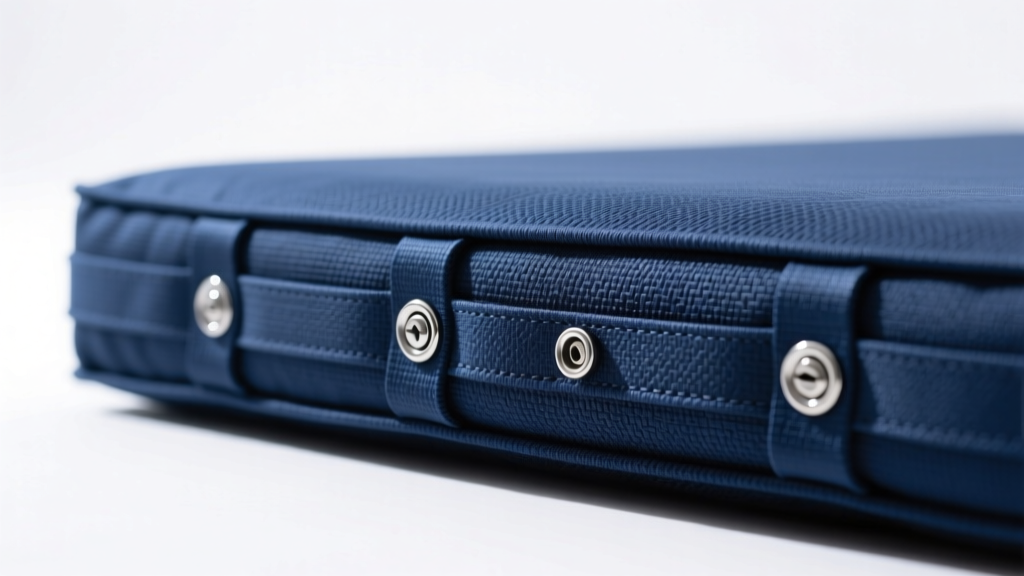
Top 3 Waterproof Outdoor Cushion Materials Reviewed
Based on 2026 market availability, textile durability testing, and long-term UV exposure data, here is a review of the three most effective material categories for outdoor cushion fabrication.
1. PVC-Coated Polyester (e.g., Stamoid Marine)
PVC-coated polyester is the heavy-duty standard for marine environments and high-moisture patio setups. The base polyester scrim provides tensile strength, while the polyvinyl chloride (PVC) coating creates an impenetrable moisture barrier. Stamoid Marine remains the benchmark product in this category.
- Hydrostatic Head: >10,000mm (Fully waterproof)
- Cost (2026): $24 to $32 per linear yard
- Pros: Zero water penetration, highly resistant to salt spray, easy to wipe clean with mild soap, exceptional abrasion resistance.
- Cons: Zero breathability. If moisture gets trapped inside the cushion cover during manufacturing or through a zipper gap, it cannot escape, leading to internal mildew. It also has a stiffer, more 'plastic' hand-feel compared to acrylics.
- Best Application: Boat seating, uncovered dock furniture, and commercial hospitality seating that requires rapid wipe-downs.
2. PU-Coated Solution-Dyed Acrylic (e.g., Sunbrella Marine Grade)
Standard solution-dyed acrylic is water-resistant, but the 'Marine Grade' variant features a specialized polyurethane (PU) undercoating that elevates it to waterproof status. The solution-dyed fibers ensure the color penetrates the core of the yarn, preventing UV fading.
- Hydrostatic Head: 1,000mm to 1,500mm
- Cost (2026): $48 to $65 per linear yard
- Pros: Soft, fabric-like drape and feel; excellent breathability compared to PVC; industry-leading UV warranties (often 5+ years against fading).
- Cons: The PU coating can degrade over time in high-heat, high-humidity environments (a process called hydrolysis). Heavy, driving rain can eventually penetrate the needle holes at the seams if not properly taped.
- Best Application: High-end residential patio furniture, covered lanais, and cushions where a soft, premium textile feel is prioritized.
3. Acrylic-Polyester Urethane Blends (e.g., Haartz Top Gun 1S)
Top Gun 1S utilizes a woven acrylic-polyester blend with a urethane coating applied to only one side (the back). This engineered approach provides a waterproof barrier while allowing the uncoated face to maintain a natural, matte fabric aesthetic.
- Hydrostatic Head: 1,500mm+
- Cost (2026): $32 to $40 per linear yard
- Pros: Excellent balance of softness and waterproofing; the single-side coating reduces the risk of delamination and allows for better heat dissipation than double-coated PVC.
- Cons: Requires careful handling during fabrication to avoid scratching the uncoated face; slightly heavier than pure acrylics.
- Best Application: Custom RV awnings, high-end outdoor dining chairs, and automotive convertible tops adapted for outdoor furniture.
Head-to-Head Performance Matrix
| Material Type | Hydrostatic Head | Breathability | UV Resistance | Avg. Cost/Yard |
|---|---|---|---|---|
| PVC-Coated Polyester | >10,000mm | None | Excellent | $24 - $32 |
| PU-Coated Acrylic | 1,000 - 1,500mm | Moderate | Superior | $48 - $65 |
| Acrylic-Poly Urethane | 1,500mm+ | Low | Excellent | $32 - $40 |
The Hidden Failure Point: Seam Construction
The most advanced waterproof outdoor cushion material will fail immediately if the seams are not engineered correctly. Every time a sewing machine needle pierces a coated fabric, it creates a permanent capillary channel for water to enter the foam core. To achieve true waterproofing, fabricators must employ one of two seam-sealing methodologies:
Method A: PTFE Seam Tape and Hot Air Welding
For PVC and heavy PU-coated materials, applying a 3/8-inch PTFE (Polytetrafluoroethylene) or PU seam tape over the interior stitch line is mandatory. Using a hot air welding tool set to approximately 350°F (175°C), the tape is melted into the needle holes, creating a monolithic waterproof seal. This is the standard for marine canvas fabricators.
Method B: Liquid Urethane Sealants
For DIYers or lighter acrylic-PU blends where hot air welding might scorch the face fabric, a liquid urethane sealant (such as Gear Aid Seam Grip FC) is applied to the interior seam allowance. While effective, liquid sealants require a 24-hour curing period and must be reapplied every 3 to 4 years as the urethane oxidizes and flakes.
Real-World Degradation: Hydrolysis and Delamination
Understanding how waterproof coatings fail is critical for long-term maintenance. The primary enemy of PU-coated acrylics and urethane blends is hydrolysis. This is a chemical reaction where water molecules in high-humidity environments break the ester bonds in the polyurethane coating, causing it to become sticky, peel, and ultimately delaminate from the base fabric.
To prevent hydrolysis, never store PU-coated outdoor cushions in airtight plastic bins during the winter. The trapped ambient moisture will accelerate the chemical breakdown. Instead, store them in breathable canvas bags in a climate-controlled, low-humidity environment. For detailed guidance on preventing moisture buildup, refer to the University of Minnesota Extension guidelines on mold and mildew prevention.
Conversely, PVC-coated materials do not suffer from hydrolysis but are susceptible to 'plasticizer migration.' Over time, UV exposure and heat cause the chemical plasticizers that keep the PVC flexible to leach to the surface, leaving the fabric brittle and prone to cracking at the fold lines. Regular cleaning with specialized marine vinyl cleaners helps recondition the surface and extend the material's lifespan. The EPA provides comprehensive protocols for safely cleaning and remediating mold if moisture does breach the cushion barrier.
Frequently Asked Questions
Can I spray a standard outdoor fabric to make it truly waterproof?
No. Aftermarket DWR sprays (like silicone or fluorocarbon-based water repellents) only increase surface tension to promote water beading. They do not fill the interstitial gaps between the yarns. Under the pressure of a person sitting down, water will easily push through the sprayed fabric. True waterproofing requires a continuous film coating (PVC or PU) applied during the manufacturing process.
What is the best foam to use inside a waterproof cushion cover?
Even with waterproof fabric and sealed seams, condensation can form inside the cover due to temperature fluctuations. Always pair waterproof covers with reticulated (open-cell) polyurethane foam or closed-cell EVA foam. Reticulated foam allows air and incidental moisture to pass through and drain rapidly, preventing the stagnant, damp environment that breeds mildew. For complete fabric care and maintenance of premium acrylics, consult the official Sunbrella cleaning guidelines.
How do I clean PVC-coated cushion materials without damaging the coating?
Never use abrasive brushes, bleach, or solvent-based cleaners on PVC-coated polyester. These will strip the UV inhibitors and scratch the topcoat, creating micro-fissures where dirt and mold spores embed. Use a soft microfiber cloth with a solution of warm water and a mild, non-detergent soap (like Ivory or a dedicated marine vinyl cleaner), rinsing thoroughly with fresh water to prevent salt or mineral buildup.
Written by
Elena RodriguezElena Rodriguez is a civil engineer and technical writer specializing in concrete technology, masonry systems, and ASTM/ACI compliance. She earned her B.S. in Civil Engineering from Texas A&M University and spent a decade at a materials testing laboratory, performing over 2,000 concrete compressive strength tests and masonry prism evaluations. Elena is an ACI-certified Field Testing Technician (Grade I) and a member of ASTM Committee C12 on Natural Building Stone. She currently consults on forensic engineering cases involving concrete failures and moisture intrusion. Based in San Antonio, TX, Elena is a proud member of the Society of Women Engineers (SWE) and coaches her daughter's FIRST Robotics team.
More from Elena Rodriguez
View all
Walls & Panels
Cost Analysis: Light Gauge Steel Framing Advantages and Disadvantages
Evaluate light gauge steel framing advantages and disadvantages through a strict cost analysis lens, comparing material, labor, and lifecycle expenses.
Aug 4, 2026

Walls & Panels
Gypsum Board Types: Exact Specifications, Thickness & Dimensions
Compare standard, Type X, and moisture-resistant gypsum board types. Get exact specifications, thicknesses, dimensions, and ASTM standards for your project.
Aug 4, 2026

Fire Resistance
Best Fire-Resistant Outdoor Decking Materials: 2026 Buyer Guide
Discover the best fire-resistant outdoor decking materials for 2026. Compare Class A PVC, aluminum, and hardwood options for WUI compliance and safety.
Aug 4, 2026