Sourcing Surplus Building Materials in Houston Texas: 2026 Trends
Explore 2026 industry trends for sourcing surplus building materials in Houston Texas, including pricing, salvage yards, and LEED compliance.

The Shift in Houston's Surplus Material Market
The market for surplus building materials in Houston, Texas, has undergone a radical transformation over the last 24 months. Historically dominated by localized salvage yards picking through residential teardowns in the Heights or Montrose, the 2026 landscape is now driven by massive commercial liquidations in the Energy Corridor and supply-chain overstock dumps from regional distributors near the Port of Houston. For general contractors, developers, and specialized renovators, understanding how to navigate this surplus ecosystem is no longer just about finding a bargain—it is a strategic necessity for maintaining margins in an era of fluctuating commodity prices.
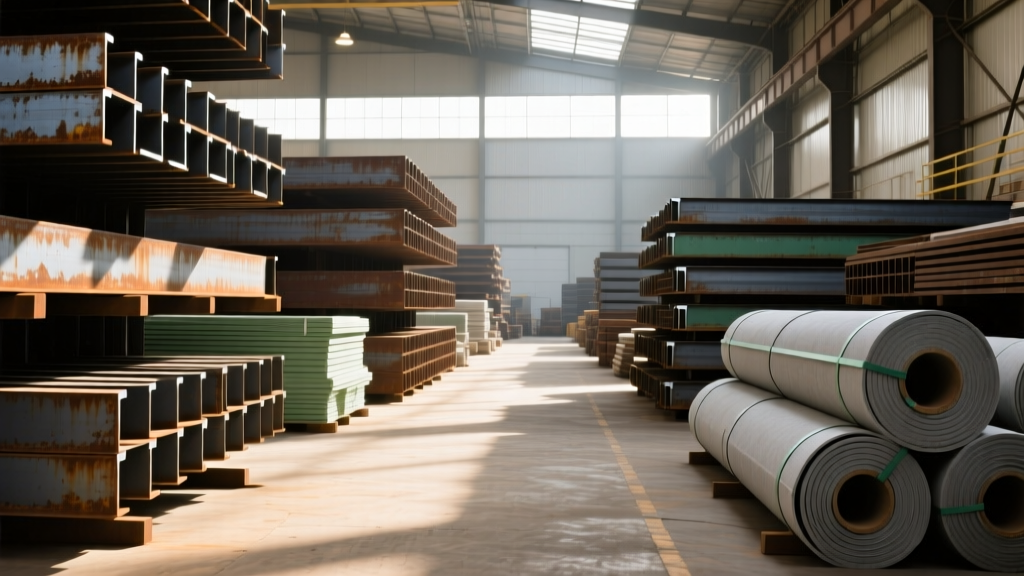
Houston's unique position as a petrochemical and logistics hub means that industrial surplus—including heavy structural steel, specialized piping, and high-grade chemical-resistant coatings—frequently floods the local market. Concurrently, the normalization of global shipping routes has left local lumber yards and roofing distributors sitting on excess inventory from the 2023-2024 purchasing spikes, resulting in unprecedented 'new-surplus' availability.
Key Market Drivers for 2026
- Commercial Teardowns: Accelerated demolition of 1980s-era office parks along I-10 and Beltway 8 is releasing thousands of tons of reusable structural steel and architectural glass.
- Distributor Overstock: Regional suppliers are liquidating pallets of James Hardie fiber cement siding and Owens Corning architectural shingles to free up warehouse space for next-generation smart-building materials.
- Sustainability Mandates: Updated municipal guidelines and LEED v5 requirements are incentivizing the procurement of reclaimed and surplus materials to lower embodied carbon footprints.
Inventory Breakdown: What is Actually in Surplus?
Finding the right material requires knowing where the excess is originating. The table below outlines the most common surplus building materials currently moving through the Houston market, their typical sources, and the realistic discount ranges you can negotiate in 2026.
| Material Category | Primary Houston Source | Avg. Discount vs. Retail | Procurement Lead Time |
|---|---|---|---|
| ASTM A992 Structural Steel (W-Shapes) | Energy Corridor Commercial Demolitions | 45% - 60% | 2 - 4 Weeks |
| Fiber Cement Siding (Unopened Pallets) | Clear Lake & Katy Distributor Liquidations | 30% - 50% | Immediate |
| Type X Fire-Rated Gypsum Board | Midtown Multi-Family Project Cancellations | 20% - 35% | 1 Week |
| Reclaimed Longleaf Pine Flooring | East End Industrial Warehouse Conversions | 10% - 25% (Premium Item) | 4 - 8 Weeks |
| HVAC Rooftop Units (RTUs) | Medical Center Facility Upgrades | 50% - 70% | 1 - 2 Weeks |
The Rise of 'New-Surplus' vs. Reclaimed
Contractors must distinguish between 'reclaimed' (used and salvaged) and 'new-surplus' (never installed, but excess from a closed project or over-ordered by a distributor). In Houston's humid climate, new-surplus drywall and insulation must be inspected for moisture intrusion. If a pallet of Type X gypsum has been sitting in an unclimate-controlled warehouse in Pasadena for eight months, the paper facing may harbor mold spores, rendering it useless for interior build-outs despite being technically 'new'.
Digital Liquidation vs. Traditional Surplus Yards
The traditional model of driving a flatbed truck down South Loop or navigating the muddy lots of East Houston salvage yards is being rapidly supplemented by digital B2B liquidation platforms. While physical yards remain essential for inspecting reclaimed timber and architectural salvage, bulk commodity surplus is increasingly moving online.
'The most significant shift we are seeing in the Texas market is the digitization of surplus. General contractors are now using automated scraping tools to monitor distributor liquidation manifests at the Port of Houston, securing container-loads of overstocked PEX piping and commercial lighting fixtures before they ever hit a physical surplus yard floor.'
— Regional Supply Chain Analyst, Texas Construction Logistics Board
For mid-sized residential builders, local physical surplus yards in areas like Spring Branch still offer the best opportunity to buy mixed loads of dimensional lumber (2x4s, 2x6s) and hardware at 40% off Home Depot or Lowe's pricing. However, for commercial tenant improvements, leveraging digital surplus networks allows procurement managers to source exact matches for discontinued Armstrong ceiling tiles or specific runs of Shaw contract carpeting.
Quality Control and ASTM Verification
Procuring surplus building materials in Houston, Texas, carries inherent risks regarding structural integrity and code compliance. The Environmental Protection Agency's guidelines on C&D materials emphasize the necessity of rigorous sorting and testing, but the burden of proof falls on the purchasing contractor.
Critical Testing Protocols for Surplus Materials
- Structural Steel (ASTM A992): Reclaimed W-shapes from commercial teardowns must undergo ultrasonic thickness testing to verify they have not suffered from hidden corrosion or micro-fractures during the demolition process. Always demand the original mill certificates from the surplus broker.
- Reclaimed Lumber Moisture Content: Houston's ambient humidity means reclaimed wood stored outdoors can easily exceed 25% moisture content. Use a pin-type moisture meter; interior framing and flooring materials must read below 19% (ideally 12-15% for HVAC-conditioned spaces) to prevent warping and fungal decay.
- Electrical and Plumbing Fixtures: Surplus commercial lighting and switchgear must be checked against current NEC (National Electrical Code) standards. Surplus breakers from a 2015 teardown may lack the AFCI/GFCI protections mandated in the 2023 and 2026 code cycles.
Sustainability Mandates and LEED v5 Impacts
The integration of surplus materials is no longer just a cost-saving measure; it is a vital component of green building certifications. The Whole Building Design Guide (WBDG) highlights that optimizing the use of reused and recycled materials drastically reduces the embodied carbon of a project. Under LEED v4.1 and the upcoming v5 frameworks, sourcing materials locally (within a 100-mile radius of the Houston project site) that contain post-consumer or pre-consumer recycled content yields significant points toward certification.
By purchasing surplus structural steel from a demolished building in the Galleria area and reusing it in a new warehouse development near Hobby Airport, developers can claim credits for both 'Building Product Disclosure and Optimization - Sourcing of Raw Materials' and 'Construction Waste Management'. This dual-benefit approach makes the slightly higher logistical cost of extracting and testing surplus steel highly competitive against buying virgin steel imported from overseas.
Actionable Sourcing Framework for Houston Contractors
To systematically integrate surplus materials into your 2026 project bids without compromising on scheduling or quality, implement the following procurement framework:
The 4-Step Surplus Integration Protocol
- Designate a Surplus Scout: Assign a dedicated procurement specialist to monitor local Houston liquidation auctions, Port of Houston overstock manifests, and regional salvage yard inventories at least 60 days before the framing or finishing phases begin.
- Specify 'Or-Approved Surplus' in Bids: When submitting architectural plans, explicitly list acceptable surplus equivalents. For example: 'James Hardie Artisan Lap Siding (New or Verified Surplus with intact factory warranty)'.
- Allocate Staging and Inspection Space: Surplus materials often arrive in mixed or damaged packaging. Ensure your job site has a covered, dry staging area to unbundle, inspect, and reorganize materials before installation.
- Factor in Re-conditioning Costs: Reclaimed doors, windows, and architectural millwork will require labor for de-nailing, sanding, and re-sealing. Build a 15% labor buffer into your budget for material prep when utilizing architectural salvage.
Navigating the surplus building materials market in Houston requires a blend of aggressive networking, strict quality control, and an understanding of local supply chain rhythms. By treating surplus not as a fallback option, but as a primary procurement channel, contractors can secure high-grade materials at fractions of the cost while simultaneously meeting the stringent sustainability targets demanded by modern commercial and residential clients. For further reading on sustainable procurement strategies, refer to the U.S. Green Building Council's LEED resource library.
Written by
Elena RodriguezElena Rodriguez is a civil engineer and technical writer specializing in concrete technology, masonry systems, and ASTM/ACI compliance. She earned her B.S. in Civil Engineering from Texas A&M University and spent a decade at a materials testing laboratory, performing over 2,000 concrete compressive strength tests and masonry prism evaluations. Elena is an ACI-certified Field Testing Technician (Grade I) and a member of ASTM Committee C12 on Natural Building Stone. She currently consults on forensic engineering cases involving concrete failures and moisture intrusion. Based in San Antonio, TX, Elena is a proud member of the Society of Women Engineers (SWE) and coaches her daughter's FIRST Robotics team.
More from Elena Rodriguez
View all
Walls & Panels
Cost Analysis: Light Gauge Steel Framing Advantages and Disadvantages
Evaluate light gauge steel framing advantages and disadvantages through a strict cost analysis lens, comparing material, labor, and lifecycle expenses.
Aug 4, 2026

Walls & Panels
Gypsum Board Types: Exact Specifications, Thickness & Dimensions
Compare standard, Type X, and moisture-resistant gypsum board types. Get exact specifications, thicknesses, dimensions, and ASTM standards for your project.
Aug 4, 2026

Fire Resistance
Best Fire-Resistant Outdoor Decking Materials: 2026 Buyer Guide
Discover the best fire-resistant outdoor decking materials for 2026. Compare Class A PVC, aluminum, and hardwood options for WUI compliance and safety.
Aug 4, 2026