What Is the Best Material for Window Frames? Climate & Budget Guide
Discover what is the best material for window frames based on your climate zone, budget, and energy goals. Compare fiberglass, vinyl, aluminum, and wood.
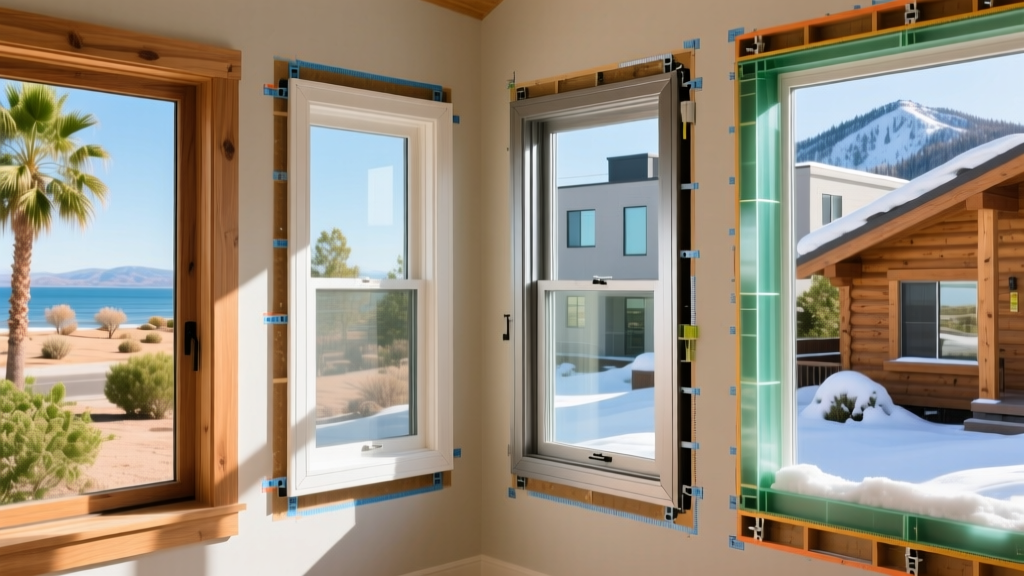
The Short Answer: There Is No Single "Best" Material
Homeowners, architects, and builders frequently ask: what is the best material for window frames? The objective answer is that no single material dominates every category. The ideal choice depends entirely on the intersection of your local IECC climate zone, structural requirements, and budget. A coastal home in Florida requires entirely different physical properties than a passive house in Minnesota. This guide breaks down the exact material science, real-world failure modes, and 2026 installed costs to help you make an engineered decision rather than a cosmetic one.
Material Deep-Dive: Performance, Physics, and Failure Modes
Fiberglass: The Premium All-Rounder
Pultruded fiberglass is widely considered the highest-performing residential window frame material on the market. The manufacturing process pulls glass fibers through a resin bath, creating a composite with immense tensile strength.
- Best For: Extreme temperature swings, large-format architectural glass, and dark exterior colors (black/bronze) that absorb high heat.
- Common Failure Mode: UV degradation on poorly painted finishes. Ensure the manufacturer uses a high-performance fluoropolymer or automotive-grade paint.
- Top Tier Models: Marvin Ultimate, Pella Impervia, Inline Fiberglass.
Vinyl (uPVC): The Budget Champion
Unplasticized Polyvinyl Chloride (uPVC) dominates the mid-market due to its low cost and inherent thermal resistance. Modern vinyl frames use multi-chamber extrusions that trap dead air, providing excellent insulation without the need for thermal breaks. However, not all vinyl is created equal; look for profiles with high impact modifiers (acrylics) to prevent shattering in freezing temperatures.
- Best For: Budget-conscious projects, moderate climates, and standard-sized openings.
- Common Failure Mode: Thermal bowing. Vinyl has a high CTE (up to 50 x 10⁻⁶ /°C). If you order dark-colored vinyl windows for a south-facing elevation, the frames can reach 160°F+ in direct summer sun, causing the material to warp and the sashes to bind. Always demand steel or aluminum reinforcement inserts for dark uPVC frames.
- Top Tier Models: Andersen 100 Series (Fibrex composite), Simonton ProFinish.
Aluminum: The Coastal & Commercial Standard
Bare aluminum is a thermal nightmare, conducting heat and cold rapidly. However, thermally broken aluminum frames utilize a polyamide strut between the interior and exterior metal, severing the thermal bridge. Aluminum remains the undisputed king for hurricane zones and commercial applications due to its structural rigidity and ability to hold massive Design Pressure (DP) ratings.
- Best For: Hurricane-prone regions (DP50+ ratings), mid-century modern aesthetics, and narrow sightlines.
- Common Failure Mode: Condensation and sweating on the interior frame if the thermal break is insufficient or if interior humidity is poorly managed.
Wood & Wood-Clad: The Aesthetic Heritage Choice
Wood offers unmatched natural beauty and excellent inherent insulation. However, solid wood requires relentless maintenance. The modern solution is wood-clad windows: a natural wood interior with an extruded aluminum or vinyl exterior shell. Extruded aluminum cladding is significantly thicker and more dent-resistant than roll-formed cladding.
- Best For: Historic renovations, high-end custom builds, and traditional architecture.
- Common Failure Mode: Water intrusion at the sill. If the exterior cladding weep holes clog with debris, water pools against the internal wood, causing hidden rot that compromises the structural integrity of the frame.
Climate-Specific Selection Matrix
Aligning your material choice with the Department of Energy's climate zones ensures you aren't paying for performance characteristics you don't need, while avoiding catastrophic failures in extreme weather.
| IECC Climate Zone | Primary Threat | Ideal Material | Critical Spec Requirement |
|---|---|---|---|
| Zones 1-3 (Hot/Southern) | Solar Heat Gain, UV | Fiberglass, Thermally Broken Aluminum | Low SHGC (< 0.23), Low-E 366 Glass |
| Zones 4 (Mixed) | Seasonal Swings | Fiberglass, uPVC | Balanced U-Factor (< 0.28) and SHGC |
| Zones 5-8 (Cold/Northern) | Heat Loss, Condensation | Wood-Clad, Fiberglass, Multi-chamber uPVC | Ultra-Low U-Factor (< 0.20), Triple Glazing |
| Coastal / HVHZ | Wind Load, Salt, Debris | Heavy-Gauge Aluminum | Impact Glass, DP50+, AAMA 2605 Finish |
Decoding Energy Ratings: Beyond the Marketing
When evaluating materials, you must verify the performance data via the National Fenestration Rating Council (NFRC) label. Do not rely on manufacturer marketing brochures. Focus on these three metrics:
- U-Factor (Thermal Transmittance): Measures how well the window prevents heat from escaping. Lower is better. For northern climates, demand a whole-unit U-Factor of 0.20 or lower.
- SHGC (Solar Heat Gain Coefficient): Measures how much solar radiation passes through. In hot climates, a low SHGC (0.20 - 0.25) acts as invisible air conditioning. In cold climates, a higher SHGC (0.40+) provides passive winter heating.
- Air Leakage (AL): Measured in cfm/sq ft. While the ENERGY STAR program requires an AL of 0.30 or less, premium fiberglass and wood-clad windows routinely achieve 0.01 to 0.05, drastically reducing drafts and dust infiltration.
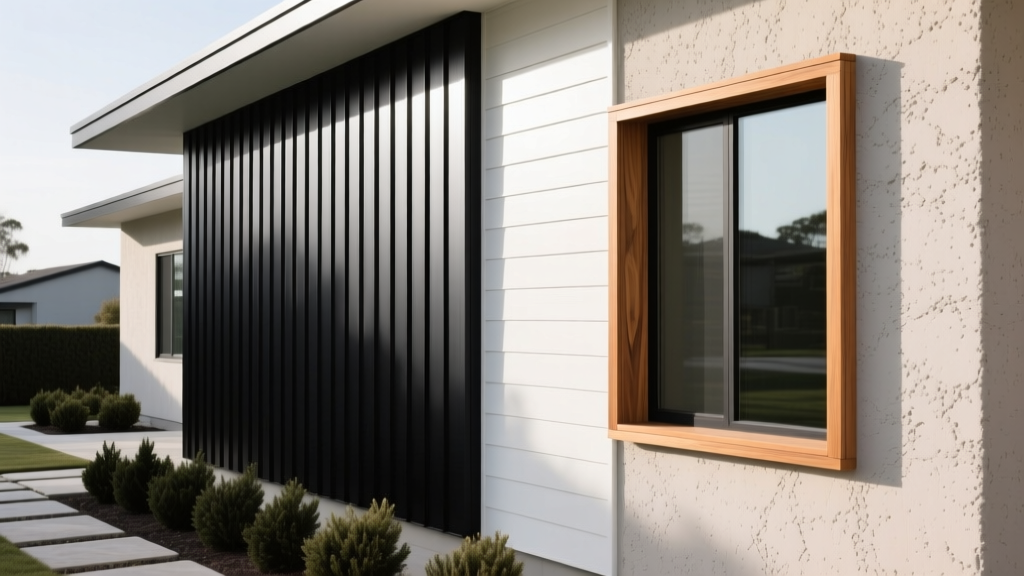
Real-World Cost Breakdown (2026 Installed Estimates)
Pricing fluctuates based on regional labor rates, custom sizing, and glazing upgrades. The following table represents national averages for a standard 36" x 60" double-hung window, fully installed with trim and flashing.
| Frame Material | Material Cost (Per Unit) | Installed Cost (Per Unit) | Expected Lifespan |
|---|---|---|---|
| Vinyl (uPVC) | $250 - $500 | $450 - $850 | 15 - 25 Years |
| Aluminum (Thermal Break) | $400 - $750 | $600 - $1,100 | 20 - 30 Years |
| Fiberglass | $550 - $950 | $800 - $1,400 | 30 - 50 Years |
| Wood-Clad | $800 - $1,600 | $1,200 - $2,800 | 30+ Years (with maintenance) |
Critical Installation Gotchas That Void Warranties
According to the Fenestration and Glazing Industry Alliance (FGIA), the majority of window failures are not material defects, but installation errors. Protect your investment by enforcing these rules on your job site:
- The Foam Trap: Never allow installers to use standard high-expansion spray foam around the window perimeter. High-expansion foam exerts over 300 lbs of outward pressure as it cures, which will bow the window jambs inward and cause the sashes to bind. You must specify low-expansion, low-density polyurethane window foam (typically < 1.5 lbs/ft³ density).
- Shim Placement: Shims must be placed directly behind the structural mullions and hinge points, not randomly spaced. Incorrect shimming transfers the weight of the glass to the frame's weakest points, leading to corner joint fractures over time.
- Flashing Integration: The window flange must be integrated with the weather-resistive barrier (WRB) using proper sill pan flashing and flexible tape. Relying solely on a bead of exterior caulk is a guaranteed path to water intrusion and wall rot within five years.
Final Verdict: Which Should You Choose?
If budget allows, pultruded fiberglass is the most technically sound answer to "what is the best material for window frames" for 80% of residential applications. Its CTE matching with glass ensures the longest IGU seal life, and its structural rigidity allows for larger glass units with slimmer frames. For strict budgets, multi-chamber uPVC remains a highly capable thermal performer, provided you avoid dark colors on sun-drenched elevations. Finally, if you are building on the coast or in a high-velocity hurricane zone, thermally broken aluminum with impact glazing is your only code-compliant, structurally viable option.
Written by
Marcus ChenMarcus Chen is a licensed structural engineer (PE) and building materials analyst with over 12 years of experience across residential, commercial, and industrial construction. He holds a Master of Science in Civil Engineering from UC Berkeley and spent six years at Thornton Tomasetti before transitioning to independent consulting and technical writing. Marcus specializes in material selection for seismic-prone regions, concrete reinforcement strategies, and lifecycle cost analysis. His work has been cited by the American Concrete Institute (ACI) and the Structural Engineers Association of California (SEAOC). When he is not on a job site or at his desk, you will find him hiking the Sierra Nevada or restoring a 1920s craftsman bungalow in Oakland, CA.
More from Marcus Chen
View all
Construction Cost
How Much Did the Eiffel Tower Cost to Build?
How much did the Eiffel Tower cost to build in 1889? We adjust for inflation and compare its budget to modern skyscraper construction.
Aug 4, 2026

Fire Resistance
What Is a Fire Resistant Material? Testing & Certification Guide
Discover what is a fire resistant material through ASTM and UL testing. Learn how fire ratings, certifications, and assemblies work in construction.
Aug 4, 2026

Construction Cost
How Much Did the Burj Khalifa Cost to Build?
How much did the Burj Khalifa cost to build? We break down the $1.5B project and extract 5 money-saving strategies for your next build.
Jul 30, 2026